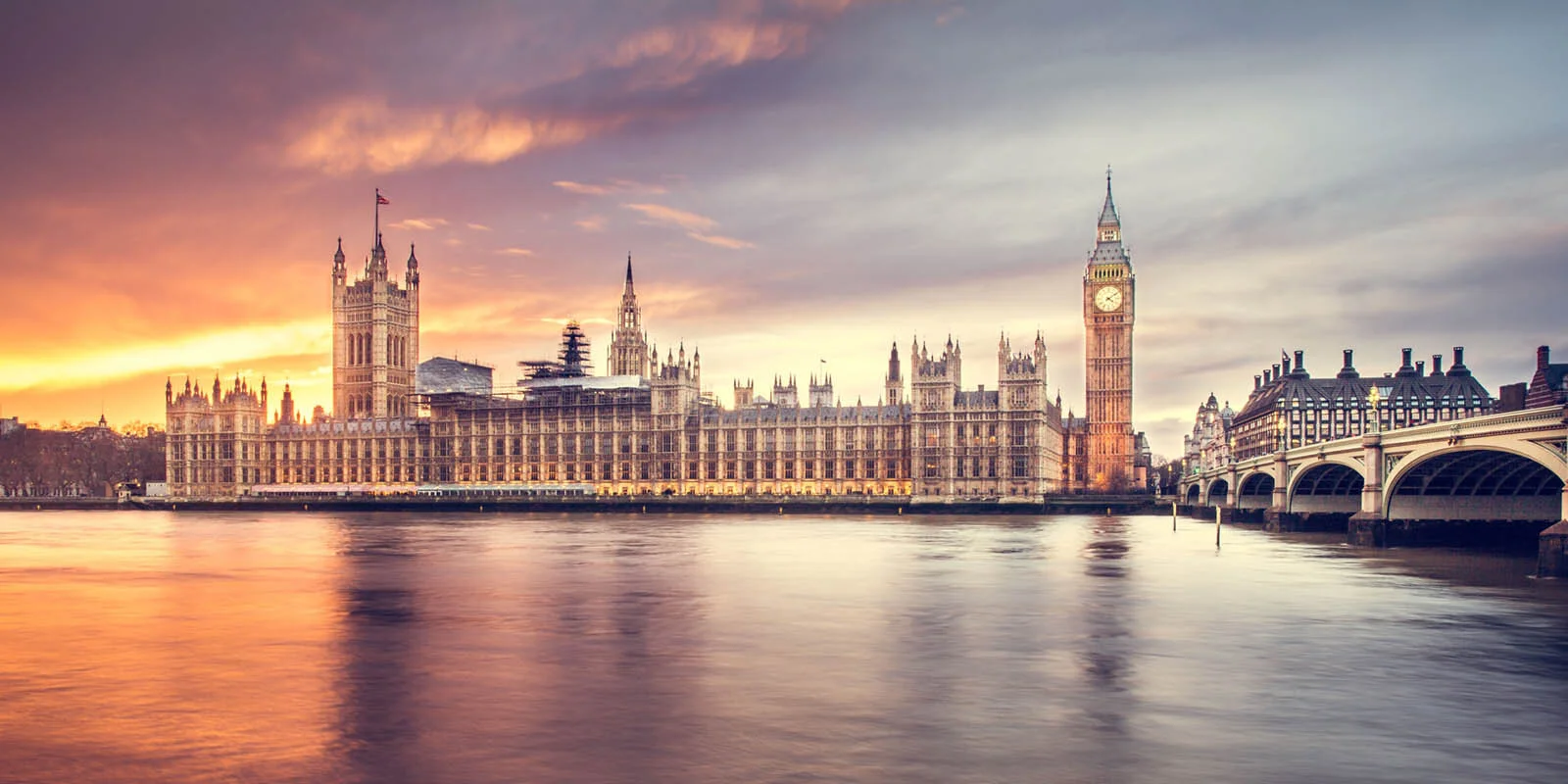
Last week, the U.K. government and the House of Lords each released long reports detailing some of the growing threats that platform monopolies like Facebook, Google, and Amazon pose to individual citizens, businesses, and overall society. Unfortunately, both reports failed to provide a plan to deal effectively with the problem.
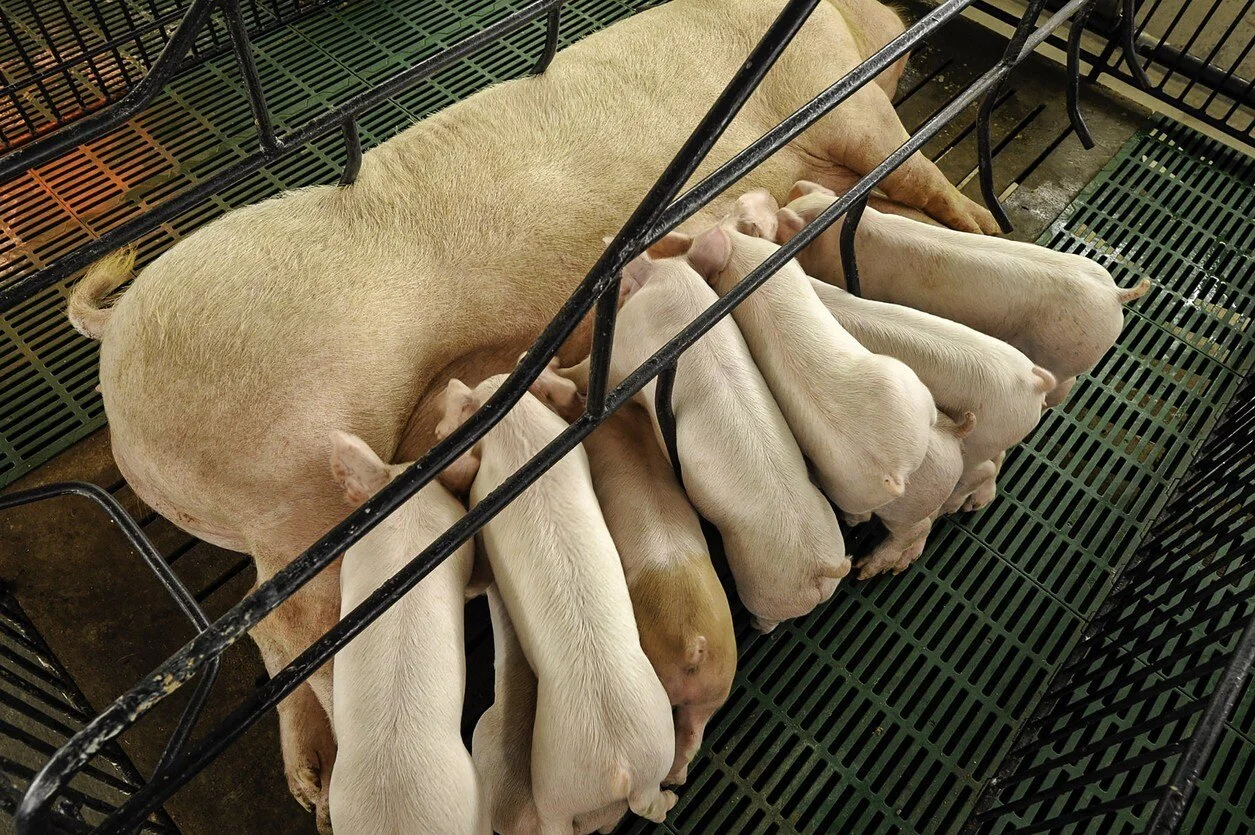
Read MoreMany rural residents – including many farmers – do not want large concentrated animal feeding operations (CAFOs) in their communities, as evinced by a growing number of efforts to halt new CAFOs or sue them for environmental damage. But a newly popular corporate structure for hog production makes it increasingly difficult for residents to even determine who owns a CAFO let alone seek justice through civil suits.
Read MoreLast Tuesday, the U.S. Court of Appeals for the D.C. Circuit upheld the district court’s ruling that allowed AT&T to acquire Time Warner. The three-judge panel found no clear errors with the trial court’s opinion allowing a vertical merger between two corporations at different stages of the video programming supply chain.
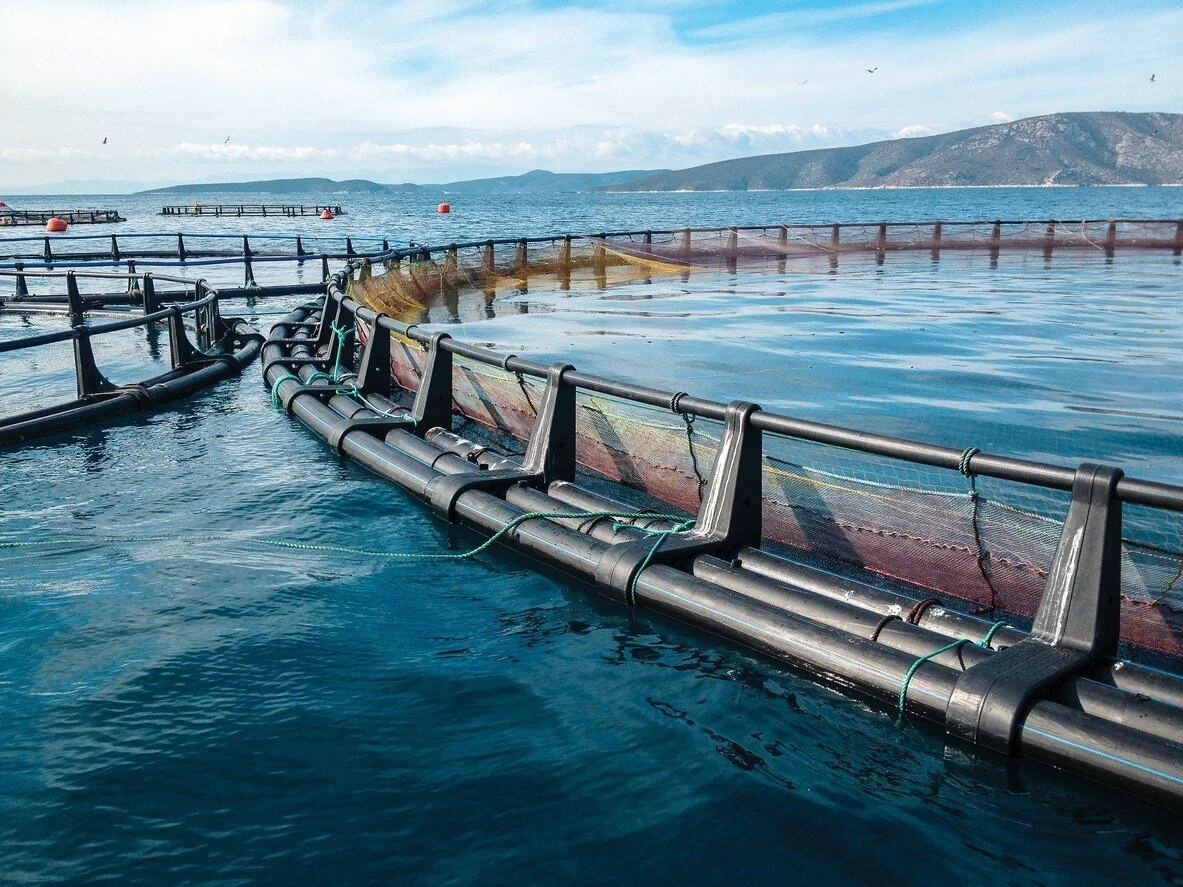
Read MoreThe world is eating more farmed fish, and global grain traders intend to control the fish feeding business much as they control the feeding of other farm animals. In her latest piece, Open Markets' reporter Claire Kelloway looks examines the fastest growing form of food production in the world — aquaculture.
Read MoreAs Open Markets makes clear through our whole body of work, many if not most of the gravest ills in our society today are caused or made worse by monopolization. The way forward is not to put the state in charge, nor to “let the market work.” It is to use the state to engineer competitive markets in every sector of our economy.
Read More