
About
The Open Markets Fair Food & Farming Systems program develops and advocates for policies that promote more resilient and environmentally sustainable food systems for the benefit of farmers, food chain workers, and consumers. The program aims to accomplish these goals by studying and exposing the pervasive corporate power and economic concentration throughout the food system.
Fewer and fewer dominant corporations control nearly every step along the food supply chain, from seeds to processing and grocery stores. Such consolidated power pushes farmers off the land, endangers food workers and suppresses their wages, harms animals and the environment, and sickens eaters. Big Food corporations translate their economic power into political influence to write the rules in their favor, further entrenching an abusive food system that serves no one other than corporate shareholders.
Open Markets believes that market regulation plays a critical role in balancing power in food markets and in leveling the playing field for a greater diversity of food businesses to flourish. The Food & Agriculture program has led the way revealing rigged food markets and corporate abuses through its biweekly Food & Power newsletter. The program has also outlined policy proposals to create fairer food markets, including structural antitrust enforcement, reforms to the Packers & Stockyards Act, bans on predatory pricing and exclusive dealing, and many more.
Publications
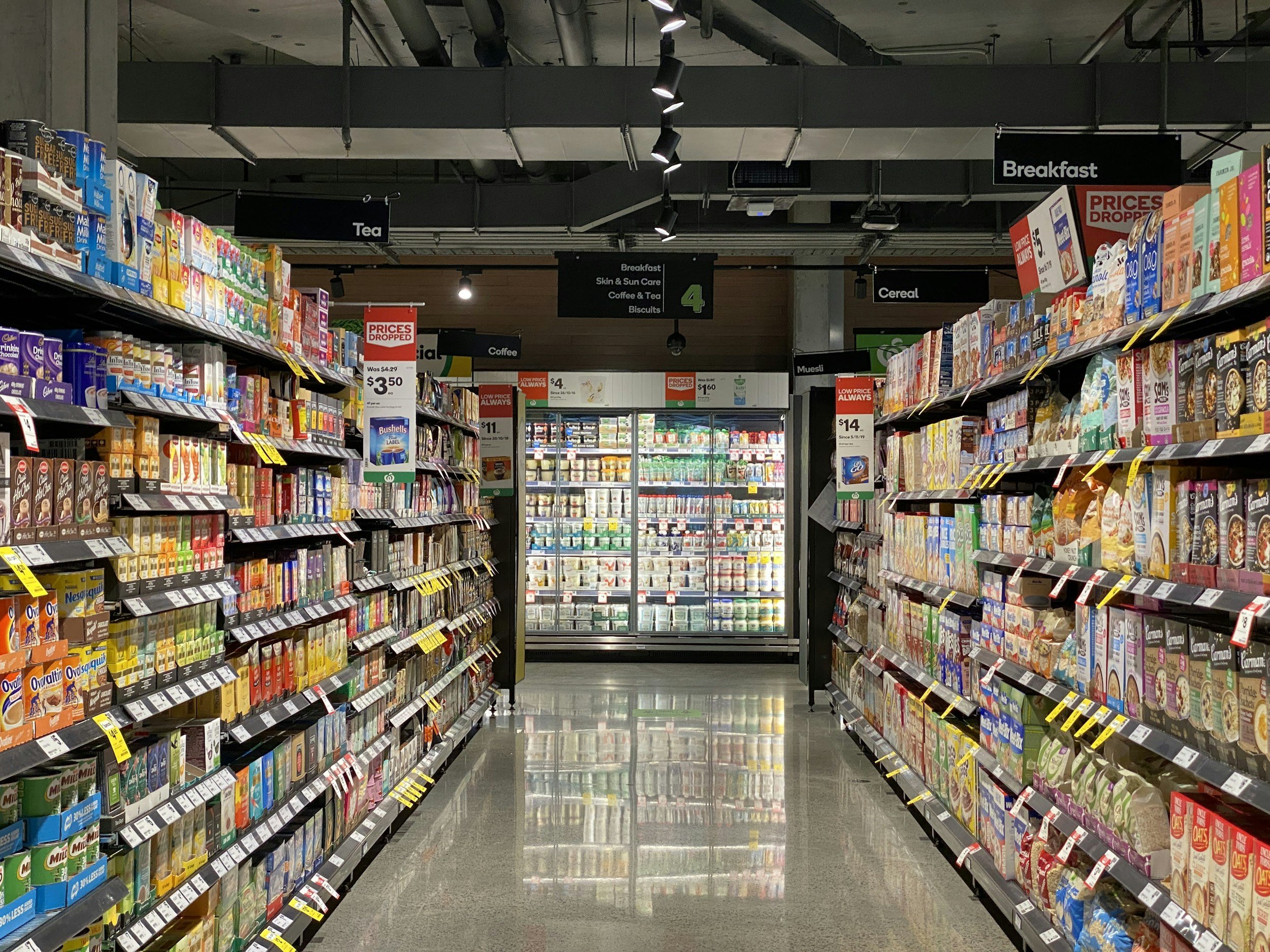
Creating Fair Food Markets for Affordable Groceries, an expert brief by Food Systems manager Claire Kelloway, shares how policymakers at all levels of government can hold food corporations to account and foster fair grocery markets that provide affordable and readily available food for everyone.
Claire Kelloway, food program manager at the Open Markets Institute, highlights how Walmart’s dominance has reshaped grocery competition, making it harder for independent grocers to survive. She argues that stronger enforcement of the Robinson-Patman Act is essential to level the playing field, pointing to the FTC’s ongoing case against Southern Glazer’s as a sign of progress.
The Open Markets Institute filed an amicus brief in the Supreme Court, urging the Court to address Merck’s alleged misrepresentations to the Food and Drug Administration to extend its monopoly in the mumps vaccine market.
Food systems program manager Claire Kelloway contributes to the debate that rural economic decline is not inevitable but the result of policy failures—particularly weakened antitrust enforcement—and calls for state-level action to restore competition through right-to-repair laws, fair grocery pricing, and stronger healthcare merger reviews.
In this issue, we celebrate OMI’s own Claire Kelloway for receiving a James Beard Award for her reporting and examine how a case against two pharmacy benefit managers in Michigan could have implications for the industry nationwide.
The Open Markets Institute proudly celebrates Food Program Manager Claire Kelloway who was awarded a James Beard Foundation Media Award for her incisive reporting for the Food & Environment Reporting Network in their “Farm Bill Fight” series published in Mother Jones.
In this issue, we celebrate OMI’s own Claire Kelloway for being named a finalist for a James Beard Award, explore how the Trump administration is helping Elon Musk’s Starlink to cement a monopoly on space, and welcome recent speeches by the DOJ’s Gail Slater and the FTC’s Mark Meador.
The Open Markets Institute proudly celebrates Food Program Manager Claire Kelloway for being named a finalist in the 2025 James Beard Media Awards.
In this issue, we look at the new antimonopoly caucus in the House, and examine how monopoly and Wall Street power keeps Amtrak off track, denying better train service to Americans across the country.
Food systems program manager Claire Kelloway explores how the recent rise in egg prices is driven not just by factors like bird flu, but also by corporate greedflation and the price of conventional eggs is affected due to both the bird flu and potential corporate collusion manipulating the market.