
Washington Monthly - How to Bring Down Grocery Prices
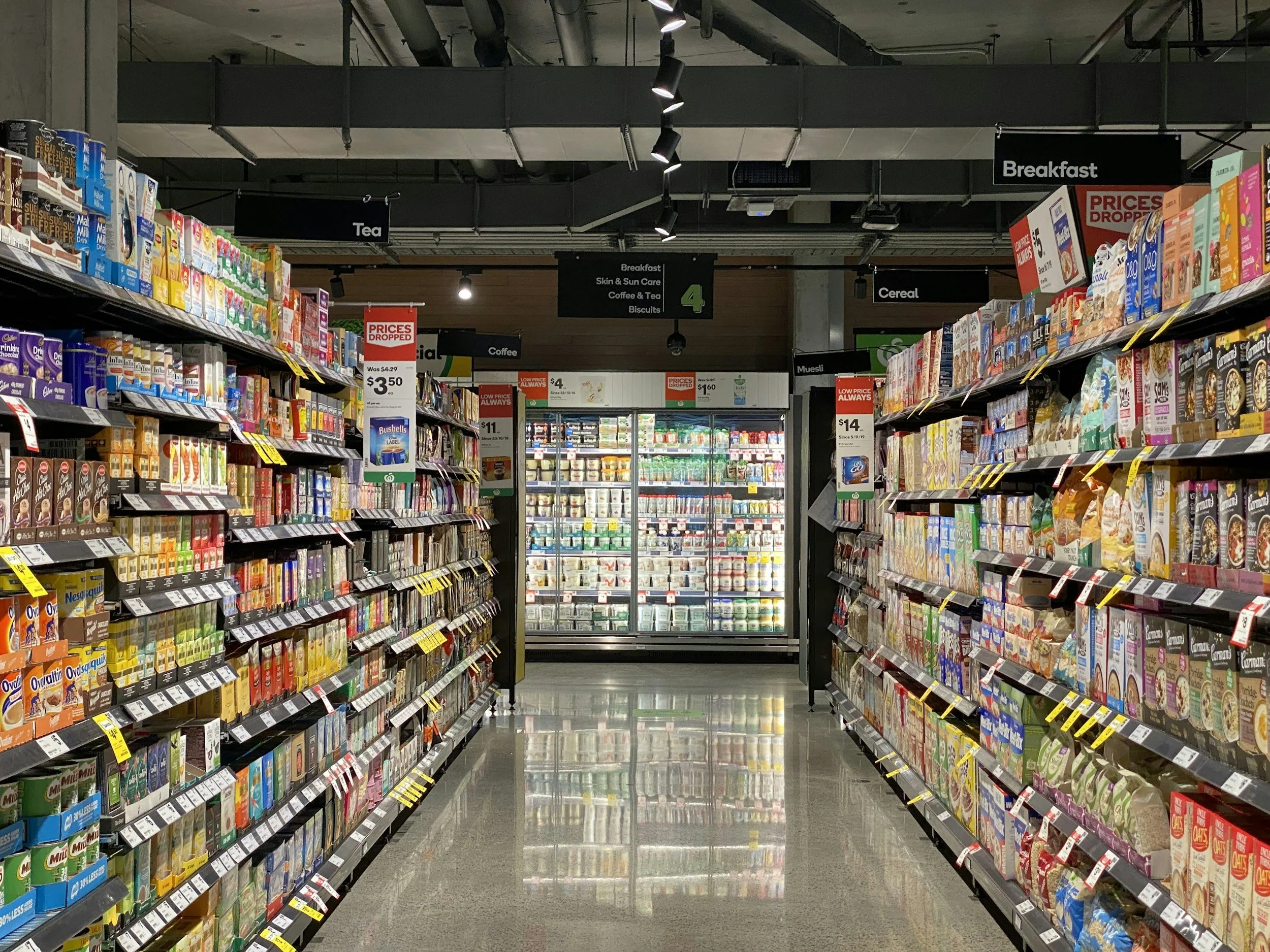
Food program manager Claire Kelloway comparing New York City mayor Zohran Mamdani’s proposed city-run grocery stores to government-run grocery stores for the military.
During his successful campaign to become New York City’s new mayor, Zohran Mamdani promised he would combat rising grocery prices by setting up a city-run grocery store in each of New York’s five boroughs. Critics have slammed the proposal as a socialist fantasy that would only create uncompetitive, Soviet-style stores. They point out, rightly, that other American cities and towns have tried running grocery stores in recent years and their track record is not great. Well-publicized public grocery stores in the small towns of Baldwin, Florida, and Erie, Kansas, closed within five years of the towns taking them over, citing pricing problems and competitive pressure from Dollar General and Walmart.
But if the whole concept of government-run grocery stores is untenable, someone needs to alert the Pentagon, because since 1867, the U.S. military has operated discount grocery stores called commissaries, with great success for active-duty service members, certain veterans, and their families. The Defense Commissary Agency (DeCA) runs 178 stores in the U.S. and 48 stores abroad that stock on average 12,000 items, including name brands and private-label products, on par with a conventional grocery store. Military families love them.
The commissary system provides a real, workable example of how government can address the grocery cost crisis that is bedeviling the country. Indeed, a “public option” for grocery stores, based on the proof of concept provided by the commissary model, could not only vastly improve food access; it could also inject more competition into the broader grocery market and bring down food prices for all Americans in the long term, which is what hard-pressed voters desperately need and say they want in every poll.
Military commissaries have advantages that recent city-run grocery stores lack. The most important are economies of scale and federal negotiating power, which allow DeCA to obtain steep volume discounts and other price concessions from their suppliers, including giant manufacturers and food processors like Procter & Gamble, Tyson Foods, and PepsiCo. All suppliers must certify that they’re offering DeCA the lowest price they can, given the unique costs of supplying some of DeCA’s far-flung locations. In 2016, the agency threatened to take products off the shelves if it found that a supplier offered private retailers better terms, and even demanded suppliers pay back the difference.
Read full article here.