YouTube TV’s Willingness to Block Fox and Disney Underscores Google’s Growing Threat to Democracy
CJL program manager Karina Montoya takes stock of Google’s YouTube TV growth in live TV streaming, and what its clashes with TV programmers mean as Big Tech continues to be an unregulated actor in streaming services.
Netflix’s effort to acquire Warner Bros. Discovery (WBD) has put a spotlight on how streaming giants are driving more consolidation in media and entertainment. But beyond the realization that Netflix has built up real power over the making of films and television, a vastly more powerful corporation has also been concentrating even more control over how we access video content: Google with its live TV streaming platform YouTube TV.
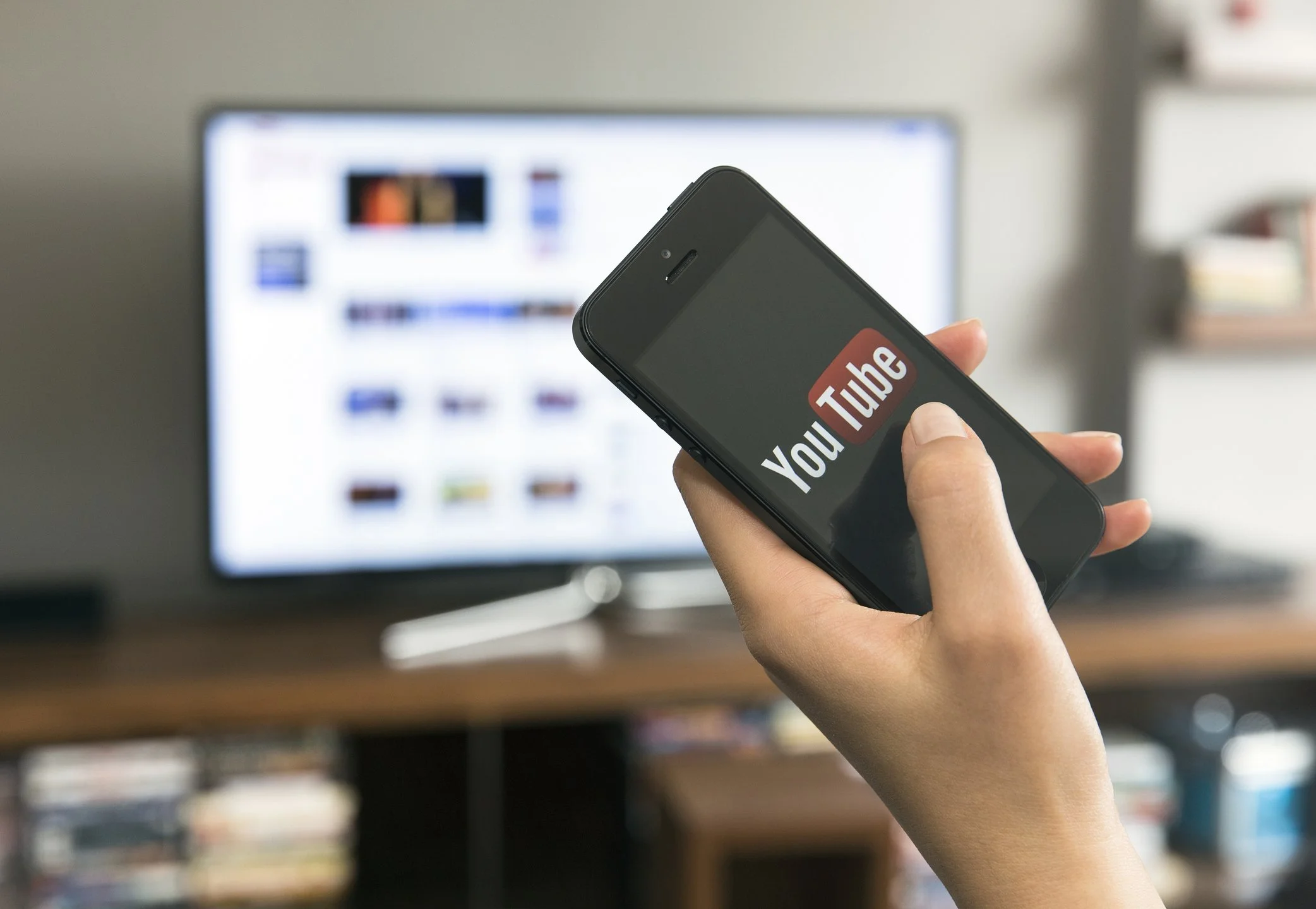
Google launched YouTube TV in 2017 as an internet-based replacement for cable. Just like a cable or satellite provider does, YouTube TV pays fees to carry content made by programmers such as Disney or Fox, although YouTube TV needs only a smart TV plus an internet connection to work. Since 2017, YouTube TV’s subscriber base has grown to 10 million, making it the top live TV streamer in the U.S., and the third-largest provider of linear TV programming.
And Google is increasingly willing to exploit this power. In late 2025, YouTube TV clashed over carriage fees with four of the biggest TV programmers — NBCUniversal, TelevisaUnivision, Fox, and Disney. In two instances, NBCUniversal and Fox, the corporations struck a deal with YouTube after months of tensions, thereby averting a Google threat to black out their channels. In the case of Fox, the deal came after Federal Communications Commission (FCC) Chair Brendan Carr intervened with a tweet.
The dispute between Disney and TelevisaUnivision took a different turn. In the case of Disney, Google stopped carrying ESPN, ABC, FX, and other channels for 15 days in November. Google imposed an even harsher penalty on TelevisaUnivision and it’s Spanish-language shows, cutting them off for almost two months, until a deal was reached in November. The deal came only after President Trump posted on Truth Social that the conflict was “very bad for Republicans.” In both cases, Google gave a few dollars back in credit to subscribers for their “trouble.”
Disputes over TV carriage fees used to be reserved for cable providers negotiating with TV programmers and local broadcasters. But cable companies are required by law to negotiate with media companies, and the process for calculating carriage fees is relatively straightforward. But for Google and other Big Tech corporations operating any type of video streaming service — most notably Amazon — it’s the Wild West. They are not legally obligated to negotiate, and their vast wealth means that any losses due to the embargo of content distribution hurt them less than they hurt the TV programmers.
The standoff with Disney offers a good example of who is most hurt by such cutoffs. Google shutting off Disney’s programming means that YouTube TV customers don’t receive ESPN and ABC, which may somewhat slow the growth of Google’s streaming business. But any losses pale in comparison to Google’s total revenues, which in 2024 hit $350 billion — mostly from selling ads on search and regular YouTube. By contrast, Disney stood to lose over $2 billion in annual affiliate revenue without YouTube TV’s distribution.
“Legacy media companies are used to negotiating [carriage fees] one way,” said Anthony Palomba, expert in media and entertainment industry at University of Virginia Darden School of Business. “But when you have tech companies for whom this [live TV] business is just one of many, they’re not afraid to push back. Meta, Apple, Amazon, Netflix, Google, they all command so much user time and engagement. They are not afraid of anything.”
From one perspective, Google is simply one more powerful player in an already consolidated media market. AT&T’s takeover of Time Warner in 2018 is a prime example of such consolidation, even though AT&T soon decided it had made a mistake and spinning off the WBD that operates independently today.
But it’s vital to keep in mind that YouTube TV is an arm of the most powerful corporation in the information economy. YouTube TV, for instance, was made possible only because Google in 2006 was able to acquire YouTube, which already dominated online video sharing. Since then, Google engineered YouTube into a platform that works in fundamentally different ways than the traditional media corporations. And its growth has benefited from being integrated with two vast monopolies - Google’s search engine and advertising technologies - both of which have since been declared illegal.
If Republicans and Democrats today continue to allow Google to compete unhindered in the streaming wars — without any form of regulation — the result may well pave the way to two other monopolies: over live TV streaming and linear TV distribution overall.
And as the corporation’s recent hardball tactics with Fox, Disney, and NBCUniversal/Comcast shows, Google is more than willing to impose its power not merely on individual users but on some of the most powerful political actors in our society.
This article appeared in The Corner Newsletter of January 13, 2026, now on Substack.