
CJL program manager Karina Montoya takes stock of Google’s YouTube TV growth in live TV streaming, and what its clashes with TV programmers mean as Big Tech continues to be an unregulated actor in streaming services.
Read MoreCJL director Courtney Radsch contends that both the Netflix and Paramount–Skydance bids for Warner Bros. Discovery would deepen media concentration in ways that endanger free speech, audience choice, and democracy by placing cultural storytelling and news under the control of conglomerates willing to bend to political pressure.
Read MoreOpen Markets submitted submitted written testimony to the House Judiciary Subcommittee on the Administrative State, Regulatory Reform, and Antitrust with regard to its January 7th hearing, "Full Stream Ahead: Competition and Consumer Choice in Digital Streaming,” concerning Netflix’s proposal to acquire Warner Bros. Discovery (WBD).
Read MorePolicy director Phil Longman warns that unchecked Big Tech and AI monopolies are rapidly undermining the economic foundations of a free press and urges urgent public support for policy-focused journalism, like the Washington Monthly, as essential to preserving democracy and meaningful freedom of speech.
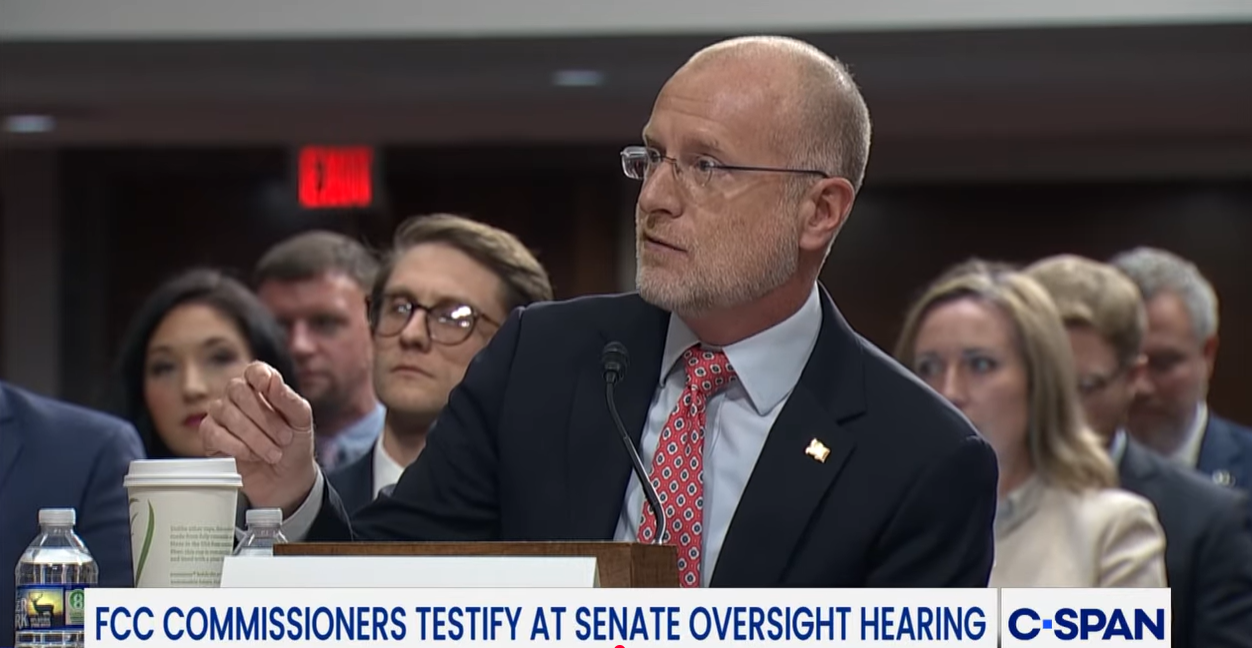
Read More“It is deeply alarming — and overdue — that U.S. senators are finally confronting the serious threat of consolidated media censorship and quid pro quo interference that has unfolded during this administration, including at a Federal Communications Commission that was created to be independent,” said Dr. Courtney Radsch, director of the Center for Journalism and Liberty at Open Markets.
Read MoreReporter Austin Ahlman writes about how the Supreme Court’s likely overturning of Humphrey’s Executor could end agency independence and transform regulators like the FTC into direct instruments of presidential power.
Read MoreWelcome to The Corner. In this issue, we take a look at how Democratic lawmakers are failing to fight President Trump’s willful dismantling of regulatory agency independence. And our report on how electric utilities block affordable and more reliable energy alternatives.
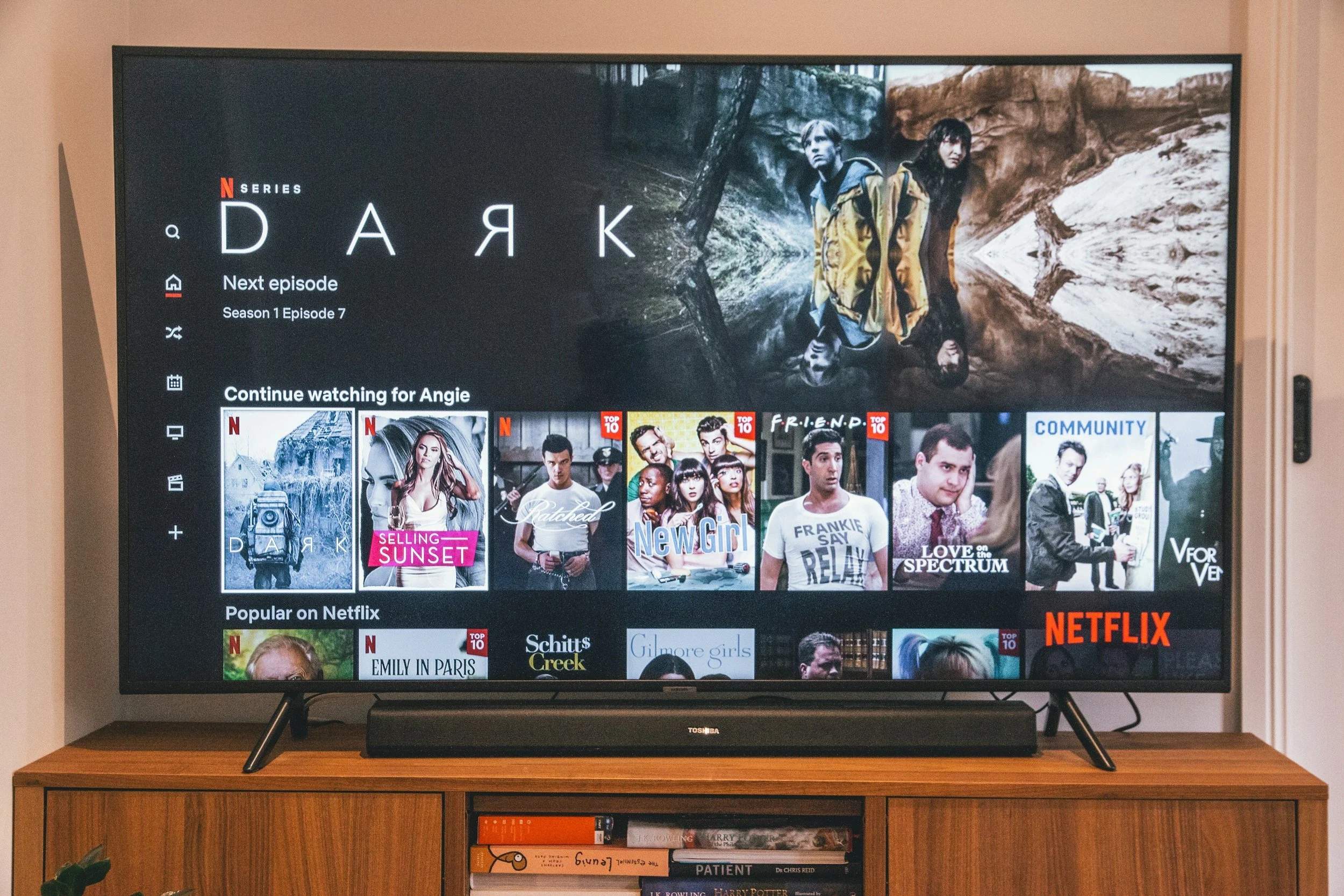
Read MoreNetflix’s bid to swallow Warner Bros. Discovery’s studios and streaming business is a raw deal for viewers, writers, creators, theaters. Karina Montoya weighs in.
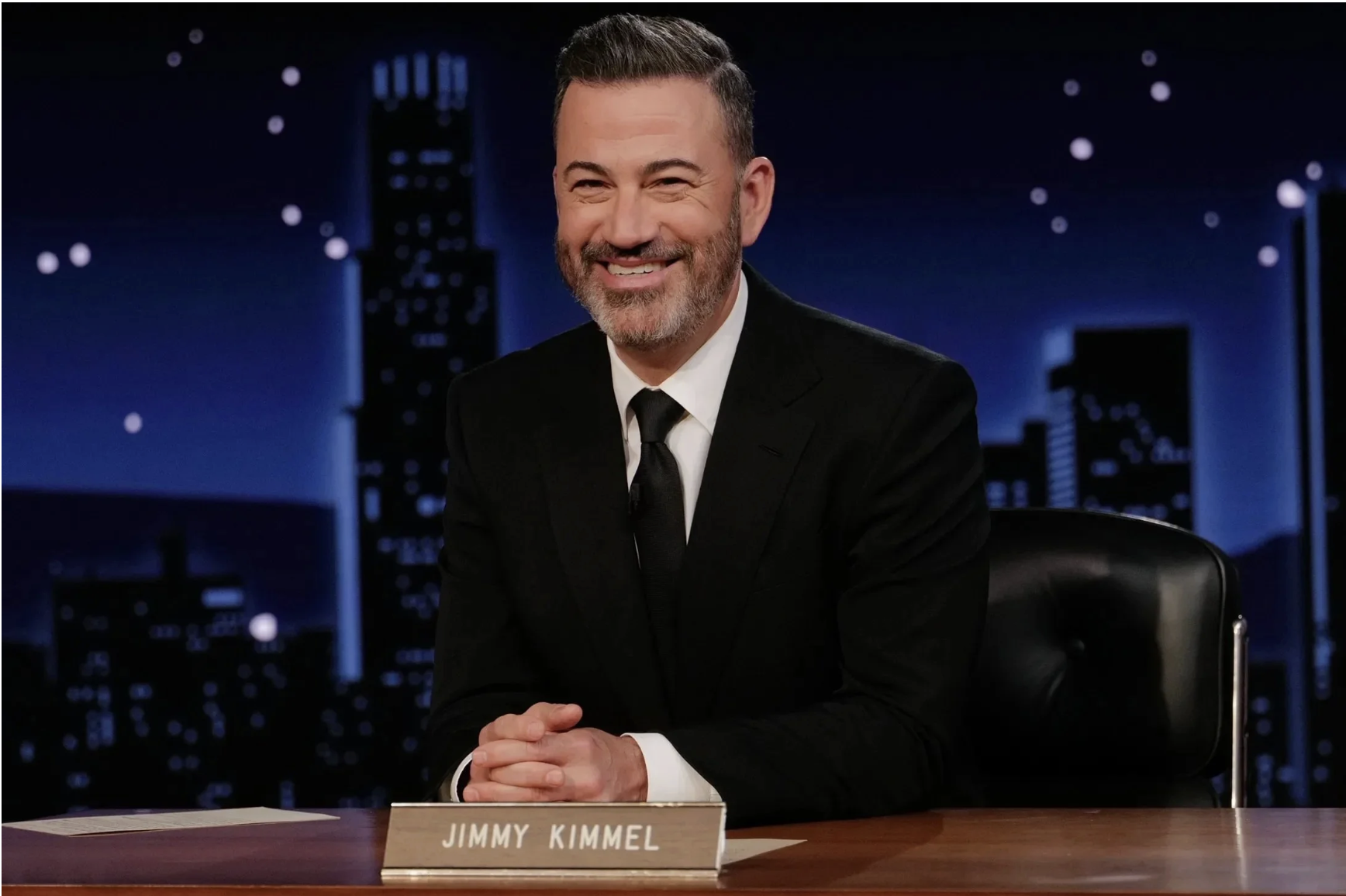
Read MoreTwo months after bending to a White House demand to suspend Jimmy Kimmel Live! from its network, Nexstar Media Group is asking the Trump administration to approve an illegal $6.2 billion merger that would grant it control over TV stations reaching more than half the country. Dr. Courtney Radsch released a statement condemning the merger.
Read MoreCJL Director Dr. Courtney C. Radsch issued a statement regarding a Spanish court ordering Meta to compensate digital media outlets for illegal use of their data, setting important precedent in the EU.
Read MoreIn a statement from Max von Thun, Open Markets condemns Google’s insufficient remedies, proposed in the EU, regarding its conflicts of interests in the adtech stack.
Read MoreReporter Austin Ahlman writes on profiling the Democratic candidates in a competitive race for Nebraska’s Second Congressional District.
Read MoreDr. Courtney C. Radsch, Director of the Center for Journalism & Liberty at Open Markets Institute issued a statement regarding the European Commission’s investigation under the Digital Markets Act (DMA) into anticompetitive conduct by Google, which appears to be using its monopoly control of search and visibility to discriminate against news publishers.
Read MoreCJL director Courtney Radsch argues that amid the failure to regulate its own tech firms, the U.S. must not be allowed to undermine European efforts to regain sovereignty over their information systems and resist domination by Big Tech.
Read MoreSenior reporter Karina Montoya argues that U.S. courts must take strong structural action—not just behavioral fixes—to dismantle Google’s illegal monopoly over digital advertising. She contends that forcing divestitures of Google’s ad exchange (AdX) and ad server (DFP) is both technically feasible and necessary to restore competition, empower publishers, and prevent Google from continuing to manipulate the ad market through its control of key algorithms and data systems.
Read MoreIn this issue, we recap our 2-day Future of Democracy conference in Brussels and analyze the recently concluded remedies trial for Google’s monopoly over digital advertising.
Read MoreCJL director Dr. Courtney Radsch and Europe director Max von Thun author a brief arguing that dominant U.S. platforms such as Google, Meta and X wield unprecedented power to manipulate political discourse, censor individuals and organizations, and shape the flow of information across Europe, the United States and beyond. At the same time, and in coordination with these corporations, the current U.S. administration has launched an “unprecedented assault” on Europe’s right to regulate these corporations in the public interest.
Read MoreIn this issue, we explore how a new initiative from the Federal Communications Commission will only further consolidate the broadcast media industry.
Read More