
In this issue, we explore how Google’s proprietary AI chips will do little to dent Nvidia’s monopoly over the industry. We also released a new playbook to help state policymakers stop the encroachment of private equity into child care..
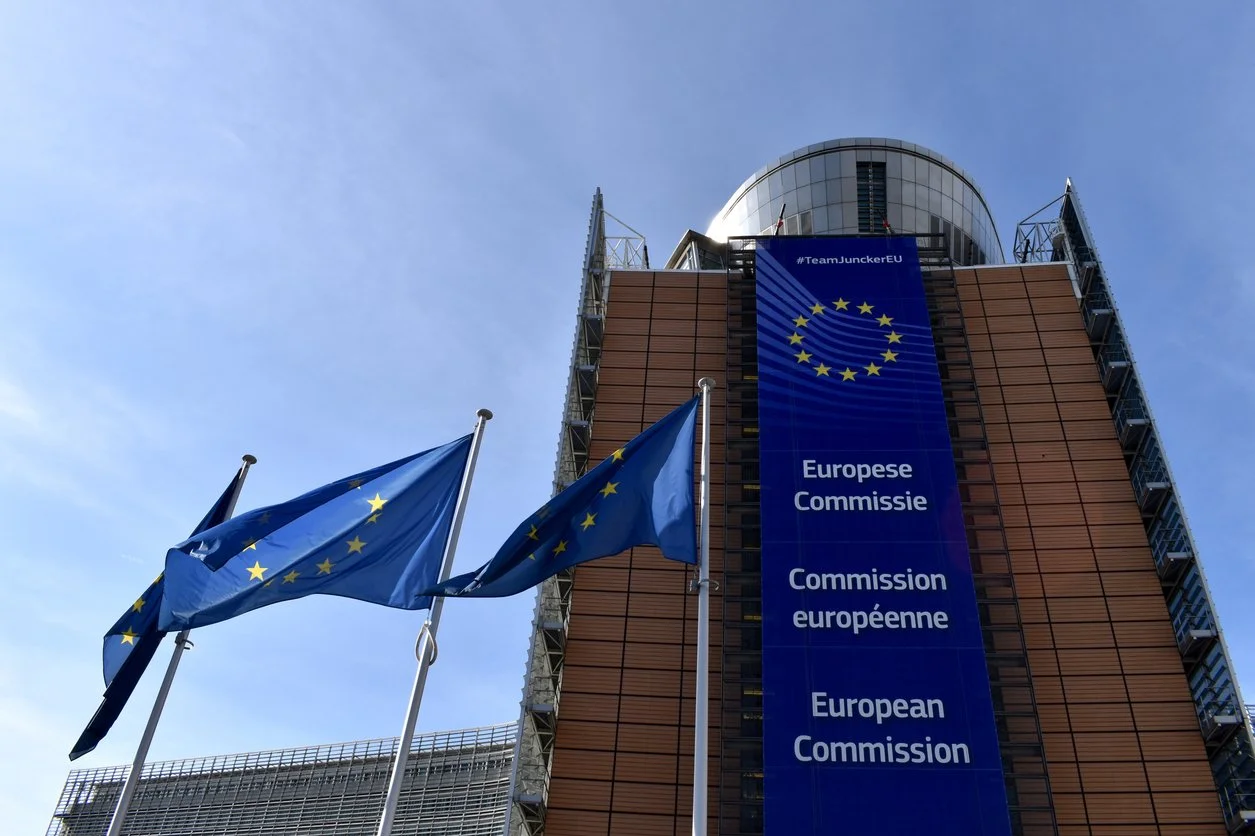
Read MoreThe Open Markets Institute, Balanced Economy Project, Rebalance Now, and SOMO released condemned the European Commission’s decision to allow Google to acquire cloud security firm, Wiz, against expert recommendations for a deeper assessment of the deal.
Read MoreIn this issue, we explore the legal and economic impact of OpenAI’s deals to lock up supply of memory chips.
Read MoreThe Open Markets Institute published a blueprint for Europe’s transition towards an open, competitive, and sovereign cloud market, co-authored by Europe director Max von Thun and EU tech policy fellow George Colville.
Read MoreThe European Commission announced a preliminary finding that Meta may have abused its dominant position by excluding third-party AI assistants from WhatsApp. The Commission intends to impose interim measures to prevent serious and irreparable damage to competition. Such measures could include Meta being forced to open WhatsApp to third-party AI assistants. Max von Thun, Director of Europe & Transatlantic Partnerships at the Open Markets Institute, released a following statement.
Read MoreThe Open Markets Institute released a statement led by Max von Thun, Director of Europe & Transatlantic Partnership a preliminary finding that TikTok’s platform design contributes to addictive use and may violate the European Union’s Digital Services Act (DSA) requiring TikTok to fundamentally change to its business model, including disabling addictive features such as “infinite scroll”.
Read MoreOpen Markets Institute, alongside partner organisations Article 19, the Balanced Economy Project and SOMO, made a detailed submission to the European Commission urging officials to open an in-depth investigation into Google’s proposed acquisition of the cloud security firm Wiz.
Read MoreCJL director Courtney Radsch contends that both the Netflix and Paramount–Skydance bids for Warner Bros. Discovery would deepen media concentration in ways that endanger free speech, audience choice, and democracy by placing cultural storytelling and news under the control of conglomerates willing to bend to political pressure.
Read MoreCJL director Courtney Radsch argues that today’s AI systems—shaped by market concentration, surveillance-based business models, and weak regulation—are evolving into an infrastructure of cognitive control that threatens freedom of thought, human agency, and democracy unless firm legal, structural, and human-rights–based constraints are imposed.
Read MoreBarry Lynn condemns travel bans on five European citizens on the theory that their efforts to regulate the behavior of dominant online communications platforms amounted to censorship of American citizens.
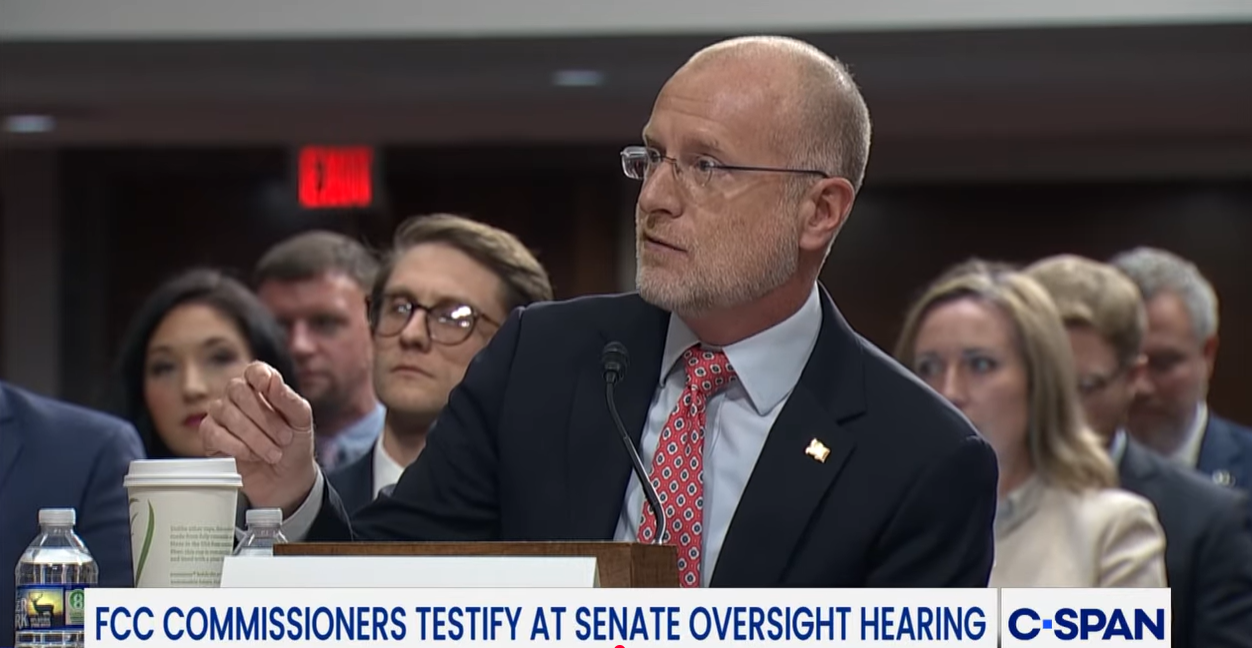
Read More“It is deeply alarming — and overdue — that U.S. senators are finally confronting the serious threat of consolidated media censorship and quid pro quo interference that has unfolded during this administration, including at a Federal Communications Commission that was created to be independent,” said Dr. Courtney Radsch, director of the Center for Journalism and Liberty at Open Markets.
Read MoreThe Open Markets Institute and Mission:data Coalition published a joint report, “Fair and Open Markets for Virtual Power Plants," on how investor-owned utilities are stifling the growth of virtual power plants (VPPs) and denying customers more affordable and reliable electricity.
Read MoreOpen Markets Institute Policy Counsel Tara Pincock released a statement on the misguided ruling on the FTC’s case regarding Meta’s monopoly in social media.
Read MoreOpen Markets welcomes the European Commission’s three market investigations on cloud computing services under the Digital Markets Act (DMA).
Read MoreThe Open Markets Institute filed an amicus brief in State of Ohio v. Google, urging the Fifth District Court of Appeals of Ohio to recognize the state’s authority to designate Google Search as a common carrier—just as courts and legislatures have long done for railroads, telegraphs, telephones, and other corporations that hold themselves out to serve the public.
Read MoreIn a statement from Max von Thun, Open Markets condemns Google’s insufficient remedies, proposed in the EU, regarding its conflicts of interests in the adtech stack.
Read MoreThe Open Markets Institute and ARTICLE 19 hosted on October 15th & 16th a convening of high-level leading thinkers, lawmakers, technologists, and advocates who discussed the direct and growing threats to our democracies and basic liberties posed by today’s dominant online communications platforms, the rise of AI, and interference by foreign states.
Read More