In this issue, we explore Google’s growing power in the television industry, as the tech giant uses YouTube T V to squeeze major TV programmers like Fox and Disney.
Read MoreCJL director Courtney Radsch contends that both the Netflix and Paramount–Skydance bids for Warner Bros. Discovery would deepen media concentration in ways that endanger free speech, audience choice, and democracy by placing cultural storytelling and news under the control of conglomerates willing to bend to political pressure.
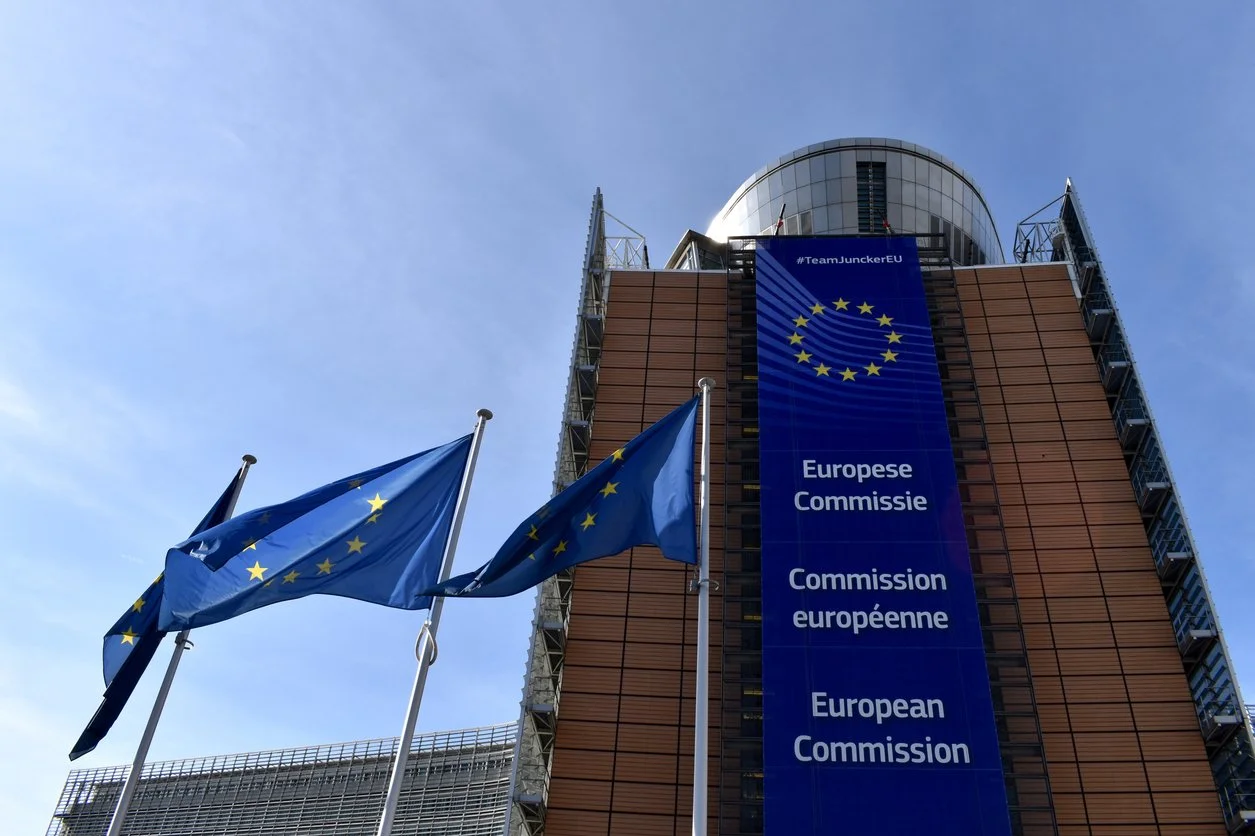
Read MoreEurope research fellow Claire Lavin co-wrote an article arguing that Google’s proposed $32 billion acquisition of Wiz would dangerously concentrate control over Europe’s cloud security infrastructure in the hands of a U.S. tech gatekeeper, threatening competition, data governance, and digital sovereignty—and must be rigorously investigated and potentially blocked by EU regulators.
Read MoreOpen Markets submitted submitted written testimony to the House Judiciary Subcommittee on the Administrative State, Regulatory Reform, and Antitrust with regard to its January 7th hearing, "Full Stream Ahead: Competition and Consumer Choice in Digital Streaming,” concerning Netflix’s proposal to acquire Warner Bros. Discovery (WBD).
Read MoreCJL director Courtney Radsch argues that today’s AI systems—shaped by market concentration, surveillance-based business models, and weak regulation—are evolving into an infrastructure of cognitive control that threatens freedom of thought, human agency, and democracy unless firm legal, structural, and human-rights–based constraints are imposed.
Read MorePolicy director Phil Longman warns that unchecked Big Tech and AI monopolies are rapidly undermining the economic foundations of a free press and urges urgent public support for policy-focused journalism, like the Washington Monthly, as essential to preserving democracy and meaningful freedom of speech.
Read More