Barry Lynn condemns travel bans on five European citizens on the theory that their efforts to regulate the behavior of dominant online communications platforms amounted to censorship of American citizens.
Read More
Publications
Barry Lynn condemns travel bans on five European citizens on the theory that their efforts to regulate the behavior of dominant online communications platforms amounted to censorship of American citizens.
Read MoreLegal director Sandeep Vaheesan explores the debate between antitrust reformers and Marxist critics, arguing that antitrust law can serve as a tool for democratizing economic life when paired with broader political movements.
Read MoreReporter Austin Ahlman writes about how the Supreme Court’s likely overturning of Humphrey’s Executor could end agency independence and transform regulators like the FTC into direct instruments of presidential power.
Read MoreWelcome to The Corner. In this issue, we take a look at how Democratic lawmakers are failing to fight President Trump’s willful dismantling of regulatory agency independence. And our report on how electric utilities block affordable and more reliable energy alternatives.
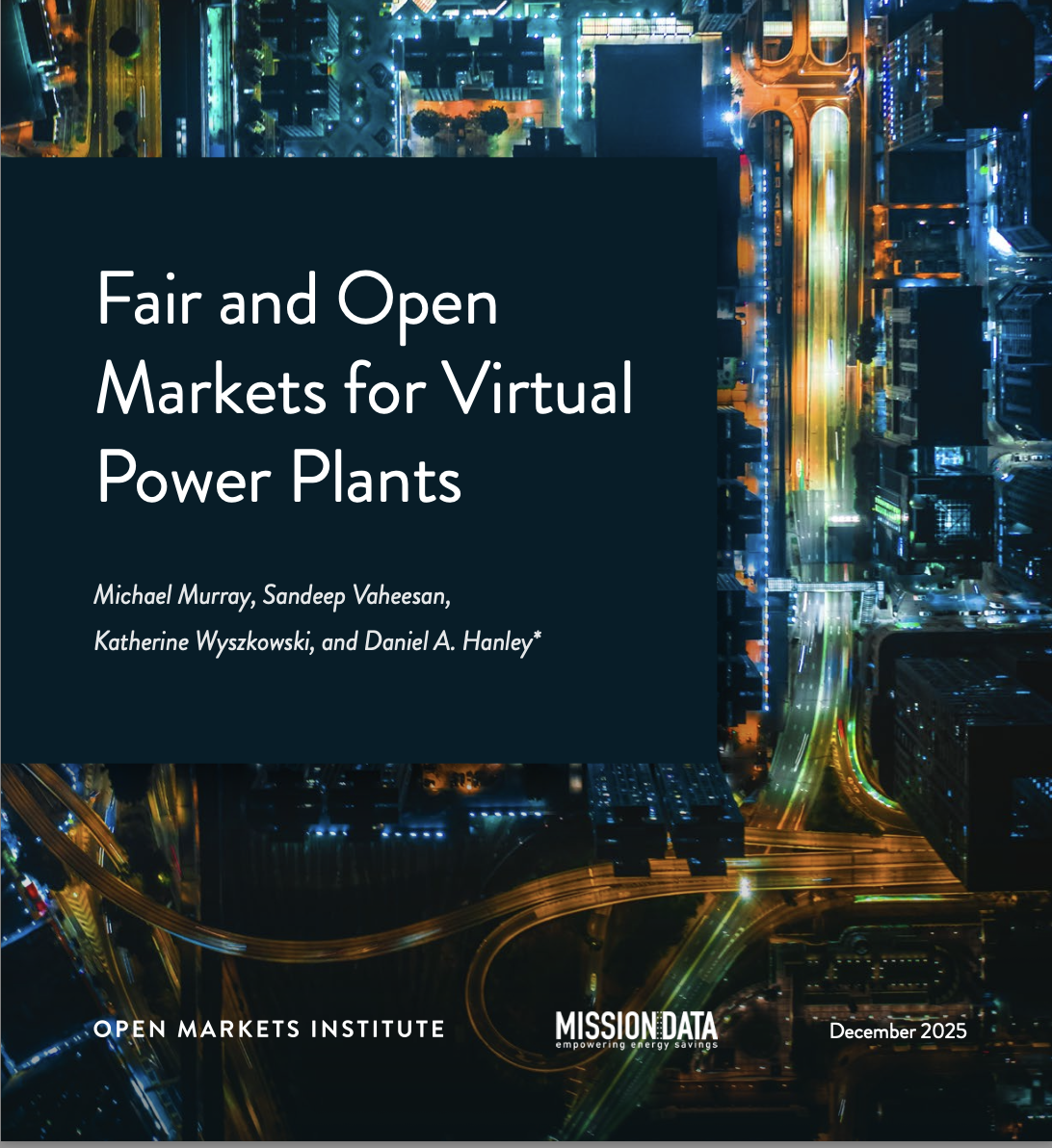
Read MoreThe Open Markets Institute and Mission:data Coalition published a joint report, “Fair and Open Markets for Virtual Power Plants," on how investor-owned utilities are stifling the growth of virtual power plants (VPPs) and denying customers more affordable and reliable electricity.
Read MoreOpen Markets Institute helped craft a letter with more than 70 press freedom organisations, businesses, experts, and think tanks urging the European Commission to reject Google’s proposed remedies in the adtech antitrust case.
Read MoreEurope director Max von Thun spotlights the EU’s new antitrust investigations into Google and Meta mark a crucial step toward preventing Big Tech from using its platform power to dominate AI, exploit creators, and undermine competition and democratic access to information.
Read MoreEurope director Max von Thun argues that Europe’s response to Trump-era pressure on digital regulation must combine tough enforcement against Big Tech with major investment in homegrown technology, warning that efforts to weaken landmark laws like the AI Act and GDPR threaten European sovereignty and democratic security.
Read MoreNetflix’s bid to swallow Warner Bros. Discovery’s studios and streaming business is a raw deal for viewers, writers, creators, theaters. Karina Montoya weighs in.
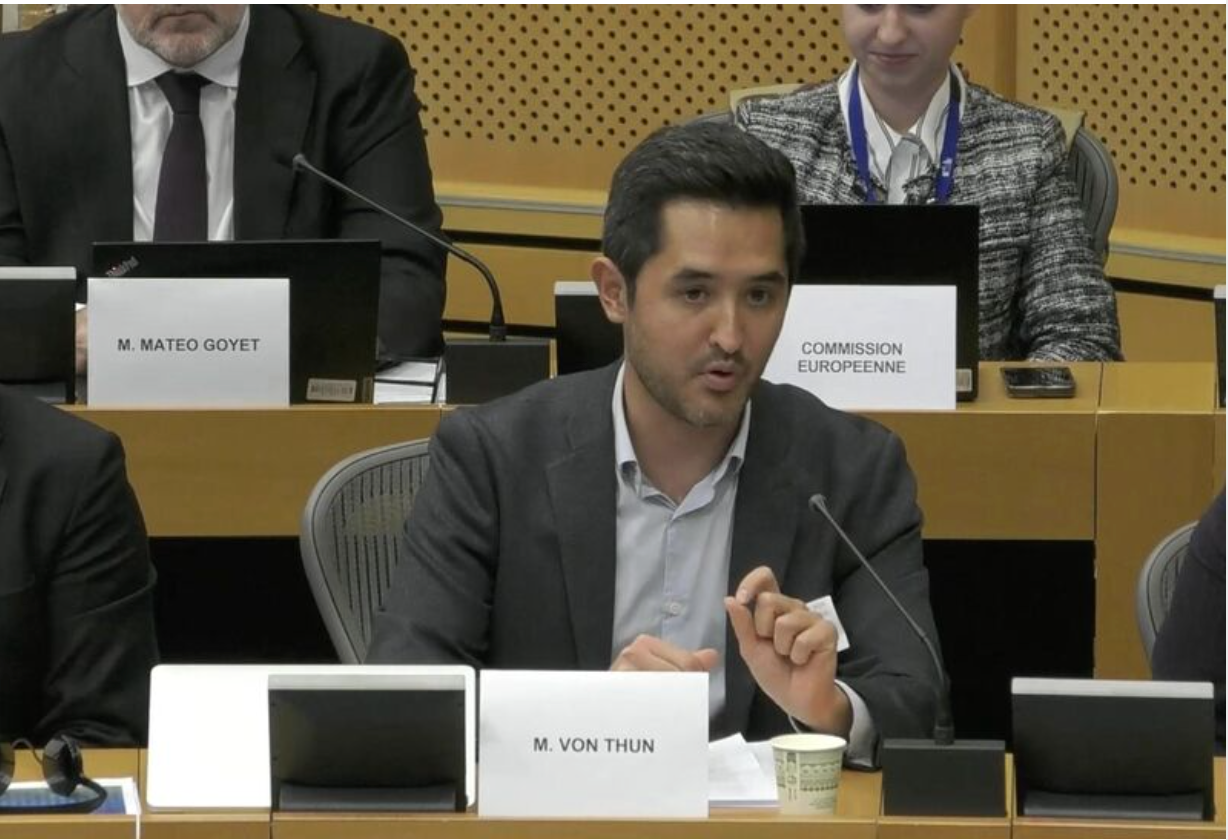
Read MoreEurope director Max von Thun briefed in a testimony the European Parliament’s Internal Market Committee on Europe’s deep dependence on U.S. cloud giants, urging lawmakers to use existing regulatory tools to open the market and ensure Europe can build sovereign, resilient cloud and AI infrastructure.
Read MoreIndustrial Policy Program Manager Audrey Stienon writes that Europe’s landmark Green Deal is being weakened under pressure from Trump’s tariff threats and rising far-right influence, jeopardizing the EU’s climate ambitions and democratic sovereignty.
Read MoreIn this issue, we take a closer look at whether Trump tariff policies are the only reason Europe might moderate a key carbon pricing mechanism, which lies at the heart of its climate change policy.
Read MoreCreating Fair Food Markets for Affordable Groceries, an expert brief by Food Systems manager Claire Kelloway, shares how policymakers at all levels of government can hold food corporations to account and foster fair grocery markets that provide affordable and readily available food for everyone.
Read MoreCJL Director Dr. Courtney C. Radsch issued a statement regarding a Spanish court ordering Meta to compensate digital media outlets for illegal use of their data, setting important precedent in the EU.
Read MoreLegal director Sandeep Vaheesan argues that breaking up the control seven obscure regional transmission organizations exercise over huge parts of the country’s electrical grid would help lower exploding electricity costs.
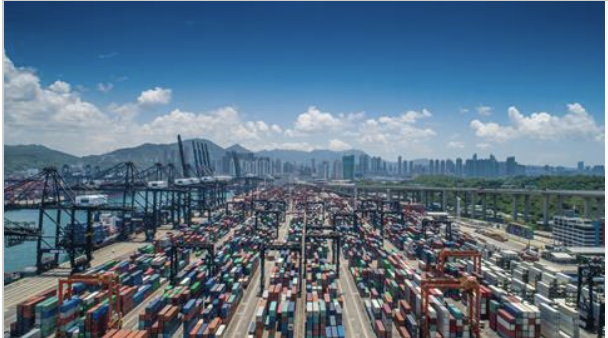
Read MoreTransportation analyst Arnav Rao argues that the MSC–BlackRock port takeover would dangerously consolidate global shipping, undermining U.S. security and supply chain resilience rather than protecting it.
Read More