The New Republic - How to Lower Energy Costs: Break Up the Electrical-Grid Cabal
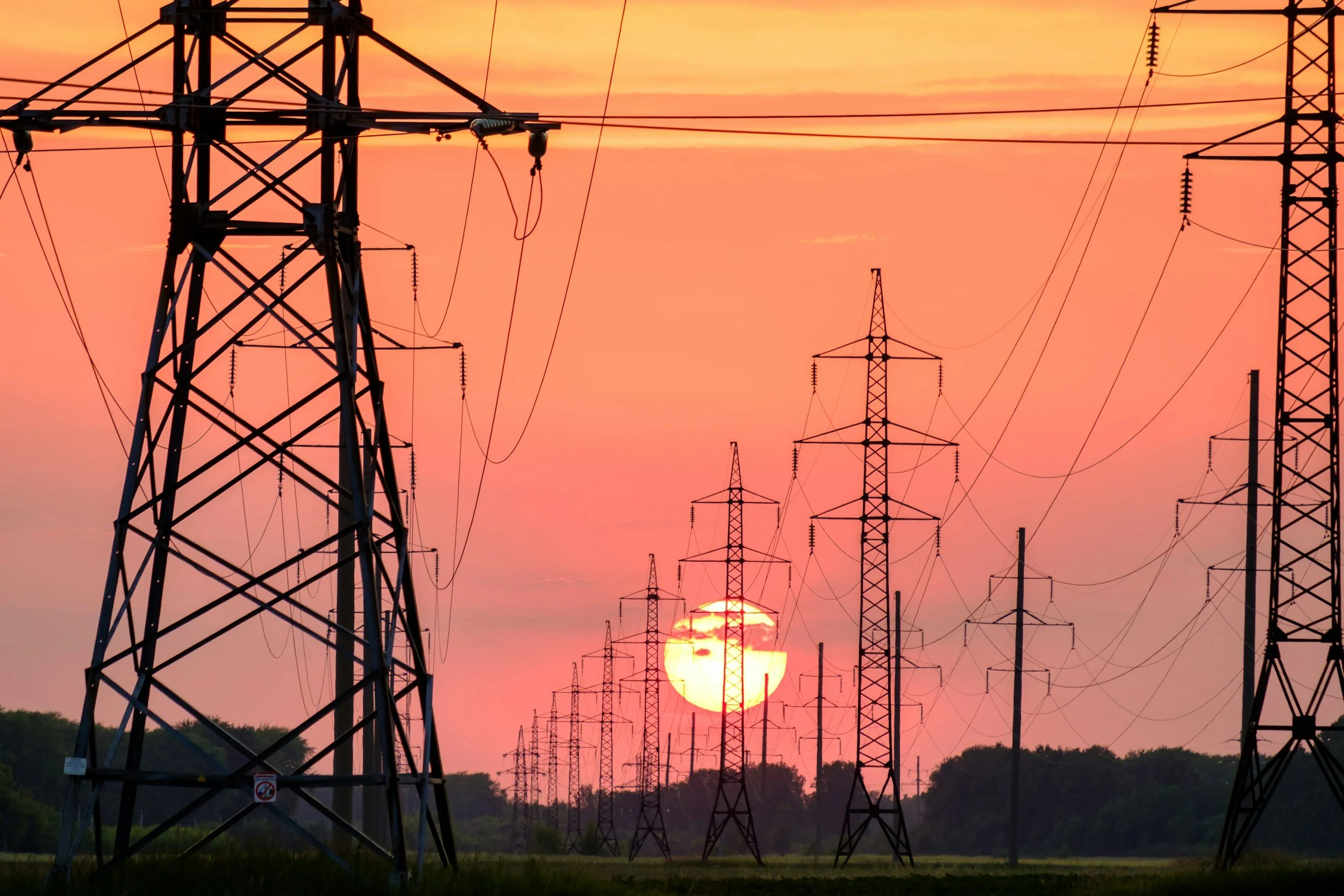
Legal director Sandeep Vaheesan argues that breaking up the control seven obscure regional transmission organizations exercise over huge parts of the country’s electrical grid would help lower exploding electricity costs.
Power bills are exploding across the United States. Roughly one-third of Americans struggled to pay for electricity in the past year, and millions received service disconnection notices due to unpaid bills. New Jersey Governor-elect Mikie Sherrill and Virginia Governor-elect Abigail Spanberger both campaigned on energy affordability. When they take office in January, they could tackle an unlikely adversary: PJM, the grid operator for the mid-Atlantic and parts of the Midwest. Finally, states in this part of the country may be ready to restructure the electrical grid.
The grid is a wonky topic, easily overlooked. But it’s also the backbone of everyday life, delivering power to homes, hospitals, and businesses; affecting household and commercial budgets and thus the broader economy. Much of the American grid is managed by seven obscure private regional transmission organizations, or RTOs, like PJM, with generally little public scrutiny or accountability. And in recent years, RTOs have fumbled both price increases and the energy transition, failing to get grid infrastructure upgraded or built.
…
So what’s the solution? In the short run, there is room for creating a more public grid. Governors like Sherrill and Spanberger, in alliance with other state executives in their region, can use their political leverage over utilities in RTOs and through complaints to FERC to demand more transparent decision-making. They should insist that RTOs open their proceedings to the public to ensure that consumer advocates and state officials can monitor and scrutinize their decision-making. Further, they should select at least a few board members from slates proposed by governors of states in their service territory.
In the longer term, we should aim higher, through multistate compacts and federal legislation, regional or national public grid operators. A more democratic RTO system would transfer power from what legal scholar Ari Peskoe calls the “transmission syndicate” that governs regional grids to a public agency. Instead of governance defined and developed by the private RTO members, this would allow for new governance that considers the twenty-first-century grid and grounds decisions in the public interest.
This model already exists. California’s transmission operator, CAISO, is managed by a governor-appointed board that acts to advance state policy goals, rather than private objectives. Further, the federal Tennessee Valley Authority and Bonneville Power Administration are responsible for grid operations and planning in parts of the Southeast and the Pacific Northwest, respectively. In 1999, Public Citizen urged FERC to create publicly owned transmission companies, instead of private RTOs, for each of the three physical grids in the United States (West, East, and Texas).
Read the full piece in The New Republic here.