
Successful Farming - How Immigration Crackdowns Are Impacting America’s Farmworkers
Claire Kelloway, food program manager at the Open Markets Institute, highlights how Walmart’s dominance has reshaped grocery competition, making it harder for independent grocers to survive. She argues that stronger enforcement of the Robinson-Patman Act is essential to level the playing field, pointing to the FTC’s ongoing case against Southern Glazer’s as a sign of progress.
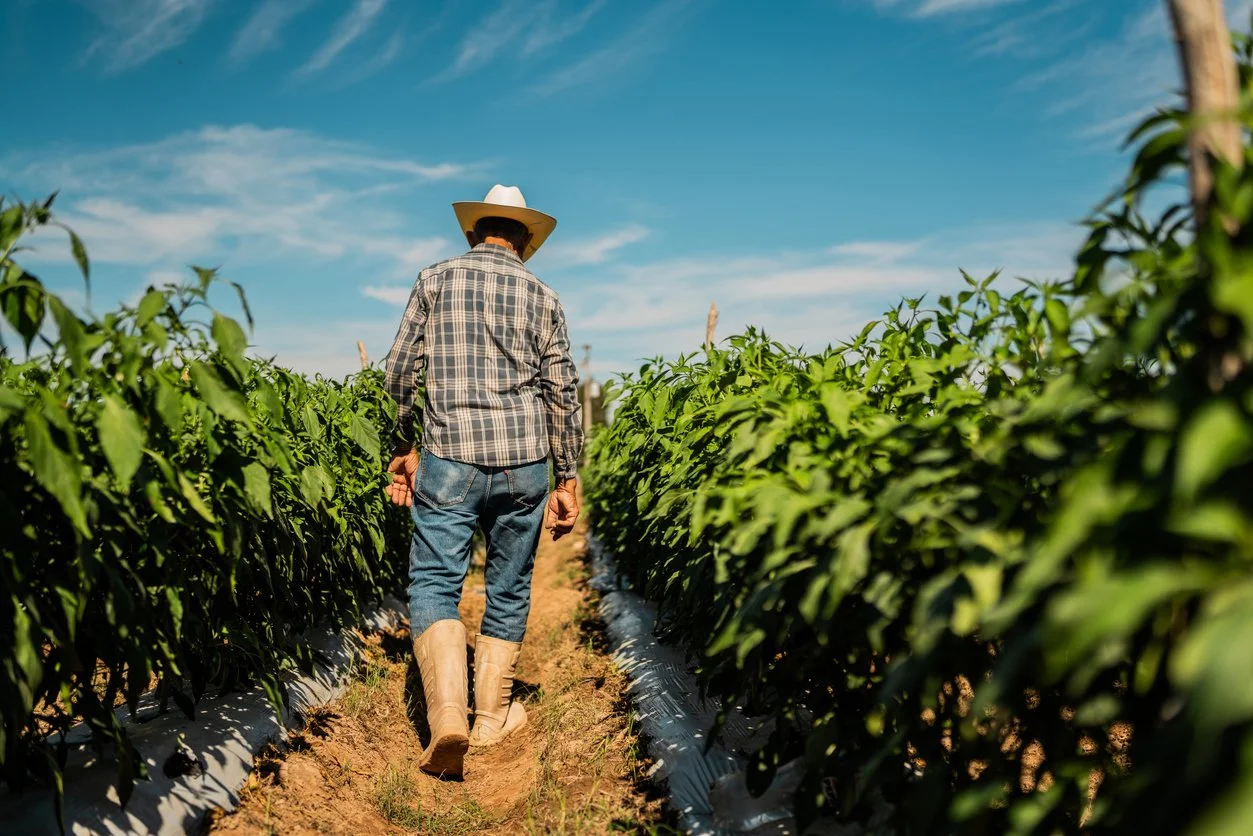
American farms hire roughly 2.5 million people annually to pick crops, milk cows, manage nurseries, tend livestock, and otherwise keep farms running, according to an analysis of federal data by UC Davis economics professor Philip Martin.
Most farmworkers in the U.S. are immigrants, particularly from Mexico. Some foreign workers come to the U.S. just for seasonal work through the H-2A guest worker visa program. Many more, approximately 1.7 million Mexico-born farmworkers, according to Rural Migration News, are settled in the U.S. and have worked on U.S. farms for decades. Of these settled workers, roughly half have some sort of legal residency status or U.S. citizenship, while the other half, an estimated 850,000, are unauthorized to live in the U.S.
Another 1.7 million people work in food processing plants, per the USDA. Many are refugees, and approximately 19% are in the country without authorization, according to the New American Economy research group. In the largest food processing segment, meatpacking, the American Immigration Council estimates that 45% of all workers are immigrants and around 23% are unauthorized.
Food workers and farmers are worried about what President Donald Trump’s immigration crackdown will mean for their livelihoods, their families, and the nation’s food supply.
“The anticipation of not knowing what’s coming down the pike is creating a lot of sleepless nights for agricultural employers,” said Michael Marsh, president and CEO of the National Council of Agricultural Employers (NCAE).
The administration’s change in enforcement tactics and violations of due process have heightened fear among farm and food workers. The president has suggested that farmers may be able to offer workers a path to leave the U.S. and return legally, but the administration has not presented specifics.
Read full article here.