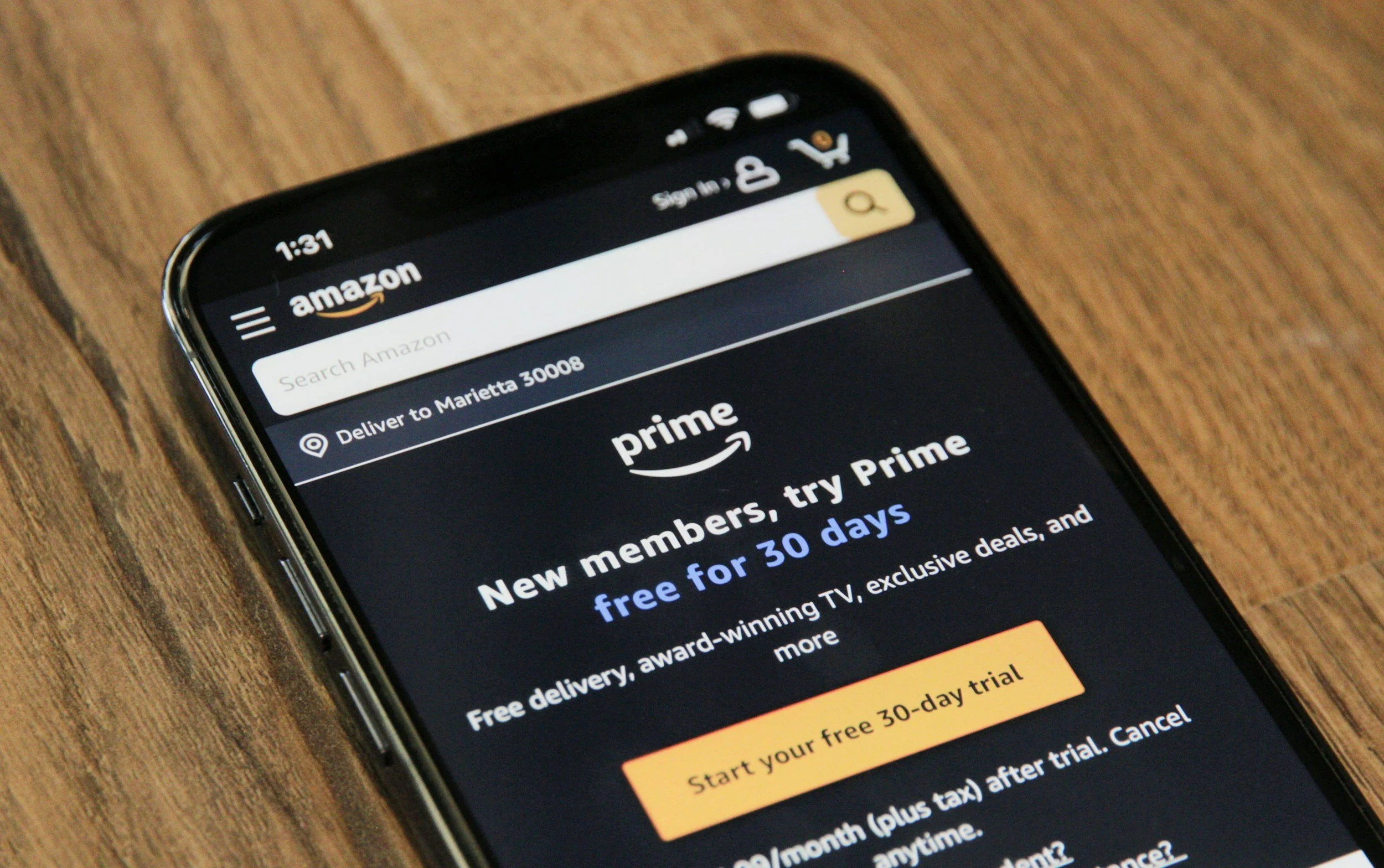
Tara Pincock released a statement on Amazon‘s $2.5 billion settlement with the Federal Trade Commission following allegations the ecommerce giant tricked customers into enrolling in Prime memberships.
Read More
Publications
Tara Pincock released a statement on Amazon‘s $2.5 billion settlement with the Federal Trade Commission following allegations the ecommerce giant tricked customers into enrolling in Prime memberships.
Read MoreMax von Thun, Europe Director at the Open Markets Institute, co-authored a piece with fellow Claire Lavin urging the European Commission to revise its merger guidelines. They argue that competition policy must look beyond prices to safeguard innovation, security, and democracy—ensuring a stronger and more resilient European Union.
Read MoreIn this issue, we explore how President Trump’s strategy of taking equity stakes in companies critical to national security is geared to fail. And we look forward to our October 15 and 16 conference on the US-Europe conflict over Free Speech and Democracy.
Read MoreClaire Kelloway, food program manager at the Open Markets Institute, highlights how Walmart’s dominance has reshaped grocery competition, making it harder for independent grocers to survive. She argues that stronger enforcement of the Robinson-Patman Act is essential to level the playing field, pointing to the FTC’s ongoing case against Southern Glazer’s as a sign of progress.
Read MoreKarina Montoya, senior reporter, wrote about the remedies hearings in the DOJ’s case against Google’s ad tech monopoly. She explained that the government is returning to court to push for a mix of structural separations and behavioral fixes to break open markets long dominated by Google.
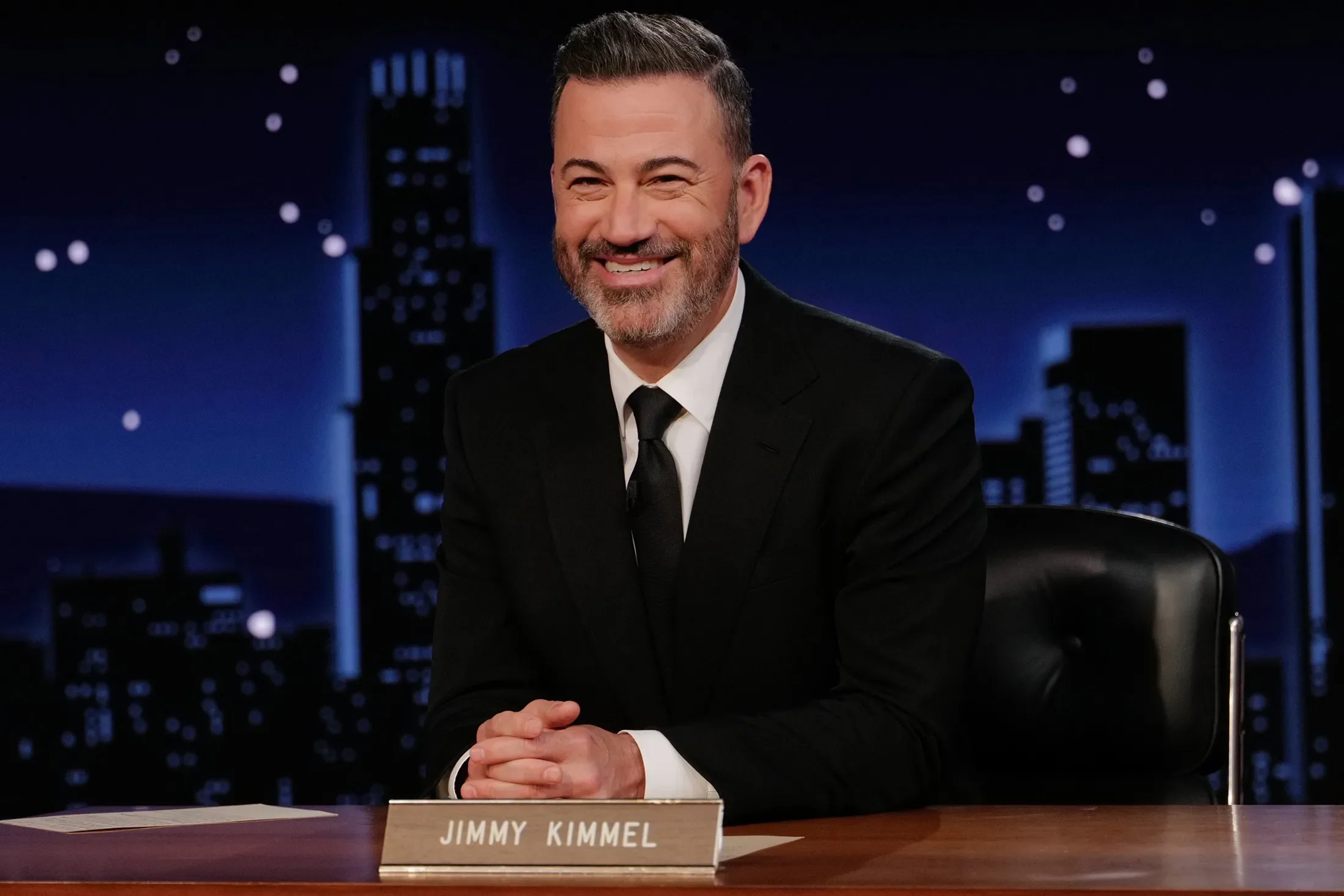
Read MoreBarry Lynn responded to news that Disney's ABC is indefinitely pulling down “Jimmy Kimmel Live!”
Read MoreThe Open Markets Institute submitted an amicus brief in United States v. Google, urging the court to order Google to divest part of its advertising technology businesses to restore competition and to protect publishers, advertisers, and the public.
Read MoreStatement from Dr. Courtney Radsch, Director of the Center for Journalism and Liberty at Open Markets regarding the news that Paramount Skydance is preparing a cash bid for Warner Bros. Discovery, backed by the Ellison family
Read MoreIn this issue, we look at last week’s very different enforcement actions in Brussels and Washington on Google antitrust. And how Microsoft, Amazon, Google, and Facebook get you to subsidize their enormous AI electricity bills.
Read More
EU tech policy fellow George Colville argues that the AI industry's growing energy demands are unfairly driving up electricity prices for ordinary Americans, with tech giants leveraging their power to shift the cost burden onto taxpayers and households instead of bearing it themselves.
Read MoreOpen Markets condemns the FTC’s filing a motion to withdraw from defending its landmark rule banning traditional and de facto non-competes.
Read MoreOpen Markets Europe Director Max von Thun released a statement in response to the European Commission’s decision to fine Google €3 billion for abusing its dominance in the adtech market and ordering the internet giant to end its illegal conduct.
Read MoreOpen Markets Institute Europe submitted more than 20 pages of recommendations to the European Commission as part of its consultation on updating the EU’s Horizontal and Non-Horizontal Merger Guidelines for the first time in nearly two decades.
Read MoreThe Open Markets Institute submitted a letter to the House Judiciary Committee calling on Congress to reject Big Tech’s fear-mongering campaign against European digital regulation and instead recognize how Europe’s approach strengthens free speech, competition, and democracy.
Read MoreBarry Lynn released the following statement following Judge Mehta’s failure to force Google to divest from Chrome and Android following his finding the company has maintained an illegal monopoly on search.
Read MoreOpen Markets Institute joined over 50 civil society groups in urging the European Commission to stand firm against U.S. interference in the EU’s digital rulemaking.
Read MoreTransportation analyst Arnav Rao argues that Trump’s push to revive U.S. shipbuilding has more substance than his usual policy swings, since the industry is vital to national security and enjoys rare bipartisan support. Still, Rao notes that America’s shipyards remain plagued by delays, high costs, and dependence on foreign-built vessels — meaning any true revival would require a coordinated, large-scale effort reminiscent of the Liberty ship program of World War II.
Read More