OMI Leads Civil Society Groups to Urge Antitrust Investigation into Netflix’s Market Power
The Open Markets Institute, joined by a coalition of leading civil society organizations, yesterday sent a letter to federal antitrust enforcers calling for a formal investigation into whether Netflix is engaging in monopolistic practices that harm competition, creators, and consumers in the rapidly evolving video streaming market.
The letter was addressed to Andrew N. Ferguson, Chair of the Federal Trade Commission, and Omeed Assefi, Acting Assistant Attorney General for the Department of Justice Antitrust Division.
“Fair competition in media markets is essential not only for consumer welfare, but for a dynamic creative economy and a pluralistic democratic society,” the groups wrote. “When one firm attains gatekeeping power over distribution at scale, it can shape which voices are heard and on what terms creators participate in the market.”
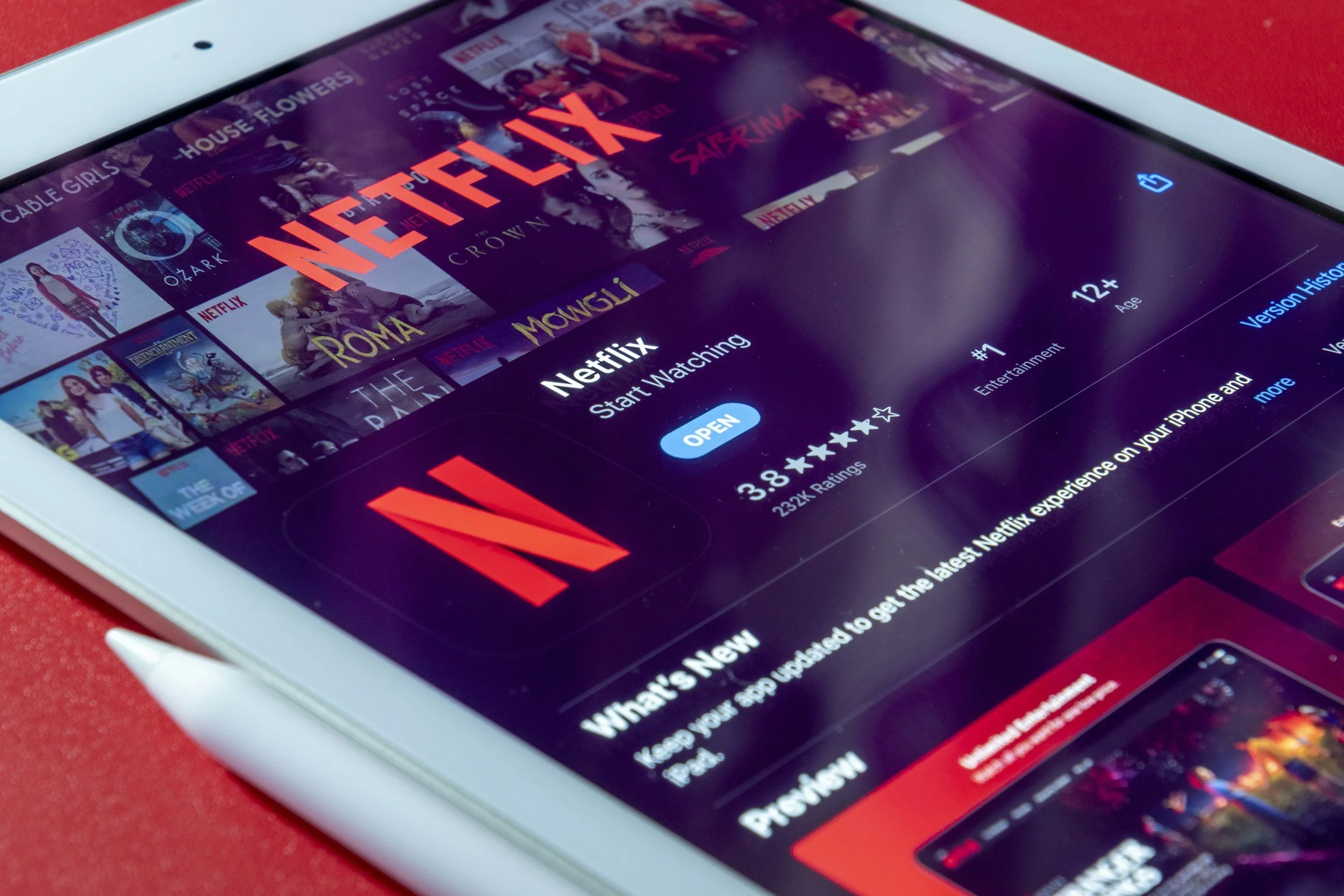
With more than 325 million global subscribers, Netflix plays a dominant role in subscription video streaming. The coalition argues that the company’s scale—combined with its vertically integrated production model, vast content library, and access to granular user data—may create significant barriers for competitors and give Netflix outsized control over both audiences and creators.
Concerns Over Pricing Power and Market Dynamics: The groups point to a series of recent subscription price increases by Netflix, reportedly outpacing inflation. Public statements from the company suggest it believes it has substantial “pricing power,” while also experiencing relatively low customer churn compared to competitors. “Sustained price increases alongside limited switching may indicate that competition in streaming markets is not functioning effectively,” the letter states.
Impact on Creators and Cultural Content: The coalition also raises concerns about how dominant streaming platforms are reshaping compensation structures for writers, actors, and other creative professionals. Organizations including the Writers Guild of America West have highlighted how streaming-era business models have altered residual payments and bargaining dynamics. The letter notes that enforcers have previously examined whether Netflix holds “anticompetitive leverage over creators,” underscoring the relevance of these concerns.
Data, Transparency, and Gatekeeping Power: According to the groups, Netflix’s control over viewer data and recommendation systems further entrenches its position. Limited transparency into viewership metrics may allow the company to set compensation and production terms in ways that creators and competitors cannot independently verify. The coalition also flags concerns about geographically differentiated content libraries, which can result in unequal access to programming across markets—an issue that may be amplified at Netflix’s scale.
The organizations are urging the Federal Trade Commission and Department of Justice Antitrust Division to:
Assess whether Netflix holds monopolistic power in video distribution markets, including subscription streaming
Investigate whether the company has engaged in conduct that harms competition or exploits its leverage over creators
Evaluate whether recent pricing trends reflect competitive dynamics or monopoly power
Consider enforcement action under the Sherman Act, Clayton Act, or FTC Act if warranted
“Ensuring that no single firm can exercise outsized control over the production and distribution of culture is critical to preserving a diverse and competitive marketplace of ideas,” the groups wrote.
The letter was signed by the Open Markets Institute, Writers Guild of America West, American Economic Liberties Project, Center for Digital Democracy, Demand Progress Education Fund, Institute for Local Self-Reliance, NextGen Competition, Revolving Door Project, and Tech Oversight Project.
###