Open Markets Urges Regulators to Block Union Pacific–Norfolk Southern Mega-Merger
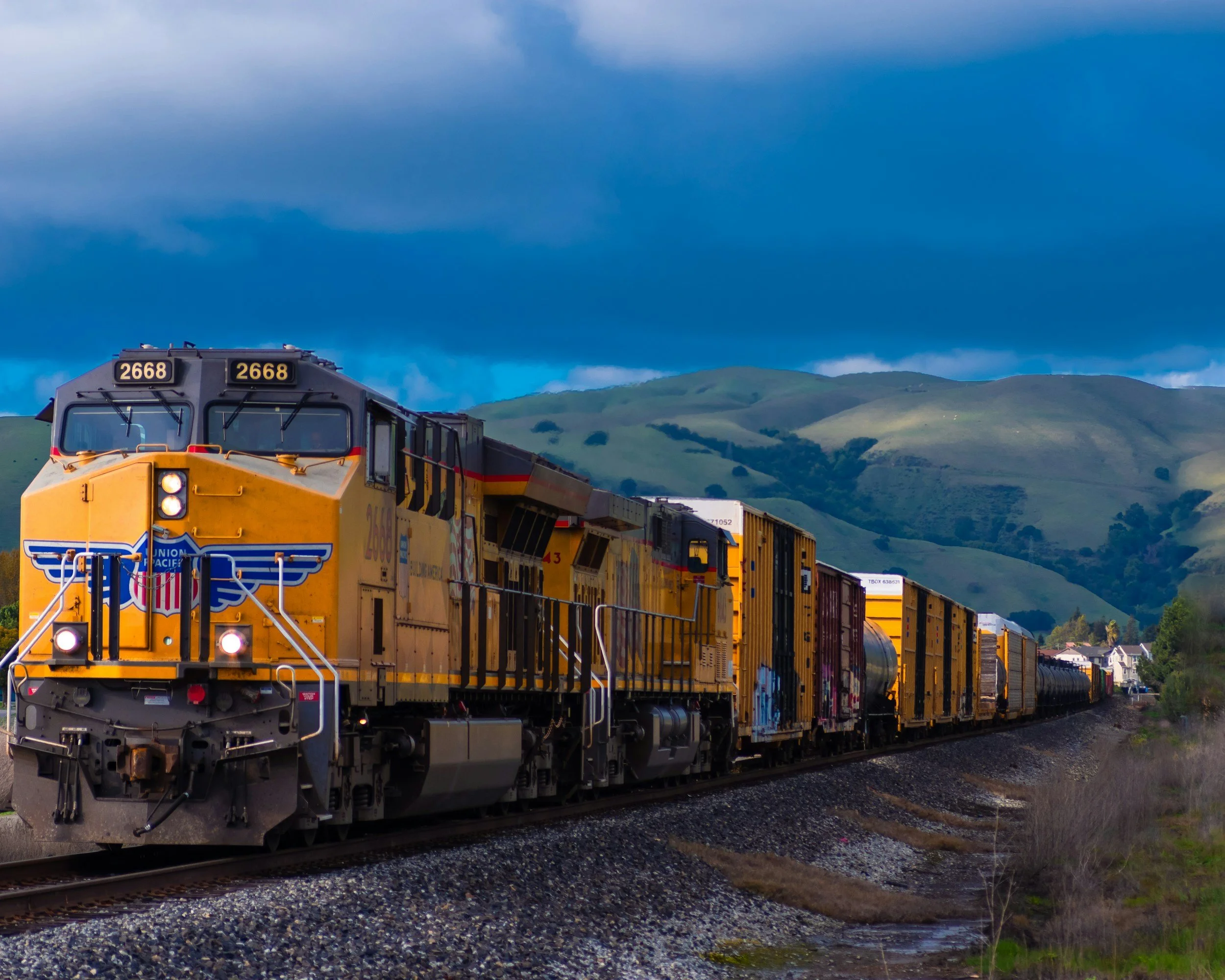
Merger would drive up shipping costs, threaten workers, and give one railroad unprecedented market power
WASHINGTON, D.C. — The Open Markets Institute is once again urging federal regulators to reject the proposed merger between Union Pacific and Norfolk Southern, warning that the deal would drive up costs, weaken rail service, and give one corporation extraordinary power over America's freight transportation system.
In a comment letter submitted to the Surface Transportation Board (STB) on November 18th, Open Markets argues that the proposed merger fails the public interest test required under federal law and would accelerate decades of harmful consolidation in the railroad industry.
“Americans have already paid the price for decades of railroad consolidation: higher shipping costs, unreliable service, and dangerous working conditions,” said Arnav Rao, Transportation Policy Lead at the Open Markets Institute. “Now Union Pacific wants to control half of the nation's major railroad traffic, giving it even more power to raise prices and squeeze the businesses, workers, and communities that depend on rail. Regulators should reject this merger, not reward another railroad monopoly.”
The comment letter disputes the railroads' claims that the merger would improve efficiency and attract millions of truck shipments to rail, arguing that similar benefits could be achieved through commercial partnerships without eliminating competition. It also warns that the companies' proposed safeguards would do little to constrain their expanded market power.
Instead, the letter highlights how decades of consolidation have reduced the number of major U.S. railroads from more than 70 to just six, while inflation-adjusted rail rates rose more than 37% between 2004 and 2022.
A combined Union Pacific–Norfolk Southern would control approximately half of all freight shipments originating on Class I railroads, further limiting competition and increasing costs for businesses and consumers.
Open Markets also warns that the merger would threaten railroad jobs and safety, increase the risk of supply chain disruptions, and give Union Pacific even greater power to retaliate against customers who challenge its practices.
Open Markets calls on the STB to reject the merger outright, rather than approve it with conditions that would be difficult to enforce.
Open Markets has repeatedly warned about the dangers of further railroad consolidation, including in Rao's analysis of the proposed merger and the industry's history and in a statement urging Senate scrutiny of Surface Transportation Board nominees. Rao also examined the dangers of this merger in a recent podcast interview, in a video by More Perfect Union, and an article in The Washington Monthly.
###