
Observer: What Breaking Up Facebook Would Actually Entail, According to Experts

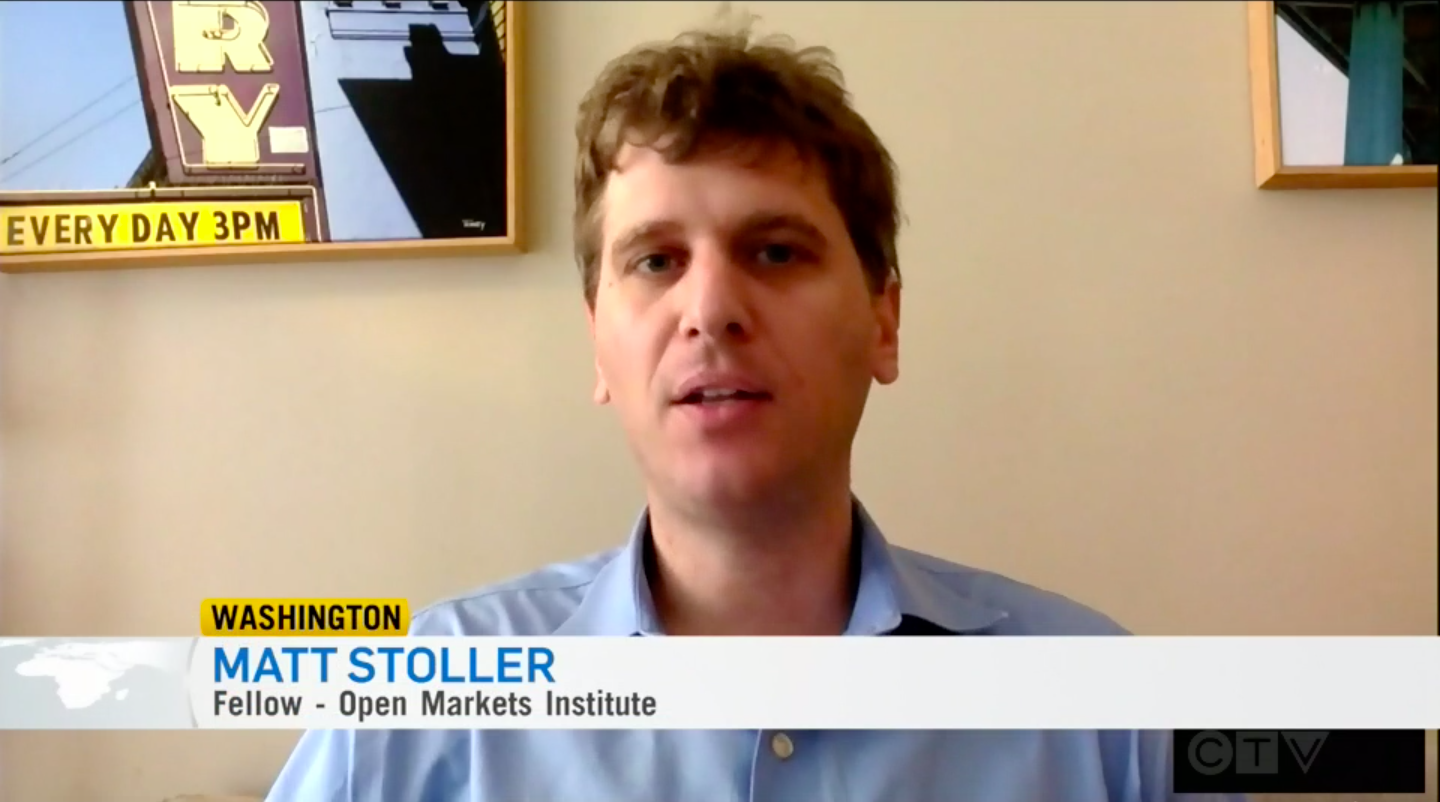
Open Markets' fellow Matt Stoller talks to the Observer about what breaking up Facebook would look like. “This isn’t rocket science,” Stoller told Observer. “The government should just hire an investment bank to break up the company. Then regulate the data practices and interoperability so that social networking is a neutral communications platform instead of a predatory one.”

Read More

Democrats Need to Tame the Facebook Monster They Helped Create

If you are thinking about Facebook or questions of political economy, an important and telling hearing took place recently in the House Energy and Commerce Committee. Democratic leaders Frank Pallone and Jan Schakowsky did an oversight review of Facebook’s regulator, the Federal Trade Commission, with all five commissioners, including Chairman Joe Simons, advancing ideas on how to address privacy rules in America today.

Read More
Fortune: Breaking Up Facebook Is Quickly Becoming a 2020 Campaign Issue

Open Markets Deputy Director Sarah Miller speaks with Fortune magazine's Luke Johnson about the growing consensus to break-up Facebook amid the debacle facing US regulators in tackling the problems created by big tech. “There has been a consensus built on this incredibly fast, faster than I would have imagined, given how popular Facebook was two or three years ago in Washington,” she told Fortune.

Read More
In Apple v. Pepper, Supreme Court Deals Surprising Blow to “Bottleneck Monopolies”

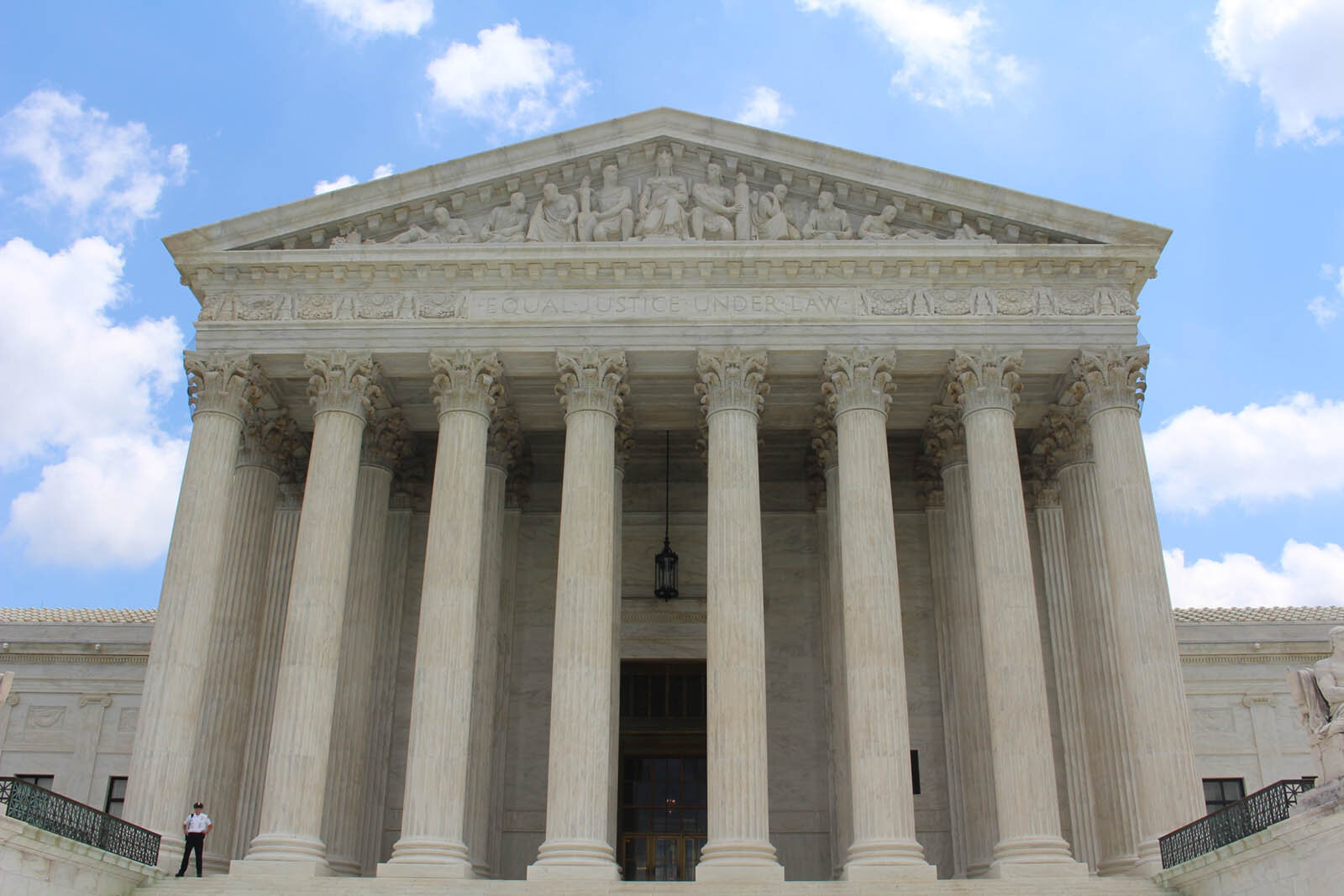
In a 5-4 decision Monday, the Supreme Court ruled that iPhone users could bring a class action lawsuit against Apple alleging that it monopolized the sale of apps. In his surprising majority opinion for the Court, Justice Brett Kavanaugh, joined by the four more liberal Justices, reaffirmed antitrust law’s longstanding purpose of protecting the producer of a good or service from the power of monopolies. This was in sharp contrast to most recent practice, in which enforcers and the judiciary have focused largely on harms to consumers.

Read More
We're getting closer to stopping tech giants like Apple from abusing their power

Of the big four tech giants, Facebook, Google and Amazon have been taking heat for abusing their market power, while Apple has been flying under the radar. That's because Apple's business model, unlike that of Facebook and Google, doesn't depend on closely tracking your data, and it has been more restrained than Amazon in the number of markets it muscles into. But thanks to a US Supreme Court decision on Monday, Apple is finally getting the attention it deserves.

Read More
Noncompete clauses trap #MeToo victims in abusive workplaces. The FTC should ban them.

After decades of virtual silence, the #MeToo movement has publicized the epidemic of sexual harassment and assault in the workplace. The recent New York Times investigation of Sterling Jewelers exposes the depth of the problem and shows how long and hard women’s fight for justice remains. Since women who complain about harassment face retaliation and even termination, often the only way to escape it is to find a new job. Yet for many women, continuing their careers with a new employer turns out to be impossible.

Read More
When American Capitalism Meant Equality

American capitalism used to mean economic equality and security. When I mention this in speeches or talks today, this observation prompts laughter, or outright disbelief. But it’s true. Americans used to believe economic equality was foundational to our political system. That America—at least for those considered citizens—carried with it an implicit promise of rough commercial equality. How did this notion change so radically?

Read More
Bloomberg Law: Apple’s Supreme Court Loss Could Ease Path for More Tech Suits

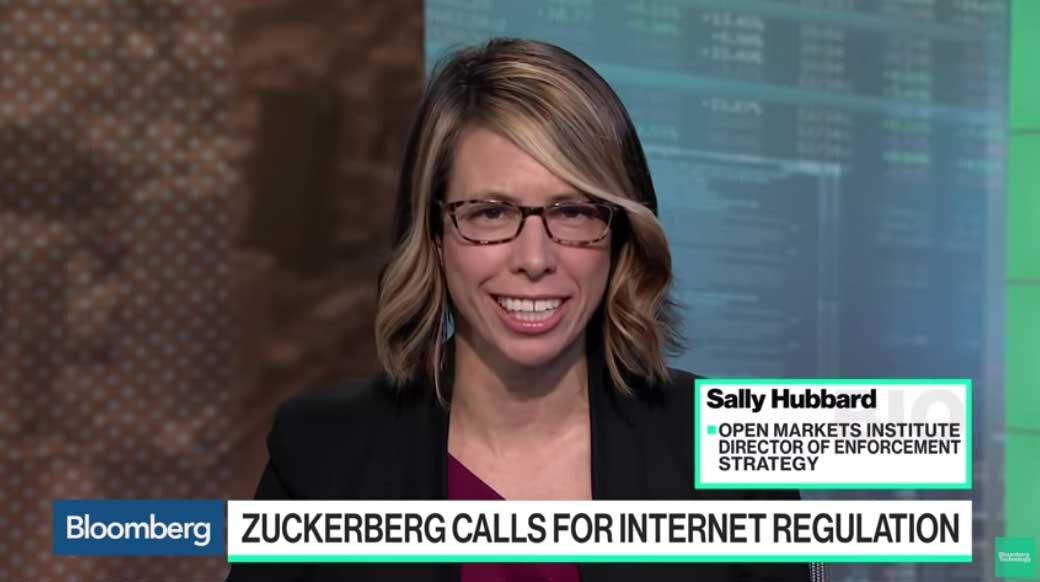
Bloomberg Law's Victoria Graham speaks to Open Markets Director of Enforcement Strategy Sally Hubbard about the recent decision by the Supreme Court in the Apple v. Pepper case and how the ruling clarifies another high court decision last year—Ohio v. American Express Co.—that set a difficult standard for bringing antitrust suits. The Apple case “makes it clear that the American Express decision was addressing a very specific type of platform,” Hubbard said. “It was not meant to cover all two sided markets.”

Read More
Open Markets Institute, Food & Water Watch, and the Organization for Competitive Markets Submit Letter to DOJ Opposing National Beef Acquisition of Iowa Premium

The Open Markets Institute, Food & Water Watch, and the Organization for Competitive Markets submitted a letter to the Justice Department supporting a letter by The Ranchers-Cattlemen Action Legal Fund United Stockgrowers of America (“R-CALF USA”) on March 28, 2019, regarding the proposed acquisition of Iowa Premium, LLC, (“Iowa Premium”) by National Beef Packing Company, LLC (“National Beef”).

Read More
NYT: Supreme Court Allows Antitrust Lawsuit Against Apple to Proceed

The New York Times speaks with Open Markets Legal Director Sandeep Vaheesan about the Supreme Court's ruling in Apple v. Pepper and what it means for consumers. “What Apple has done since the launch of the iPhone is tell all iPhone owners and iPhone app developers that if they want to buy and sell apps, they have to go through the App Store,” Vaheesan said. “So Apple has set up this app store as a bottleneck where everyone in the iPhone ecosystem must transact.”

Read More
Black Farmers Association Opposes BB&T and SunTrust Bank Merger

In a recent letter to government regulators, the National Black Farmers Association (NBFA) argues that the proposed $66 billion takeover of SunTrust by BB&T will harm “rural and economically disadvantaged areas.” In the letter, the NBFA said the takeover will result in fewer rural branches, less competition in the regions where many of their members farm, and cuts in staff and services, particularly those dedicated to anti-discrimination compliance oversight.

Read More
Open Markets Applauds Supreme Court in Apple v. Pepper

“This is an important win in the public’s fight against monopoly in the tech sector and elsewhere,” said Open Markets Legal Director Sandeep Vaheesan. “The Court followed its own precedent and the plain text of the Clayton Act and rejected Apple’s specious attempt to exempt itself and other monopolists from consumer antitrust suits for damages.”

Read More