
Washington Monthly - Railroad Merger: Why It Could Go Off the Rails
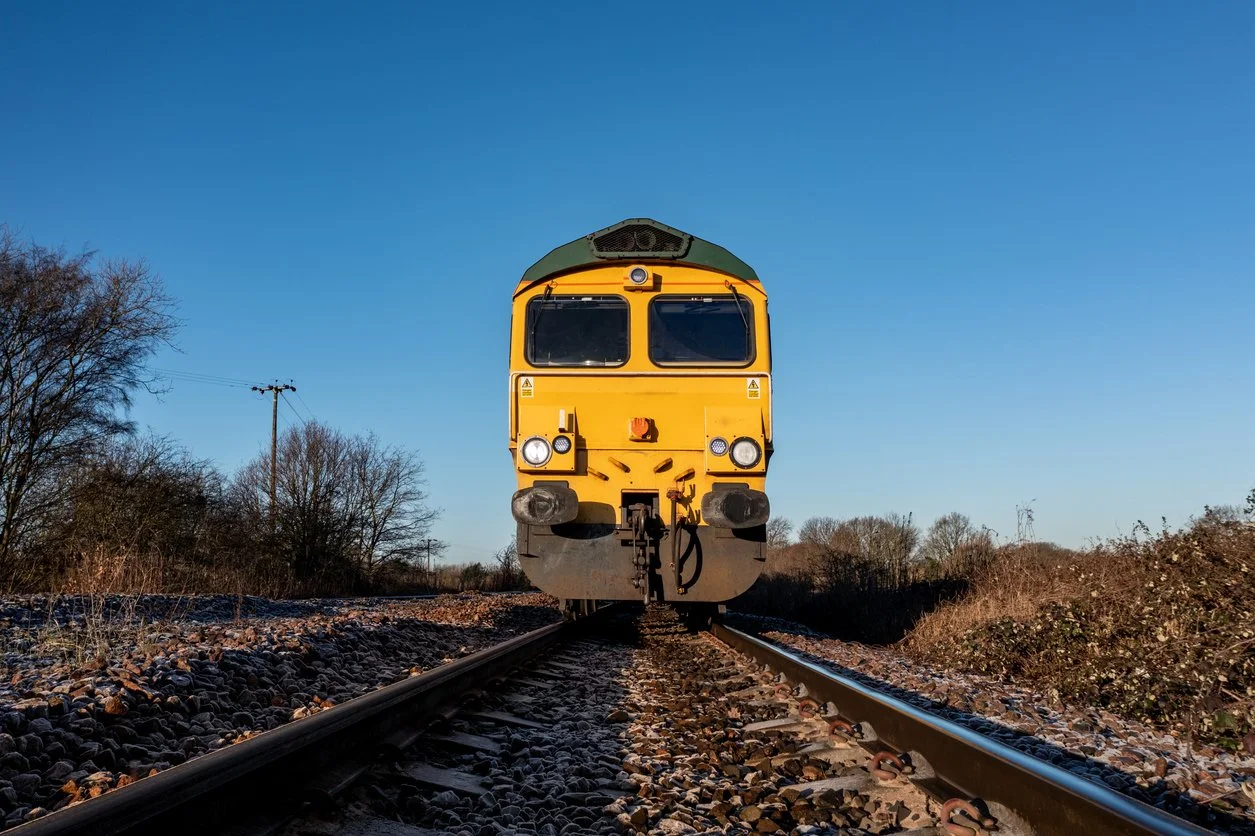
Transportation analyst Arnav Rao writes that Union Pacific’s proposed merger with Norfolk Southern would dangerously consolidate the U.S. freight rail industry—threatening service reliability, competition, and the nation’s economic resilience under the guise of efficiency.
In July, Union Pacific (UP), the largest railroad by revenue in the United States, announced plans to acquire Norfolk Southern (NS), the country’s fourth largest railroad. With UP’s dominance west of the Mississippi River and NS’s dominance to the east, the combined $250 billion railroad would create the first coast-to-coast railroad company and leave America’s already consolidated rail system even more concentrated.
Freight railroads are the backbone of the United States economy. They move the inputs and outputs of nearly every industry: grain, coal, steel, lumber, chemical, and finished goods like automobiles. A functional, competitive freight rail system is necessary if the United States wants to reshore manufacturing or build a green economy.
At first glance, a freight railroad that spans the United States might appear to bring significant efficiencies—faster transit times and more efficient routing because traffic would not need to be interchanged between the railroads. However, experience shows that mergers often result in chaos instead of coordination. The 2023 combination of Canadian Pacific and Kansas City Southern, the first large railroad merger in more than two decades, quickly ran into trouble, causing delays, service failures, and growing frustration among shippers. When Union Pacific acquired Southern Pacific and CSX and NS absorbed Conrail in the 1990s, the combined companies attempted to “rationalize” their systems, creating nationwide service meltdowns so severe that regulators were forced to impose a 15-month merger moratorium.
Rather than streamline freight services, these mega-mergers tend to break systems and concentrate power.
Read full article here.