
Tagesspiegel Background - Von der Leyen's DMA policy jeopardizes Europe's sovereignty
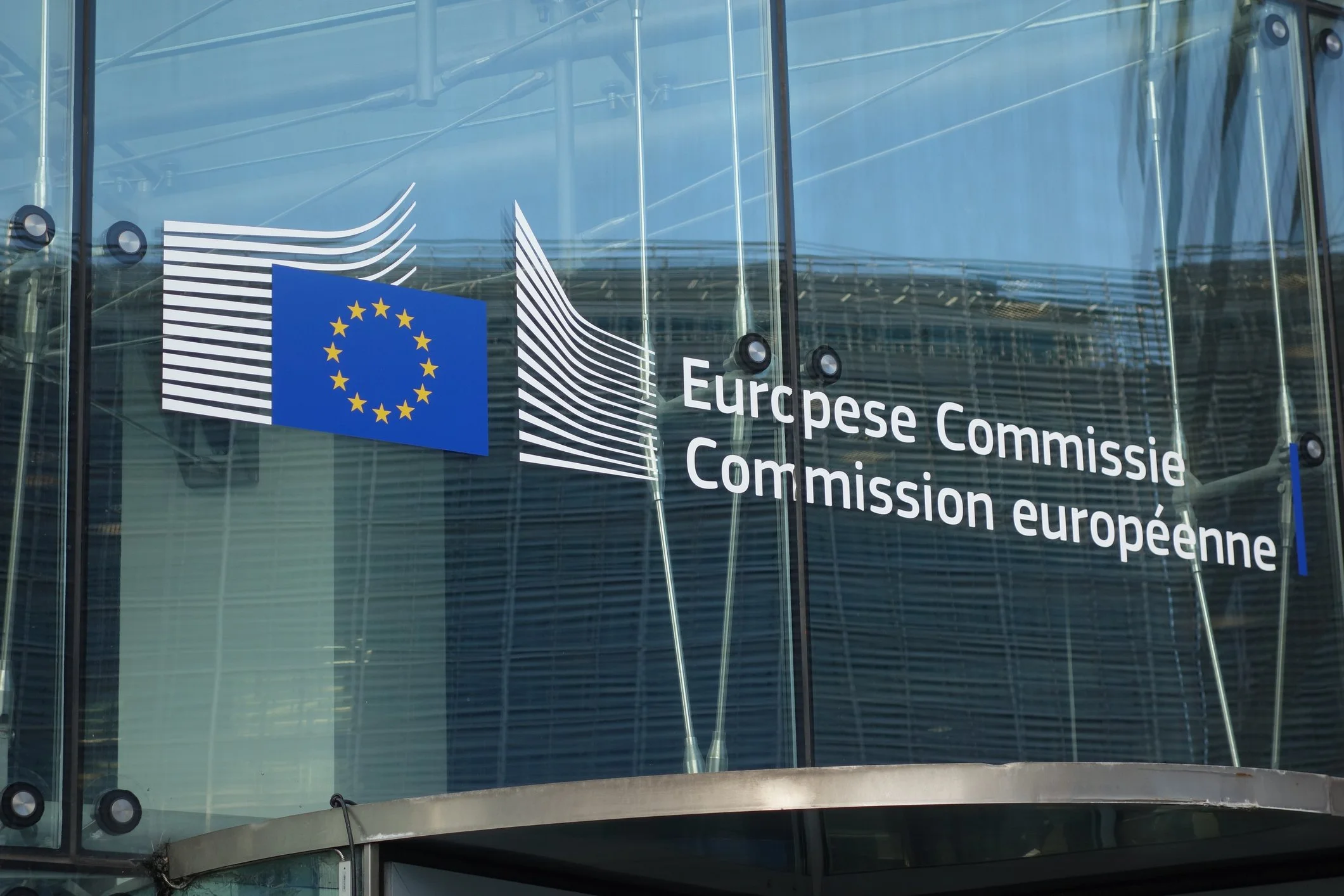
OMI Europe director Max von Thun speaks on how Europe is undermining its own digital sovereignty by weakening enforcement of the DMA, DSA, and competition law in response to U.S. pressure, leaving citizens, startups, and democratic institutions more vulnerable to dominant tech platforms.
Europe's relationship with the Trump administration has reached another low point. Following American threats against Greenland and sharp criticism of Europe's refusal to support the war against Iran, the leadership of the EU Commission is now sacrificing the enforcement of its digital laws without any discernible gain .
According to multiple media reports , Commission President Ursula von der Leyen recently intervened in the enforcement of the Digital Markets Act (DMA), preventing a billion-euro fine against Google despite already established serious violations – apparently to avert American retaliatory measures . This is further complicated by the Commission's confirmation that it will respond to the Trump administration's demand for a "dialogue" on European digital laws . This opens up new avenues for direct and indirect political influence.
Treating our European laws as geopolitical bargaining chips is fundamentally wrong. This approach would only be understandable if it hadn't already been tried – with less than convincing results. Since the second Trump administration took office, the EU has delayed or weakened the enforcement of the DMA, the Digital Services Act (DSA), and European competition law for geopolitical reasons . However, this strategy has yielded hardly any discernible benefits so far. For example, there was still a unilateral trade agreement , from which President Trump has already partially backed away, renewed threats regarding American NATO commitments , ongoing uncertainty about support for Ukraine , and increasingly aggressive rhetoric toward European governments and their leaders.
Geopolitically short-sighted
The inadequate enforcement of our own rules is not only geopolitically short-sighted, but amounts to a betrayal of Europe's citizens and the businesses based here. The hesitant application of the DSA – particularly to platforms like X and Meta – means that users remain at the mercy of the opaque mechanisms of social networks, with serious consequences for democratic public discourse in Europe. At the same time , the hampering of the DMA and competition law leaves European startups defenseless against the monopolistic practices of dominant technology companies and weakens their ability to develop into viable alternatives. Such alternatives, however, are essential for our strategic autonomy.
Even in principle, it is a serious blow to Europe's efforts toward digital sovereignty when the enforcement of laws is undermined by pressure from international corporations and governments. Control over critical technologies and infrastructure alone does not create sovereignty – this also requires the ability of democratic institutions to enforce laws free from external coercion. Investing public funds in European technology companies while simultaneously allowing foreign competitors to evade their legal obligations is not an effective strategy for digital sovereignty or competitiveness.
Ready full article here.