
Washington Monthly - Cory Doctorow Is Making Peace with AI
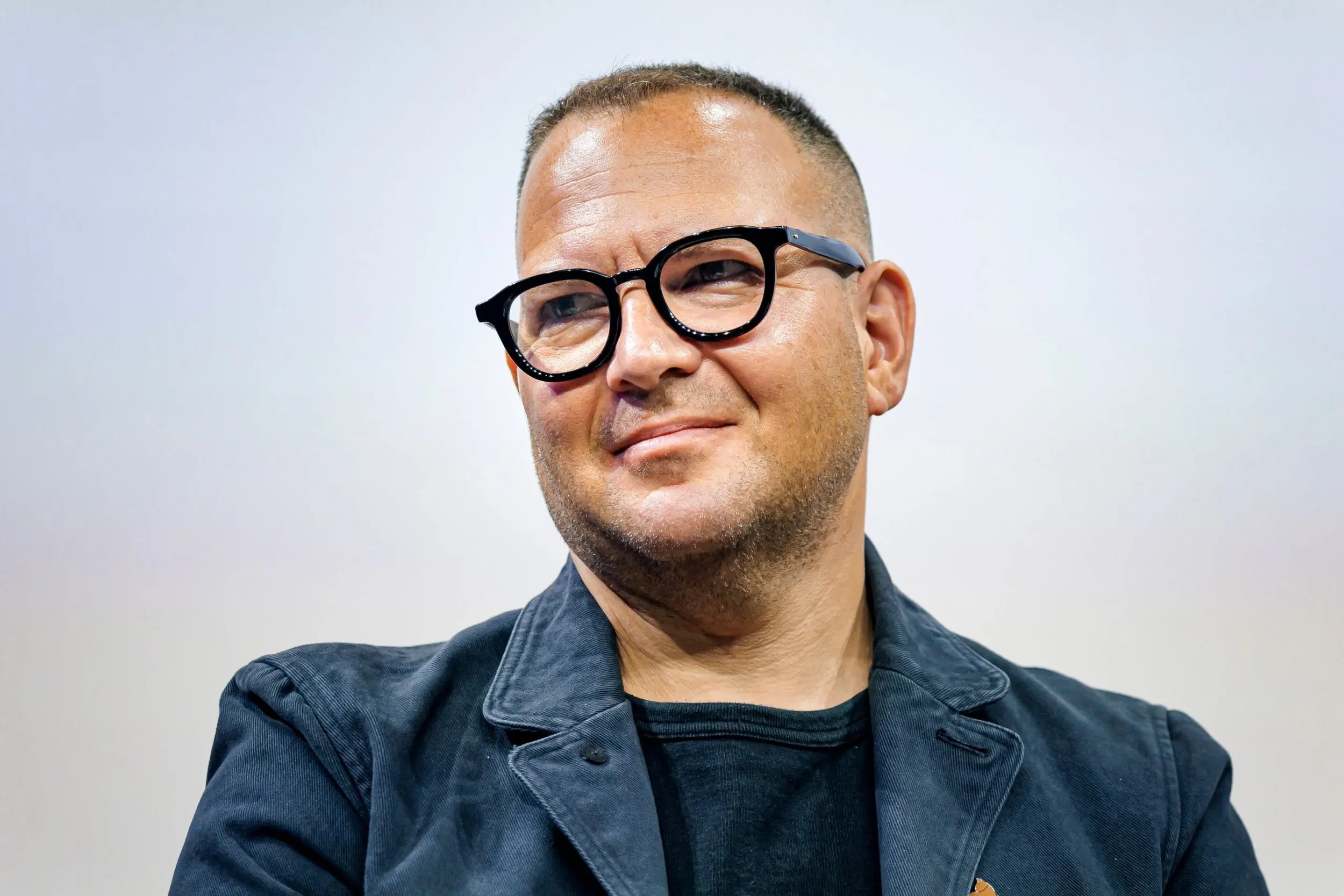
Editorial director Anita Jane argues that AI’s real danger is not superintelligence, but Big Tech’s inflated economics, concentrated power, and use of AI to turn workers and creators into tools serving machines rather than people.
Less than four years after ChatGPT’s debut, we are nowhere near understanding the role AI will play in our lives. Will it be as transformative as the internet? Will it cause mass unemployment? Will the next generation forfeit its capacity to think to AI models? Will we all soon be using AI agents to book our hotels and flights?
How to scythe through the bramble? Cory Doctorow, a science fiction novelist and one of our keenest observers of technology, is out with The Reverse Centaur’s Guide to Life After AI: How to Think About Artificial Intelligence—Before It’s Too Late, a companionable guide to the subject. Doctorow does offer some answers to the questions above. No, there will be no mass unemployment, he says. No, human cognition and creativity will remain critical. No, AI agents are unlikely to become as widespread as the hype would have us believe, in part because companies are too paranoid to give third parties free rein to index their pricing information. As for whether AI will be transformative, Doctorow believes it is useful and will continue to make our lives easier; if you consider that transformative, then yes.
Notoriously prolific, Doctorow published his AI book only nine months after his previous one, Enshittification: Why Everything Suddenly Got Worse and What to Do About It. More original and revelatory, Enshittification presents a fully developed theoretical framework for understanding how Big Tech platforms came to dominate our economy and society so thoroughly in just two decades. The Reverse Centaur’s Guide is like Herman Melville following Moby-Dick with the 50-page novella Bartleby, the Scrivener, about a bafflingly impudent clerk: a worthwhile read, but not a seminal work.
Read full article here.