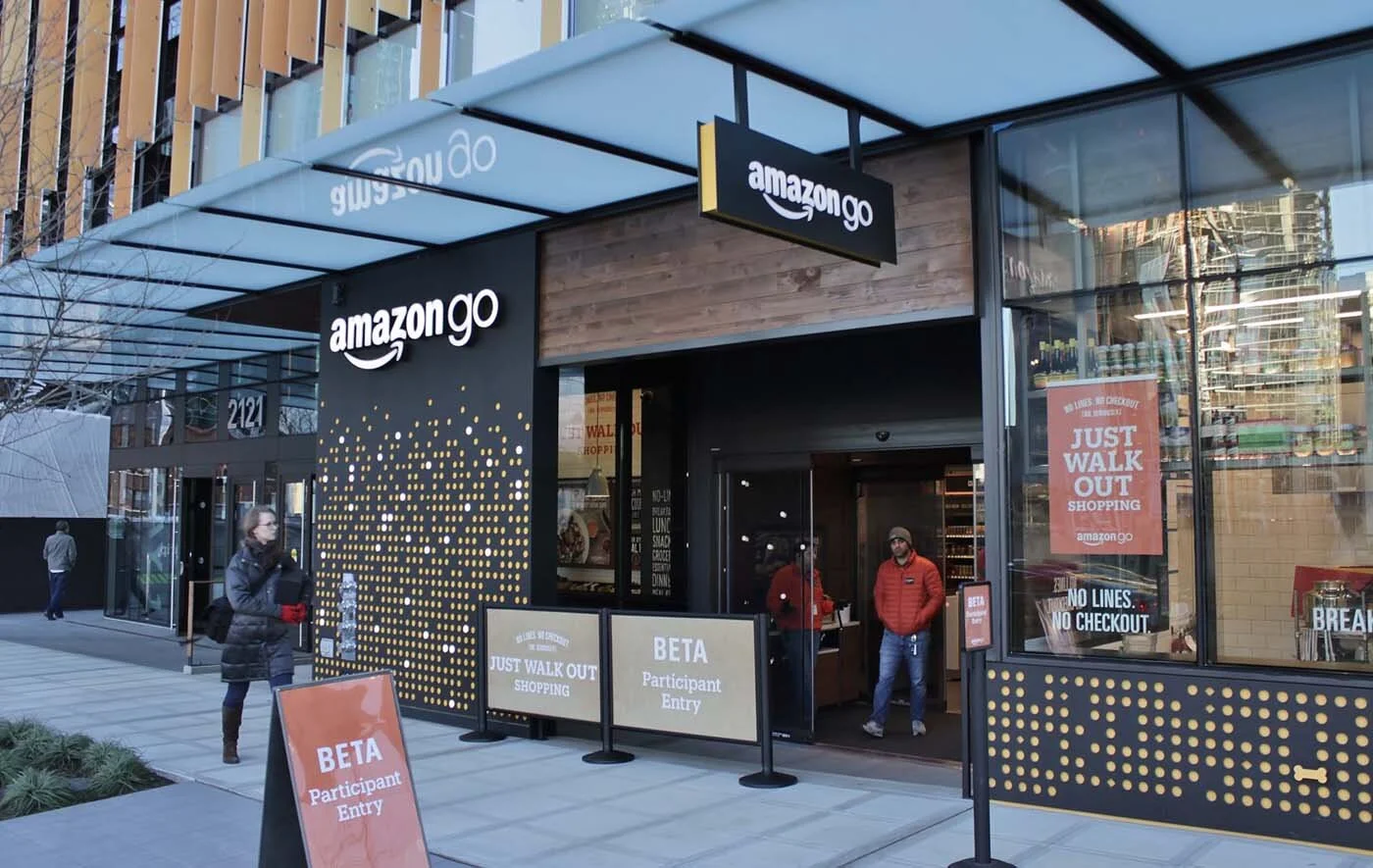
Open Markets fellow Matthew Stoller writes on the Huffington Post that Jeff Bezos has created an empire that’s quickly raising political questions. Like Google and Facebook, Amazon uses technology and data to sidestep traditional restrictions on monopoly power. Now, Bezos is attempting to add more power to his empire with the surprise announcement that the company will pay $13.7 billion for Whole Foods Market.
Read MoreAnd what it means for American democracy.
Read MoreTaking money from an investment bank in the form of a speaking fee is not immoral, it is eminently reasonable.
Read MoreSilicon Valley is the story of overthrowing entrenched interests through innovation.
Read MoreA wave of new research shows how as corporations get bigger, the share of money out there going to actual workers declines.
Read MoreHaving dominated the Democratic Party for years, the meritocrats now find themselves in a state of crisis.
Read MoreRe-embracing anti-monopoly will reinvigorate American liberty and beat back Trumpism.
Read MoreCan users of what is essentially privatized social infrastructure really log off?
Read MoreHe had opportunities to help the working class, and he passed them up.
Read MoreAlthough Amazon has clocked staggering growth, it generates meager profits, choosing to price below-cost and expand widely instead. Through this strategy, the company has positioned itself at the center of e-commerce and now serves as essential infrastructure for a host of other businesses that depend upon it.
Read MorePresident-elect Trump’s recent deal to keep factory workers employed at Indiana-based Carrier Corporation has been a public relations blitz.
Read MoreThe president-elect may seem an unlikely trust-buster, but he’s indicated an openness to reviving America’s once-robust anti-monopoly apparatus.
Read MoreThere is an inherent conflict posed in the financing of policy ideas. On the one hand, money is required to assemble the data and narratives necessary to present policy options.
Read MoreThe proposed AT&T-Time Warner merger is a watershed moment for our political system. Will we continue to allow the further concentration of economic power at the top, or will this be the moment when democracy fights back?
Read MoreIn 1938, as the country sank into recession and national unemployment hit 19 percent, President Roosevelt announced that America had a monopoly problem. In a historic speech to Congress, Roosevelt warned that extreme consolidation was hampering the economy and threatening our democracy.
Read MoreCompared to the discourse in the other party’s nomination process, the debate between Hillary Clinton and Bernie Sanders over health-care reform may have seemed thoughtful and on point.
Read MoreFollowing its mammoth deal in China, the company has an even tighter grip on ride-sharing. It may be time for antitrust officials to step in.
Read MoreOpen Markets Food & Power reporter Leah Douglass published a story on CNN examining Bayer's announcement that it intends to buy Monsanto, the world's largest seed producer. The deal could have a profound -- and negative -- effect. In short, the $62 billion deal would further concentrate power in an already highly consolidated global seed and chemical industry.
Read More