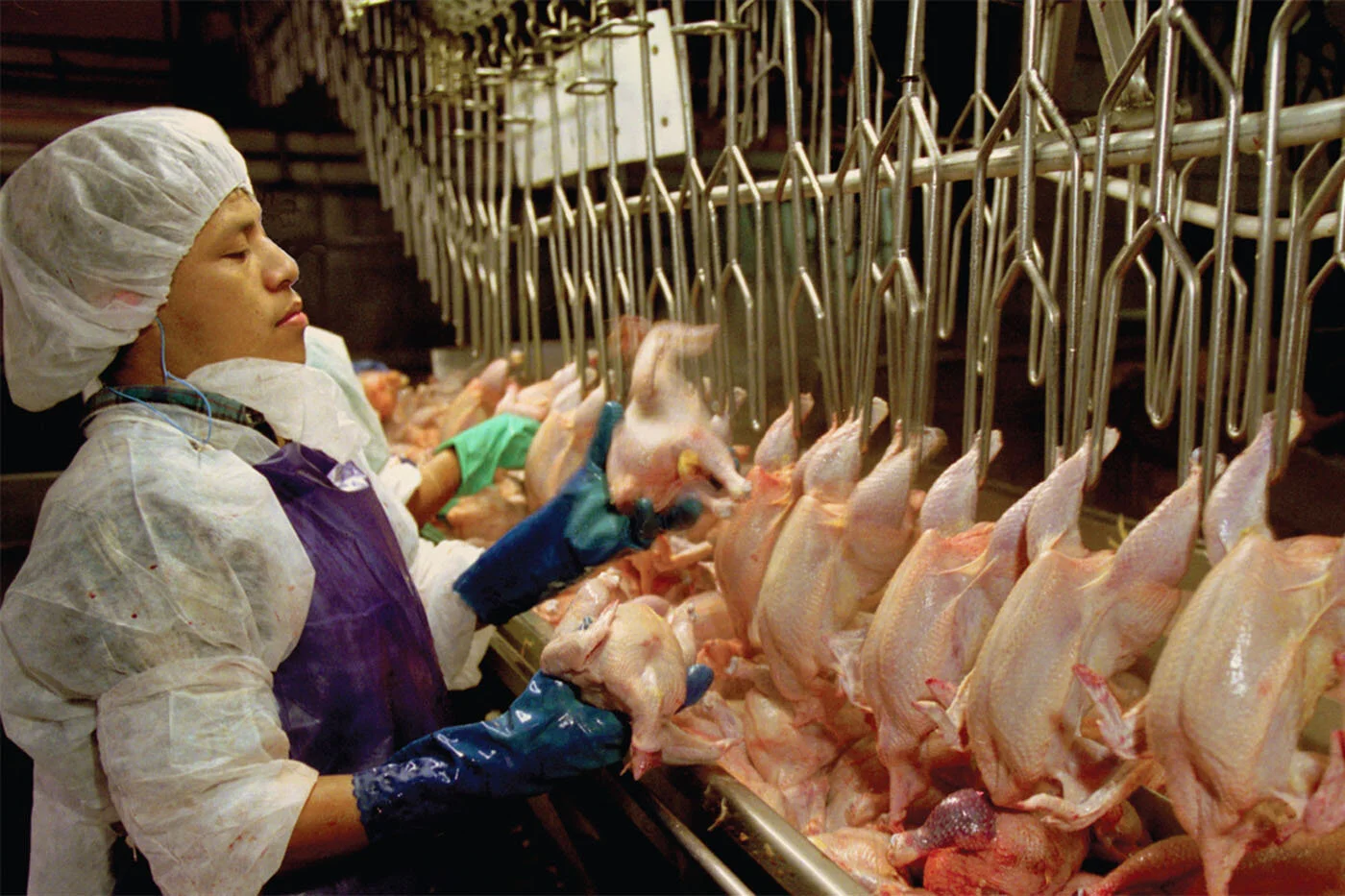
Open Markets Food & Power reporter Claire Kelloway published a story on Civil Eats about how the Trump administration cleared the way for chicken plants to increase their processing line speeds from 140 birds per minute to 175 birds per minute. The change deals a blow to workers and reverses the efforts of labor and animal welfare advocates, who fought to halt poultry line speed increases in 2014.
Read MoreHow America’s anti-monopoly laws got turned against the little guy.
Read MoreThis week’s FTC hearings on the growing power of companies like Amazon, Facebook, and Google only included economists who have taken money, directly and indirectly, from giant corporations that have a stake in the debate.
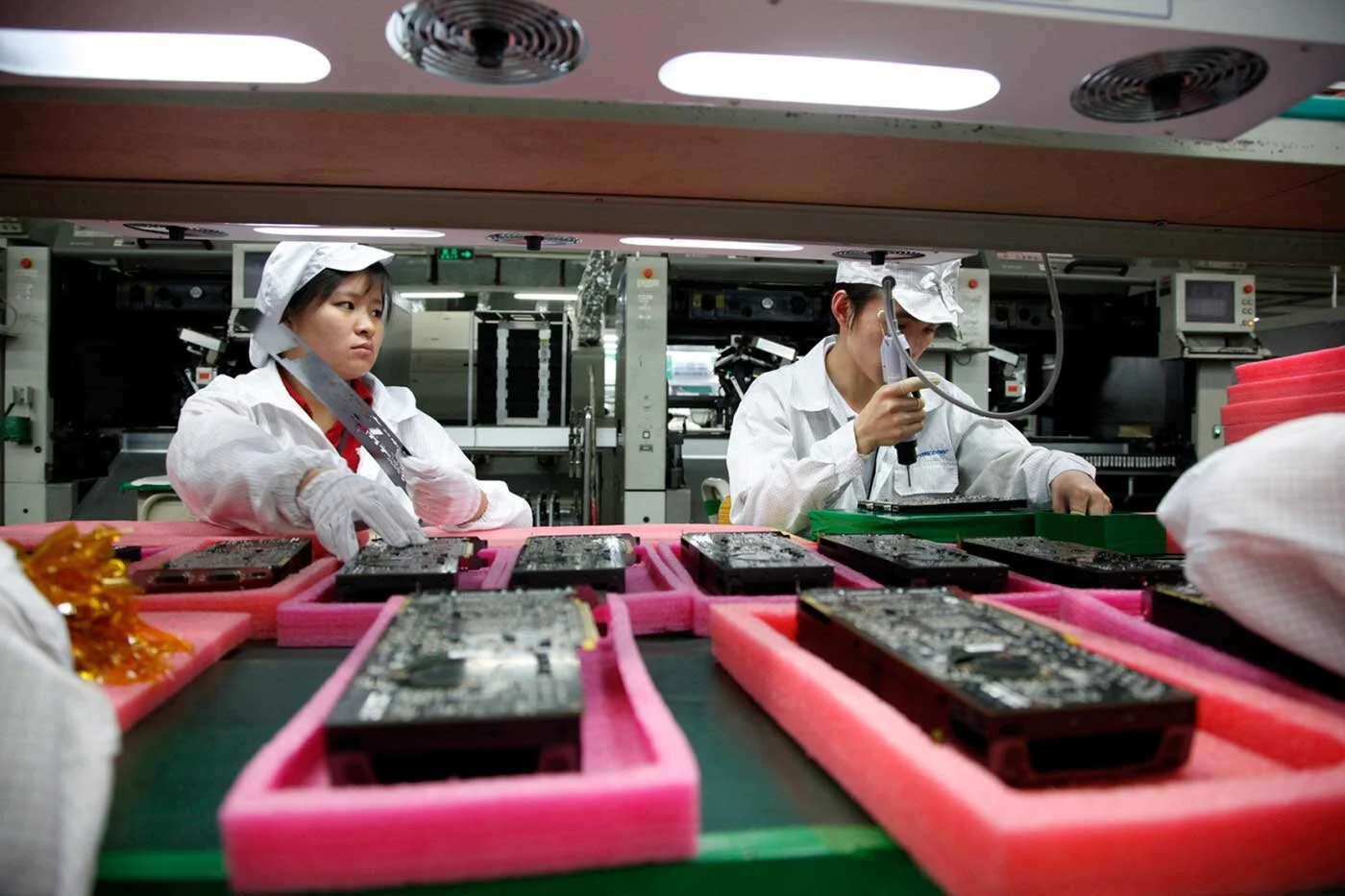
Read MoreLaissez-faire economics has left firms bending the knee to Beijing.
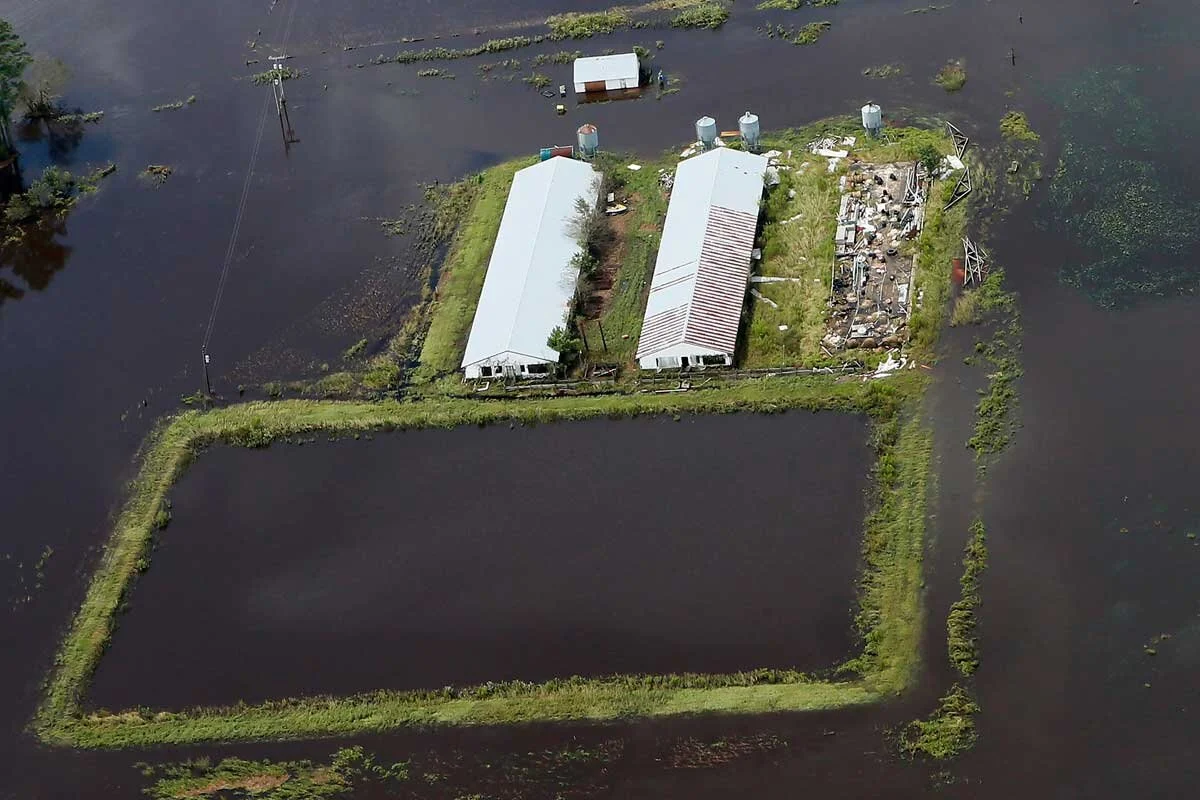
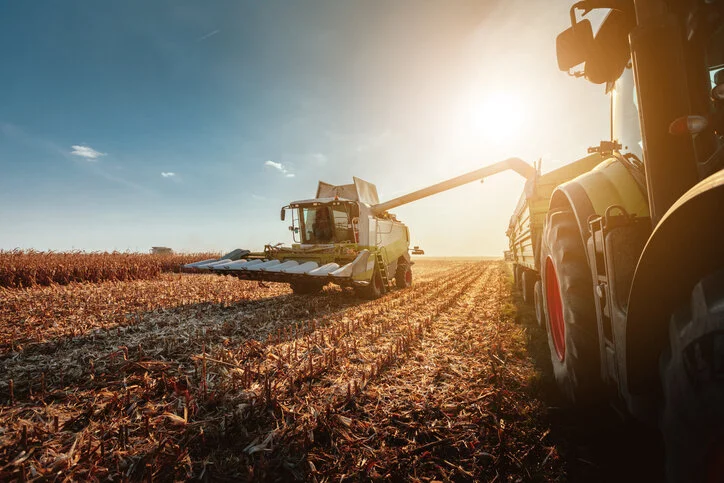
Read MoreFederal crop insurance and livestock indemnity programs mainly serve larger, industrial farms. After a disaster like Hurricane Florence, where do small farmers turn? Open Markets Food & Power reporter Claire Kelloway published a story on Civil Eats highlighting the damage done to farmers after Hurricane Florence and how the Federal crop insurance is failing small farmers.
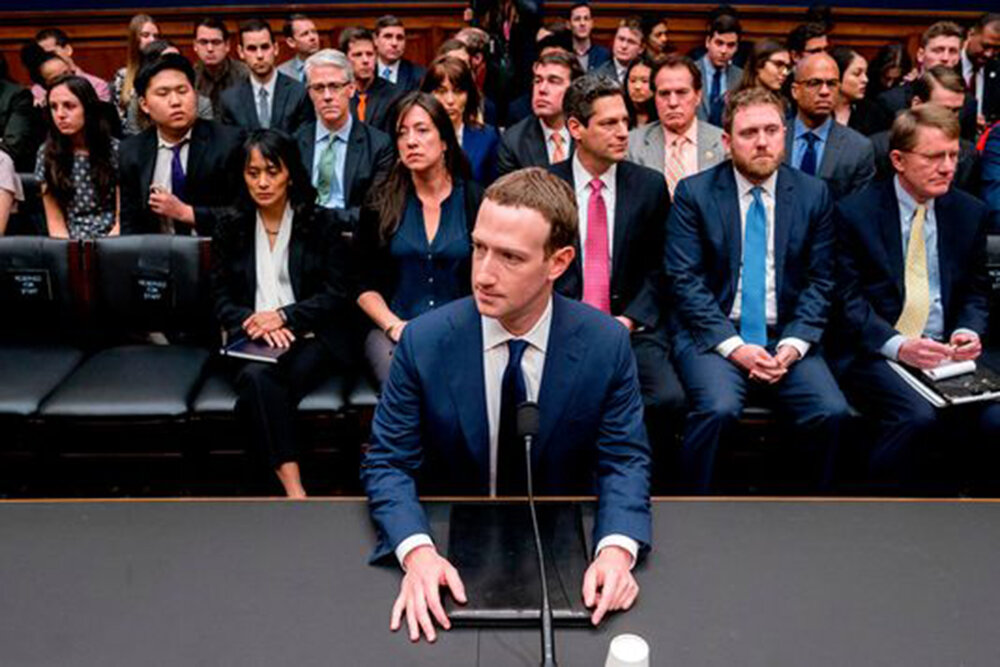
Read MoreThe Federal Trade Commission should get tough and break up Facebook. It has the power to force spinoffs of Instagram and WhatsApp, and needs to use it.
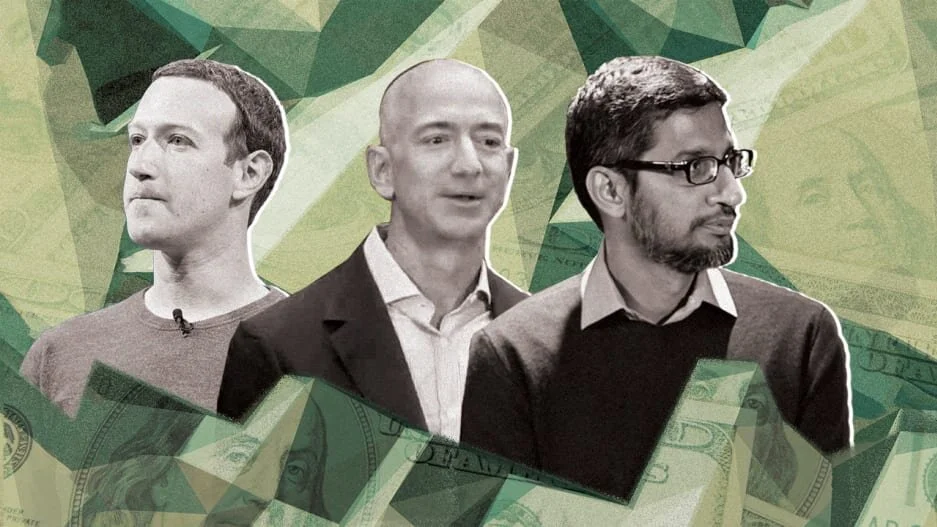
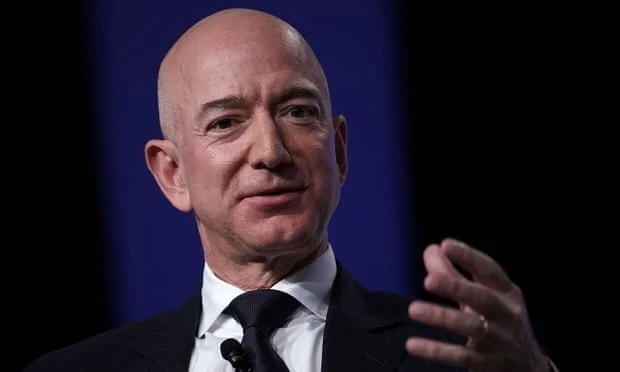
Read MoreJeff Bezos runs a powerful monopoly that causes him to exert huge power and control. We shouldn’t be praising him but tackling his power
Read MoreThe Republican line on Supreme Court nominee Brett Kavanaugh stresses his dispassion. A typical example comes from Sen. John Thune (R-S.D.), who hails Kavanaugh as a judge who does “not rewrite the rules of the game” and “who call[s] balls and strikes.”
Read MoreRead The Economist's interview with our Executive Director, Barry Lynn.
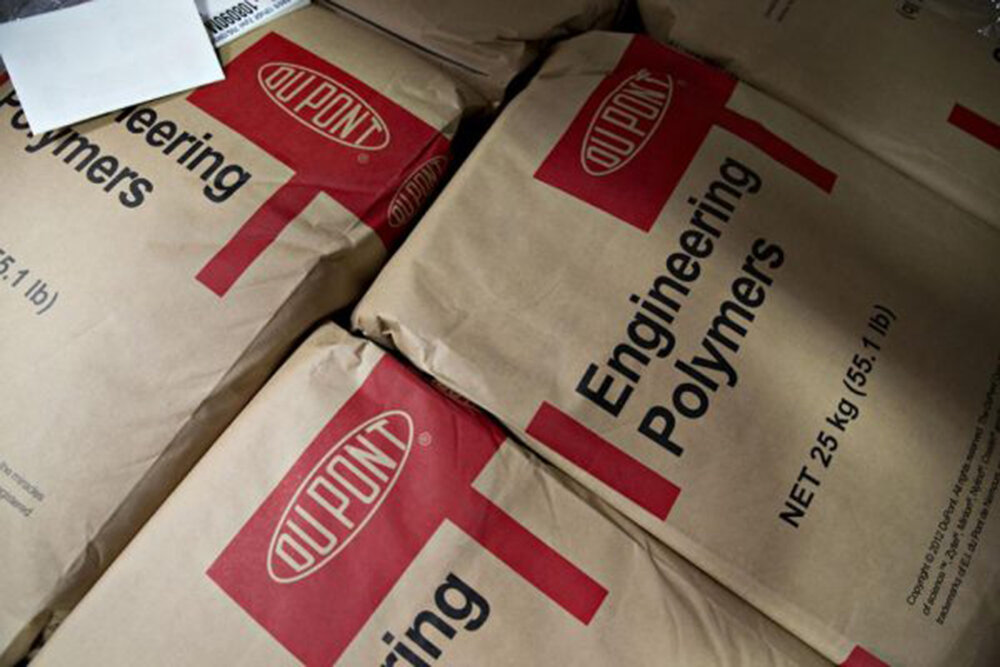
Read MoreIn his Forbes debut, Open Markets fellow Austin Frerick wrote that Senator Tom Carper's conflicts of interest may explain why he did little to oppose a merger that is bad for Delaware. DuPont merged with the Dow Chemical Company to create DowDuPont, the world's largest chemical company in terms of sales. This merger occurred amid a massive wave of consolidation in the agricultural sector.
Read MoreIn the Guardian, Barry Lynn, Executive Director explains, that as gatekeepers to the news, Google and Facebook pose dangers to even the most successful outlets.
Read More"The knee-jerk reaction to the European Union’s decision to fine Google $5.1 billion is to blame the Europeans. How can it be possible that in Europe the antitrust authorities determined that Google abused its dominance in the smartphone market when in America it did not?
Read MoreSandeep explains why an antitrust enforcer anchored in consumer welfare is an antitrust enforcer anchored in anti-labor.
Read MoreIn an article for Civil Eats, Open Markets' fellow Austin Frerick explains how the Iowa Farm Bureau is hurting rural communities. Although it was created to advocate for farmers and rural communities and is registered as a non-profit corporation, it now receives 84 percent of its revenue from its for-profit insurance arm, the FBL Financial Group, which controlled $10.1 billion in assets in 2017 alone. Its holdings include millions of dollars of investments in large agribusiness conglomerates like Monsanto and Tyson.
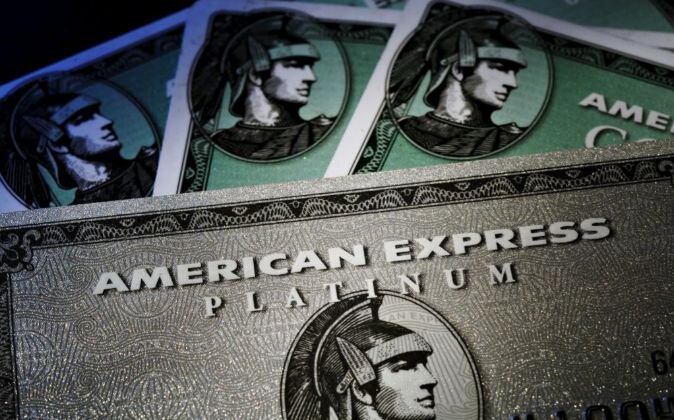
Read MoreIn the Take Care blog, Lina Khan explains why the SCOTUS decision on AmEx shows stunning disregard for traditional antitrust principles.
Read MoreIn an article for Vice, Open Markets Food & Power reporter Claire Kelloway explains why from hot dogs to beer to chips and even charcoal, you don’t have much of a choice in whom you pay to celebrate. Even though the average grocery store carries tens of thousands of products, Americans' Independence Day shopping dollars overwhelmingly go to a tiny number of enormous companies.
Read MoreLina Khan explains how the decision in favor of American Express will make it easier for big tech companies to pressure workers, suppliers, and customers.
Read MoreSandeep explains how antitrust laws are being used an anti-worker tool.
Read More