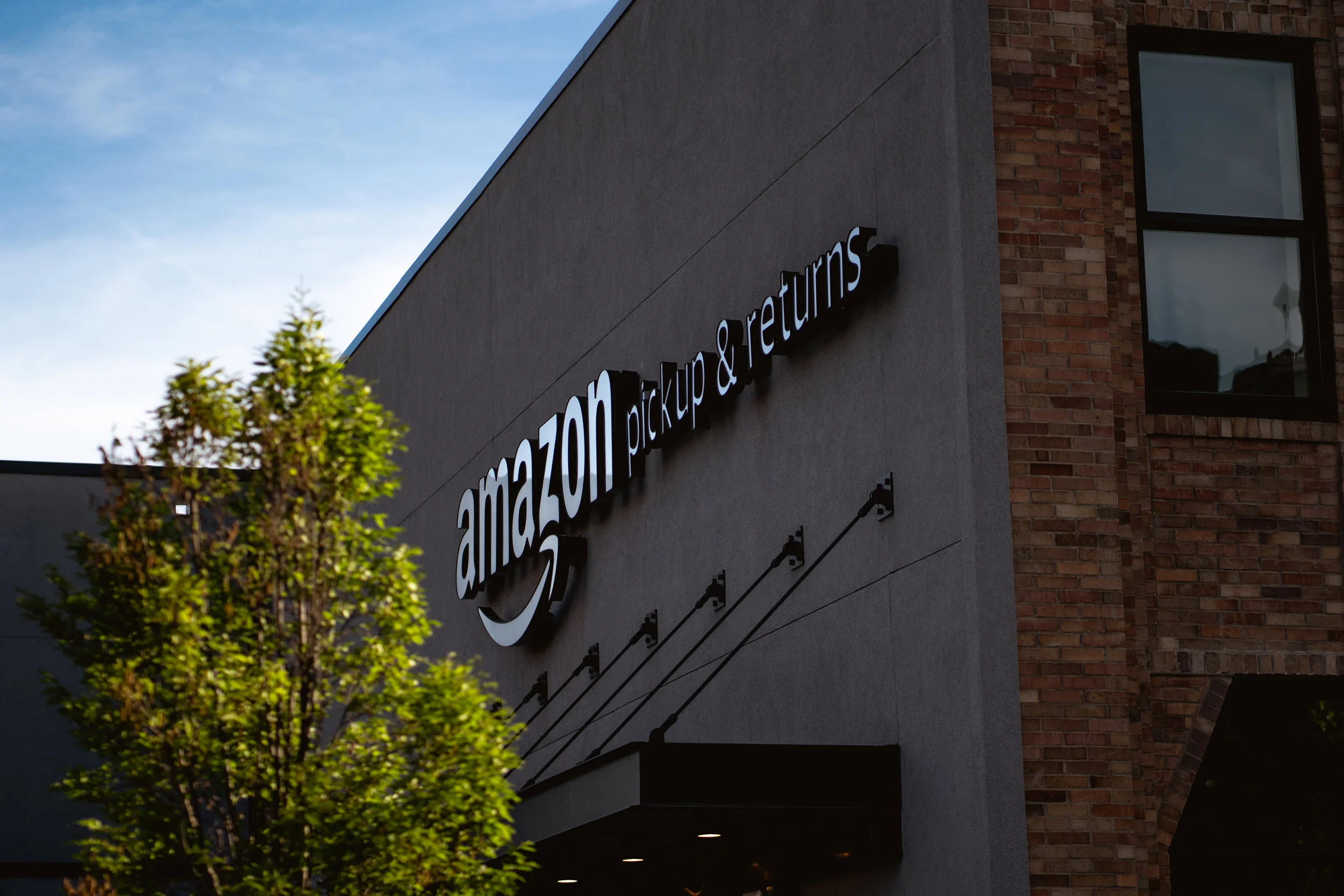
Amid news that Amazon pulled out of building its corporate campus in New York City thanks to bad press and the work of grassroots activists and local opposition lawmakers calling out the bad deal, Open Markets board member Zephyr Teachout writes on NBC News that people are fed up with big corporations bullying their employees and our elected officials. They're going to keep fighting back.
Read MoreHow one of Mark Zuckerberg’s mentors helped billionaire philanthropist George Soros write the Davos speech at the center of another Facebook controversy. Open Markets Institute advisory board member Roger McNamee reflects on Facebook on Fast Company.

Read MoreOpen Markets fellow Austin Frerick writes on Forbes magazine that when policymakers talk about “green jobs,” they tend to default to examples in solar power, wind and other sources of renewable energy—or perhaps manufacturing and supply chain management. They’re less likely to talk about agriculture.
Read MoreThe Democratic Party’s loyalty to plutocrats led to political disaster. But many of its leaders won’t change their ways.
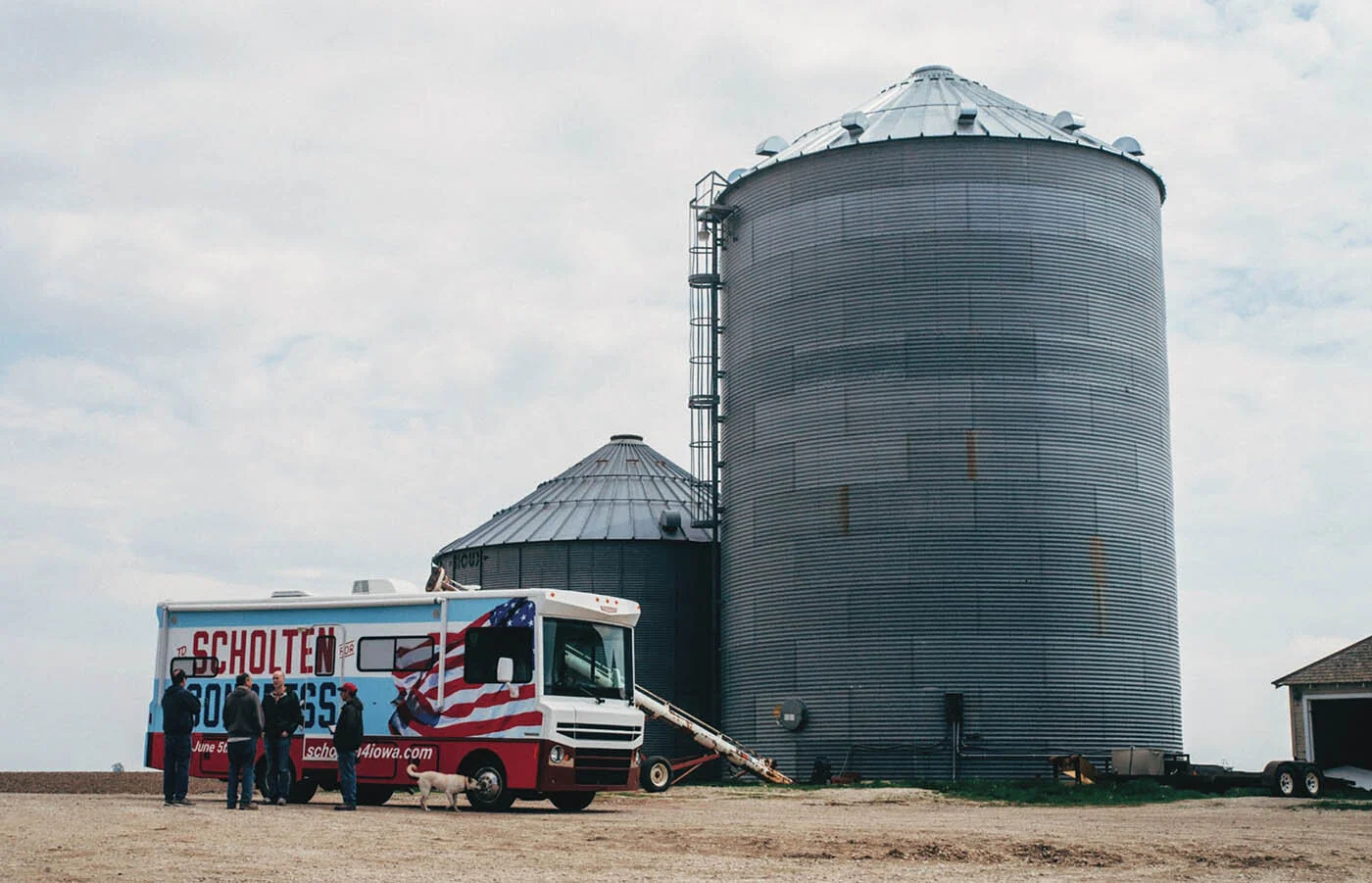
Read MoreIn Claire Kelloway’s article “How to Close the Democrats’ Rural Gap” in the January/February issue of The Washington Monthly, she argues that antitrust needs to be part of this solution. She writes, “the biggest cause of growing regional inequality isn’t technology; it’s changes in public policy, embraced by both parties, that have enabled predatory monopolies to strip wealth away from farmers and rural communities and transfer it to America’s snazziest zip codes.”
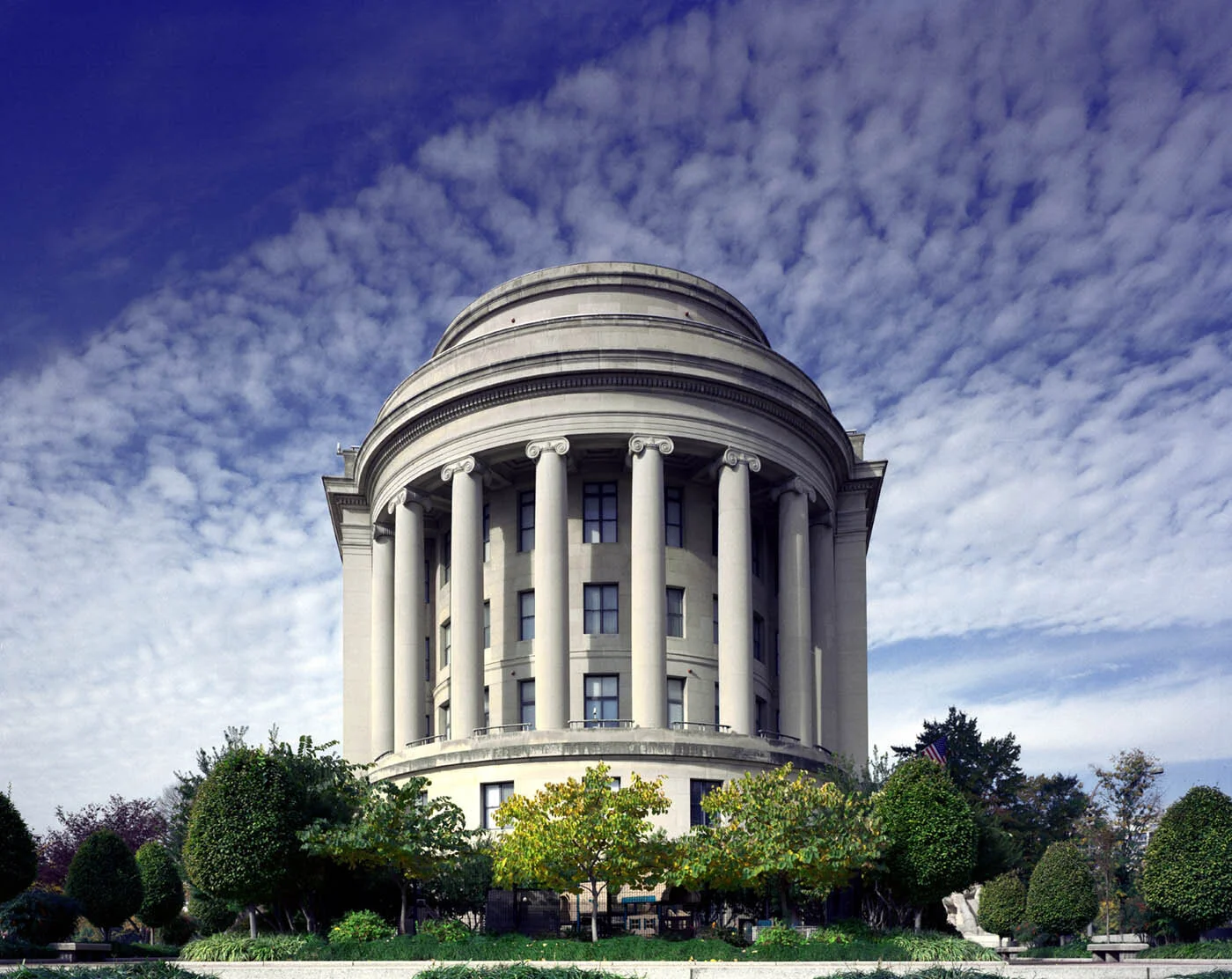
Read MoreA century ago, reformers gave the Federal Trade Commission extraordinary powers to take on abusive corporations. It’s time to wake the agency up.
A city that thrives on the energy of its neighborhood merchants should not offer incentives and giveaways to an internet giant known for squashing small businesses.
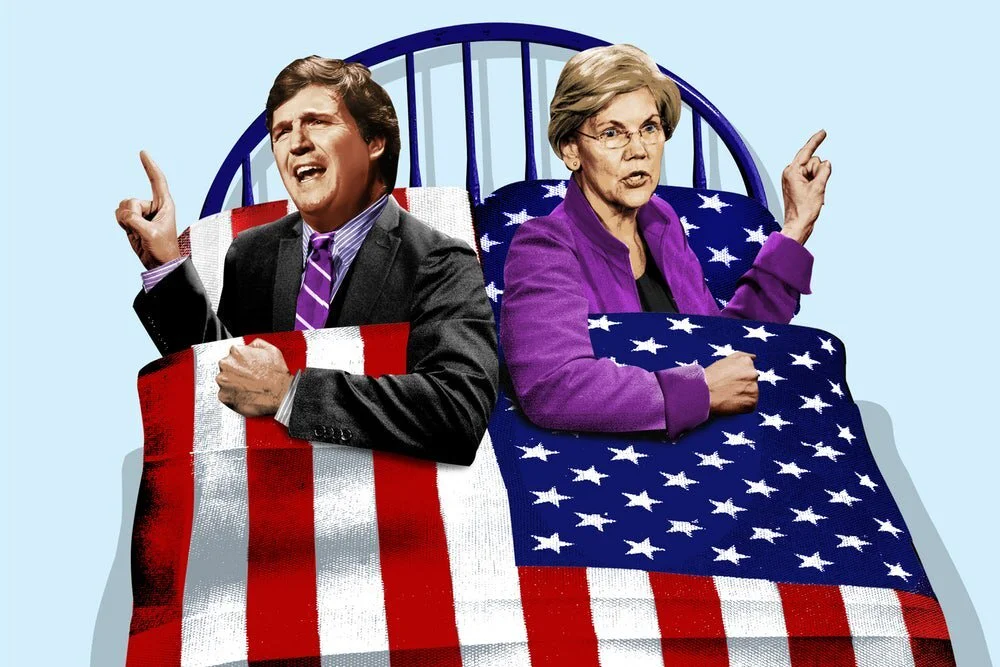
Read MoreEven Tucker Carlson and Goldman Sachs are talking about the pernicious impact of monopolies in the U.S.
Read MoreFundamentally rebuilding our democracy means engineering our corporations and markets to enable the freedom of the producer from the domination by the monopolist or financier.
Read MoreIn this post, we will explain why licensing’s mix of consumer protection and labor market stabilization is a legitimate policy option for a wide range of occupations.
Read MoreIn this post, we cover the basics of licensing, and then reframe current attacks on it.
Read MoreAt the root of rural America’s angst are small towns whose economies have been taken over by a handful of predatory multinationals.
Read MoreMatthew Buck , reporter-researcher for the Open Markets Institute, writes in The Washington Monthly about the monopolization of America’s railroads.
Read MoreSince the 1970s, the US has seen a growing power imbalance between workers and employers. This story was not inevitable, but the product of conscious legal and political choices.
Read MoreThe government tamed AT&T into behaving like a utility. It’s time to stop letting Facebook run wild.
Read MoreFor the last year, public officials across America and Canada have held an embarrassing beauty contest to entice Amazon to place its so-called “second headquarters” in their region.
Read MoreIn The New York Times, Open Markets board member Zephyr Teachout writes that a city that thrives on the energy of its neighborhood merchants should not offer incentives and giveaways to an internet giant known for squashing small businesses.
Read MoreOpen Markets Food & Power reporter Claire Kelloway covers the story of a lawsuit by seven corporate agriculture interest groups against the Minnesota Pollution Control Agency (MPCA) to halt the extension of a public comment period on a proposed mega-dairy expansion in Winona County, Minnesota. The suit highlights broader efforts by agribusiness to silence opposition from rural residents who speak out against large concentrated animal feeding operations in their communities. Her story from Food & Power, re-published on The Fern, is available here.
Read More