Open Markets Institute on ProMarket proposes a system of simple rules that complies with the traditional American approach to protecting and restructuring an open and democratic society, With the five key planks discussed in this article, OMI offers an opportunity to reinstate antimonopoly through this bright-line initiative. With clear objective to reimpose America’s open democracy, the Open Markets team declares, “From the first, effective antimonopoly policy has relied on simple, bright-line rules. Today again, a comprehensive set of simple structural limitations— implemented through legislation, regulation, and policy guidance—is critical to protecting our democracy and our most fundamental liberties.”
Read MoreOpen Markets Legal Director Sandeep Vaheesan published an op-ed on Financial Times' Alphaville explaining why America's prosperity depends on stopping mega mergers. He looks at the proposed T-Mobile-Sprint merger and makes the case as to how this merger will not only further concentrate and wireless market from four big players to three but subsequently harm the public by raising prices and workers in the industry by resulting in lower wages.

Read MoreOpen Markets' Food & Power reporter Claire Kelloway published a feature on Talk Poverty about how the meat processing industry is about to get a lot worse thanks to a new pork inspection rule the Trump administration is seeking to pass. The new rule would have inspection lines run even faster and plant employees will have to take responsibility for visual inspection of meat, putting workers and eaters at risk.
Read MoreOpen Markets Editorial and Policy Director Phil Longman published a feature piece on the Washington Monthly explaining how corporations primary objective in collecting your personal data is to gouge you. He explains how today's big tech platforms are no different from historic network industries — railroads and the telegraph — and how considering price discrimination should be an important standard in the national privacy debate.
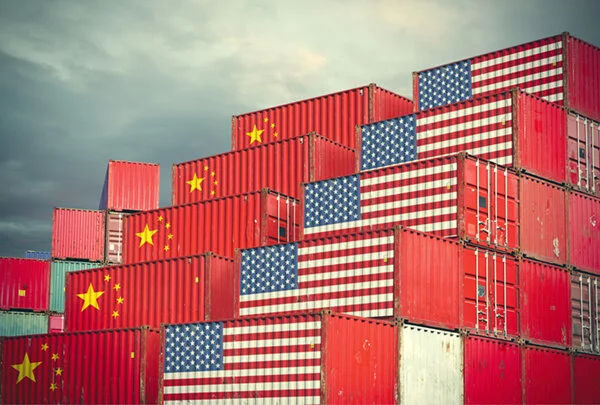
Read MoreAmid controversy over President Trump's "new NAFTA", Open Markets fellow Beth Baltzan joins the trade debate with a groundbreaking essay on the Washington Monthly calling for a bold rethink of America’s trade policies to curb corporate power, protect workers and the environment.
Read MoreOpen Markets reporter Matthew Buck and Legal Director Sandeep Vaheesan publish an op-ed on The New York Times highlighting that while President Trump's tweets criticize Facebook and Google, the Antitrust Division of the Justice Department is making life easier for potential monopolists in Silicon Valley.
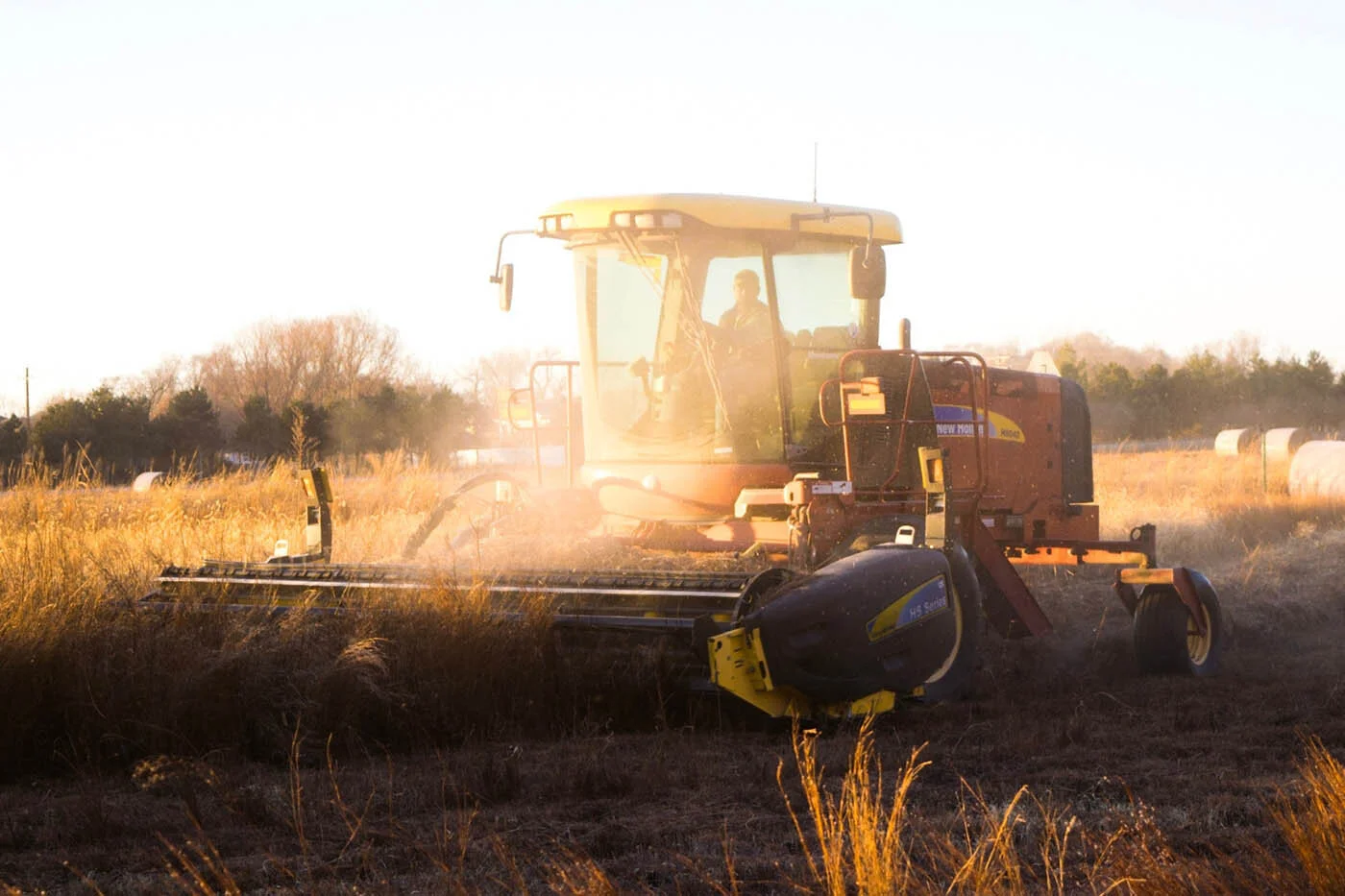
Read MoreOpen Markets fellow Austin Frerick argues on The American Conservative that America’s agricultural system has become extractive, and more and more of the profits are flowing to a few. It is little wonder that monopolies and corporate farms have grown more powerful at the expense of workers and family farmers.
Read MoreAmazon pulled out of its deal to build a corporate campus in New York City amid bad press, grassroots activists and local opposition lawmakers calling out the bad deal. Matt Stoller writes on The Guardian that Simply saying ‘no’ to its headquarters isn’t enough – Amazon should be investigated for abusing monopoly power.
Read MoreAmid news that Amazon pulled out of building its corporate campus in New York City thanks to bad press and the work of grassroots activists and local opposition lawmakers calling out the bad deal, Open Markets board member Zephyr Teachout writes on NBC News that people are fed up with big corporations bullying their employees and our elected officials. They're going to keep fighting back.
Read MoreHow one of Mark Zuckerberg’s mentors helped billionaire philanthropist George Soros write the Davos speech at the center of another Facebook controversy. Open Markets Institute advisory board member Roger McNamee reflects on Facebook on Fast Company.
Read MoreOpen Markets fellow Austin Frerick writes on Forbes magazine that when policymakers talk about “green jobs,” they tend to default to examples in solar power, wind and other sources of renewable energy—or perhaps manufacturing and supply chain management. They’re less likely to talk about agriculture.
Read MoreThe Democratic Party’s loyalty to plutocrats led to political disaster. But many of its leaders won’t change their ways.
Read MoreIn Claire Kelloway’s article “How to Close the Democrats’ Rural Gap” in the January/February issue of The Washington Monthly, she argues that antitrust needs to be part of this solution. She writes, “the biggest cause of growing regional inequality isn’t technology; it’s changes in public policy, embraced by both parties, that have enabled predatory monopolies to strip wealth away from farmers and rural communities and transfer it to America’s snazziest zip codes.”
Read MoreA century ago, reformers gave the Federal Trade Commission extraordinary powers to take on abusive corporations. It’s time to wake the agency up.
A city that thrives on the energy of its neighborhood merchants should not offer incentives and giveaways to an internet giant known for squashing small businesses.
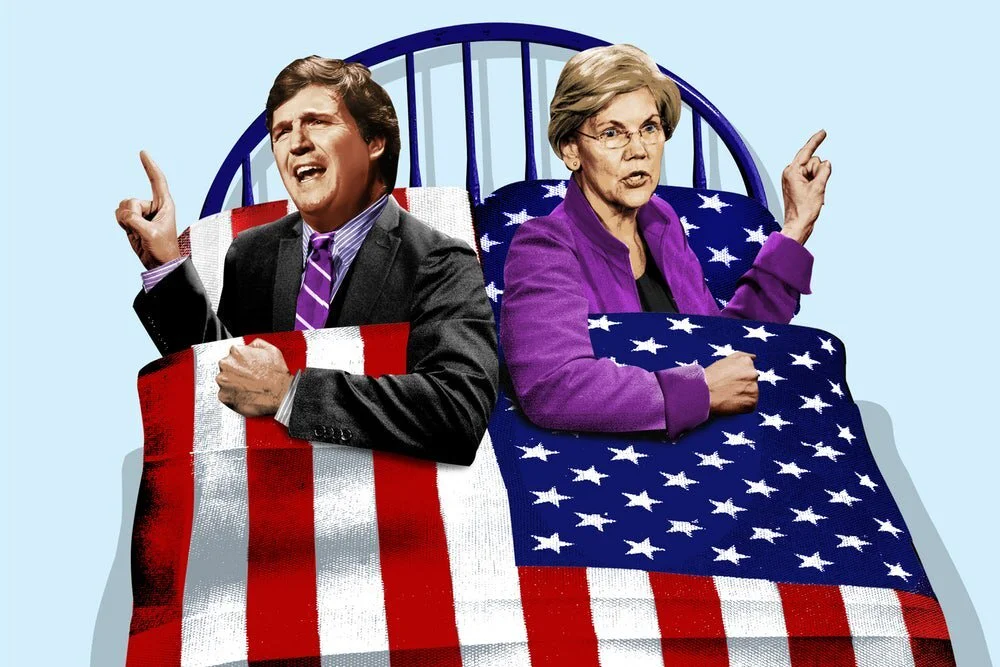
Read MoreEven Tucker Carlson and Goldman Sachs are talking about the pernicious impact of monopolies in the U.S.
Read MoreFundamentally rebuilding our democracy means engineering our corporations and markets to enable the freedom of the producer from the domination by the monopolist or financier.
Read MoreIn this post, we will explain why licensing’s mix of consumer protection and labor market stabilization is a legitimate policy option for a wide range of occupations.
Read More