
Open Markets Food & Power researcher and reporter Claire Kelloway published an op-ed on the Washington Monthly on November 21, 2019 on how America’s biggest dairy co-op is trying to become even bigger. Kelloway writes that one critical reason dairy farms feel pressure to consolidate is because milk retailers, buyers, and, processors have spent years consolidating around them. Now, a merger between major milk monopolists threatens to deal another blow to ailing dairy farmers, and its not clear if federal enforcers will do anything to stop it.
Read MoreOpen Markets' Sandeep Vaheesan and Claire Kelloway published a piece on The American Prospect on November 21, 2019 calling for a fair labor market for food chain workers. An overwhelmingly disenfranchised immigrant workforce and corporate collusion and concentration define work in food and agriculture today, they assert. Reforming these labor markets is essential.
Read MoreOpen Markets Fellow Matt Stoller published a piece on Pro-Market on November 13, 2019 writing that the corruption exposed by Israeli antimonopolists has been a key driver of Benjamin Netanyahu’s current political woes. "If Israelis, in one of the most complex geopolitical situations in the world, can address their oligarchs, then people everywhere can do it too," Stoller writes.
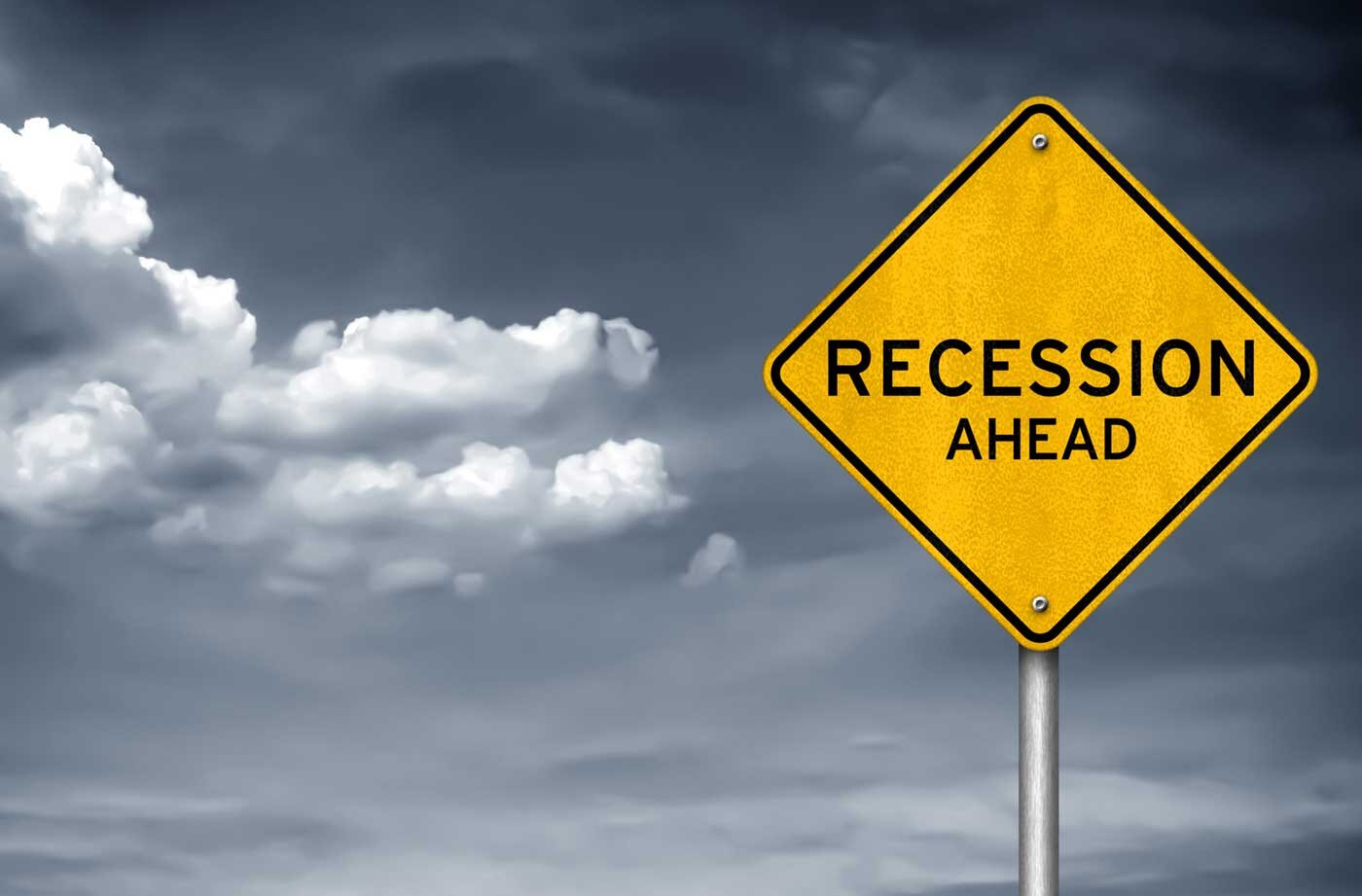
Read MoreProf. Sanjukta Paul and Sandeep Vaheesan published a piece on The Nation asserting that the response to the next recession should put economic power back in the hands of the people. “Rebuilding antitrust law is an essential element of the progressive economic policy agenda,” the write. “Antitrust should be part of a suite of reforms in the Green New Deal—something that we sorely need, no matter when or how hard the next recession hits.”
Read MoreOpen Markets Fellow Matt Stoller writes that American workers are increasingly bored and disillusioned, locked in increasingly centralized castles of lazy profit. Some are mistreated, but for even the most scientifically in demand, luxurious poké bowls don’t substitute for doing meaningful work. But he asserts it’s time to set American producers free once again to solve real problems. We’ve done it before. It’s called competition.
Read MoreFast Company published an excerpt from Matt Stoller’s new book, ‘Goliath: The 100-Year War Between Monopoly Power and Democracy.’ In it, Stoller describes how Microsoft avoided the fate of IBM, which was constantly under threat by antitrust authorities.
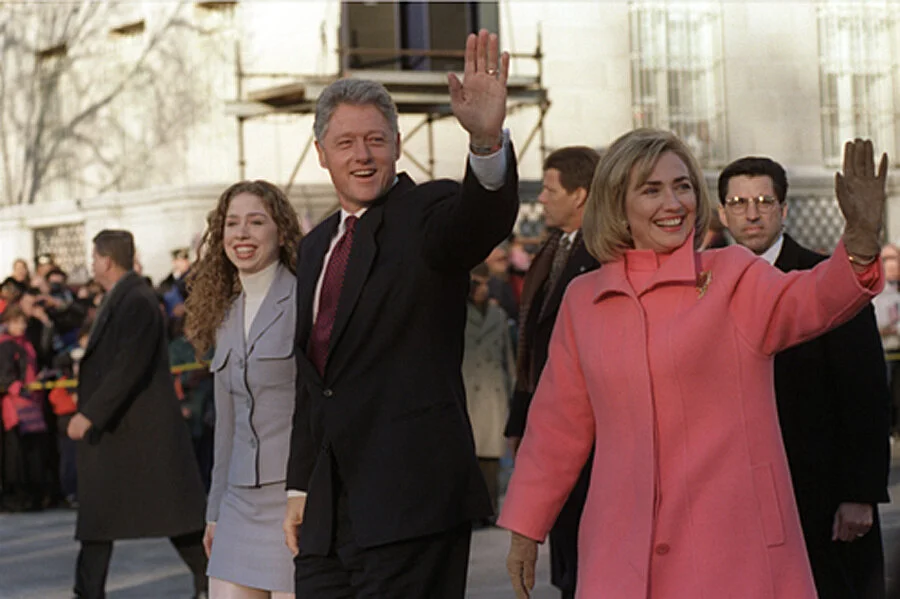
Read MoreIn this excerpt of his new book "Goliath: The 100-Year War Between Monopoly Power and Democracy," Open Markets Fellow Matt Stoller explains how the "new" Democrats like Dale Bumpers and Bill Clinton of Arkansas worked to rid their state of the usury caps meant to protect the "plain people" from the banker and financier. The Democratic Party embraced not just the tactics, but the ideology of the Chicago School.
Read MoreIn this op-ed for the New York Times, Open Markets Fellow Matt Stoller spotlights how advertising revenue that used to go to quality journalism is now captured by big tech intermediaries, and some of that money now goes to dishonest, low-quality and fraudulent content. "The collapse of journalism and democracy in the face of the internet is not inevitable," he argues. "To save democracy and the free press, we must eliminate Google and Facebook’s control over the information commons."
Read MoreUber, Facebook, and Google are increasingly behaving like the law-flouting financial empires of the 1920s, asserts Open Markets Fellow Matt Stoller. We know how that turned out. "The rule of law is a precious political achievement of liberal democracy," Stoller writes. "It doesn’t just happen. We the people, along with elected public servants, have to make it happen. "
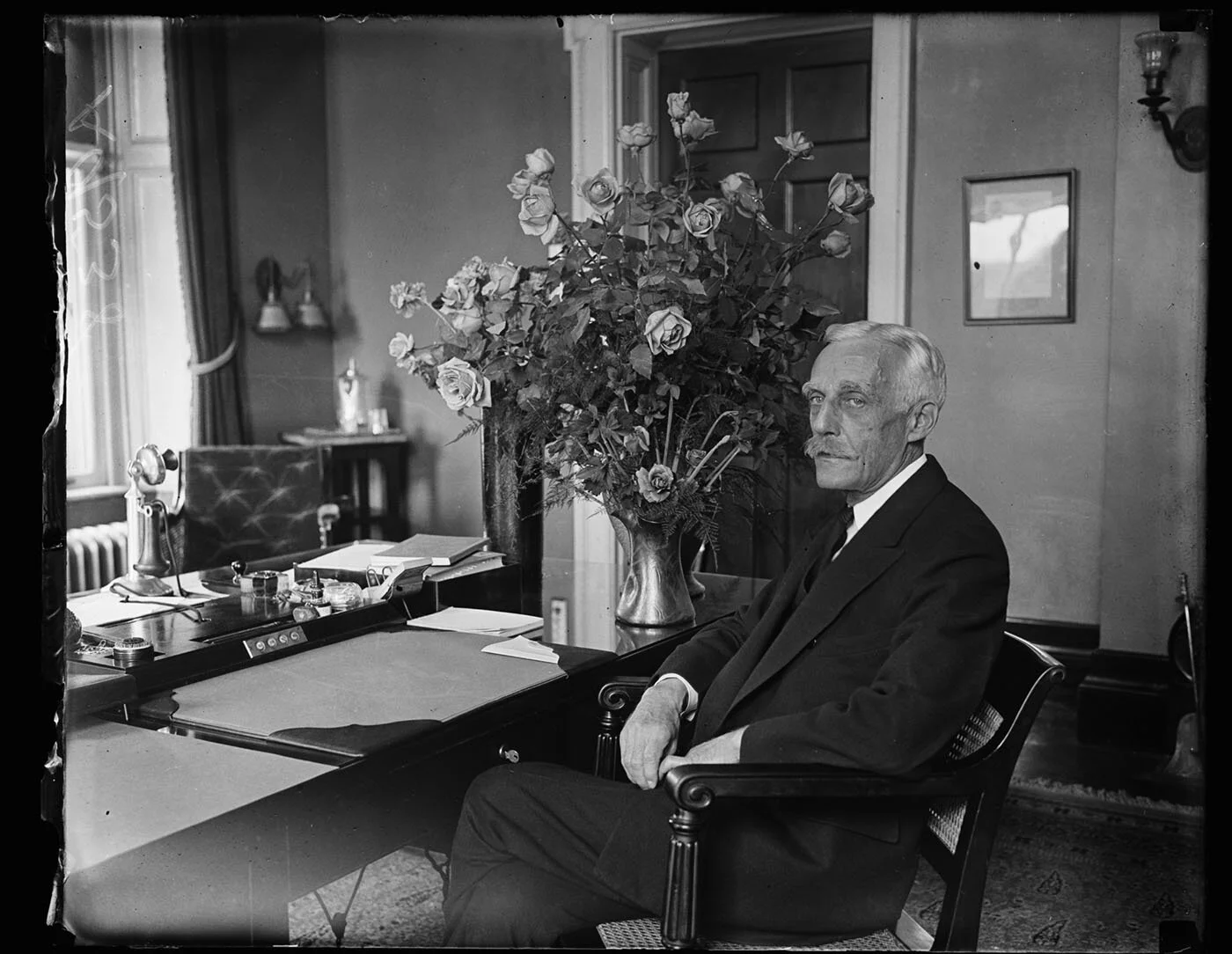
Read MoreHe was America’s most powerful businessman and the Treasury secretary throughout the 1920s. His corruption would lead to an impeachment inquiry. This is an exclusive excerpt for The American Prospect from the new book 'Goliath: The 100-Year War Between Monopoly Power and Democracy', by Open Markets Fellow Matt Stoller, out this month from Simon & Schuster.
Read MoreOpen Markets Senior Fellow Matt Stoller publishes an adapted excerpt of his book "Goliath: The 100-Year War Between Monopoly Power and Democracy" on the Wall Street Journal. He asserts the loudest complaints against today’s monopolies come not from Occupy Wall Street types but from leaders of firms seeking freedom of commerce.
Read MoreOpen Markets Health Care Researcher and Reporter Olivia Webb writes on The American Prospect about how investment firms have bought up emergency medical service companies, squeezing soaring profits from vulnerable patients. "The Great Recession created an opportunity to financialize the practice of lifesaving emergency transport," she writes. "After 2008, a number of private equity firms moved to take over ambulance and air ambulance providers."
Open Markets Legal Director Sandeep Vaheesan argues on The American Prospect that corporate power can be neutralized if federal agencies simply used the prodigious authority they’ve been granted. "The president already has extraordinary authority under decades-old statutes," Vaheesan writes. "The question is will he or she appoint officials—to the Department of Justice (DOJ) Antitrust Division, Federal Trade Commission (FTC), U.S. Department of Agriculture (USDA), and other agencies—determined to tame corporate dominance of our economy and politics."
Open Markets Senior Fellow Matt Stoller published a piece on The Guardian on the heels of news that U.S. state attorneys general are launching a bipartisan investigation into Facebook and Google. “These corporations have become too powerful to be contained by democratic societies,” he writes. “We must work through our government to break them up and regulate our information commons, or they will end up becoming our government and choosing what we see and know about the world around us.”
Read MoreOpen Markets Legal Director Sandeep Vaheesan asserts that fine print isn’t “voluntary” and we should overhaul our thinking about contractual agreements. In this piece for Current Affairs, Vaheesan explores how we are subject to a dense web of contracts that grant us—or (more often) deprive us of—rights. He argues that against corporate power, Congress must wield its power to ban abusive contractual provisions.
Read MoreIn this piece for The Atlantic, Nathan Schneider and Open Markets Legal Director Sandeep Vaheesan argue that tougher regulation will help to fight monopoly, but workers and small businesses also need the ability to join forces against corporate power. "Collective power—that is, allowing independent workers and small businesses to collaborate to negotiate better treatment from megacorporations, or to start enterprises of their own—should be a pillar of creating an equitable economy," they assert.
Read MoreOpen Markets Director of Enforcement Strategy Sally Hubbard published an op-ed on CNN Business on the Federal Trade Commission’s $5 billion settlement with Facebook and asserts that the company needs a new business model. “Instead of fines, changing destructive business models and anticompetitive practices is the only way to lessen the platforms’ harms,” Hubbard writes. “These fixes fall into four main buckets, spelling out the acronym PAIN: privacy, antitrust, interoperability, and non-discrimination.”
Read MoreIn this third and final part of his three-part series on the resurgence of antimonopoly for Pro-Markets, Open Markets Senior Fellow Matt Stoller explains how the election of Donald Trump helped bring antimonopoly thinking back to the forefront of political discourse. “The most important political figures in the return of antimonopoly politics are Elizabeth Warren and Donald Trump,” asserts Stoller. “There are many people in Europe, India, and Australia making critical policy choices, but in terms of setting the boundaries of what is possible, it is Warren and Trump who have re-politicized this area.”
Read More