
In this issue of The Corner we look at one of the Trump Administration's first attempts to impose tariffs, and its disastrous effects on the aerospace industry; highlight new studies that confirm the role of labor monopsony in driving down wages; and explore what a Wired cover story on Facebook missed.
Read MoreLina Khan published an op-ed in the New York Times explaining how the Ohio v. American Express Supreme Court case could shield tech corporations like Amazon, Google, and Facebook from antitrust scrutiny.

Read MoreLina Khan explains the weight of the decision in Ohio v. American Express.
Read MoreTim Wu, Open Markets advisory board member, writes in the New York Times about how an emphasis on consumer convenience can foster monopoly and homogeneity.
Read MoreMargrethe Vestager, the European Union’s top antitrust enforcer, appears also to be focusing on how much control a combined Bayer-Monsanto would have over the data generated from private farms.
Read MoreIn this issue of The Corner, we explain how a recent congressional hearing signals bipartisan support for more aggressive antitrust enforcement, examine New York Mayor Bill de Blasio's failure to protect his constituents from Uber's predatory behavior, and highlight the monopolization of the student loan servicing industry.
Read MoreCommodity trader Archer Daniel Midlands (ADM) is in advanced talks to purchase fellow commodity trader Bunge, Bloomberg reported this week. That deal, if completed, would create a $34 billion grain company rivaling Cargill, the world's most dominant trading house
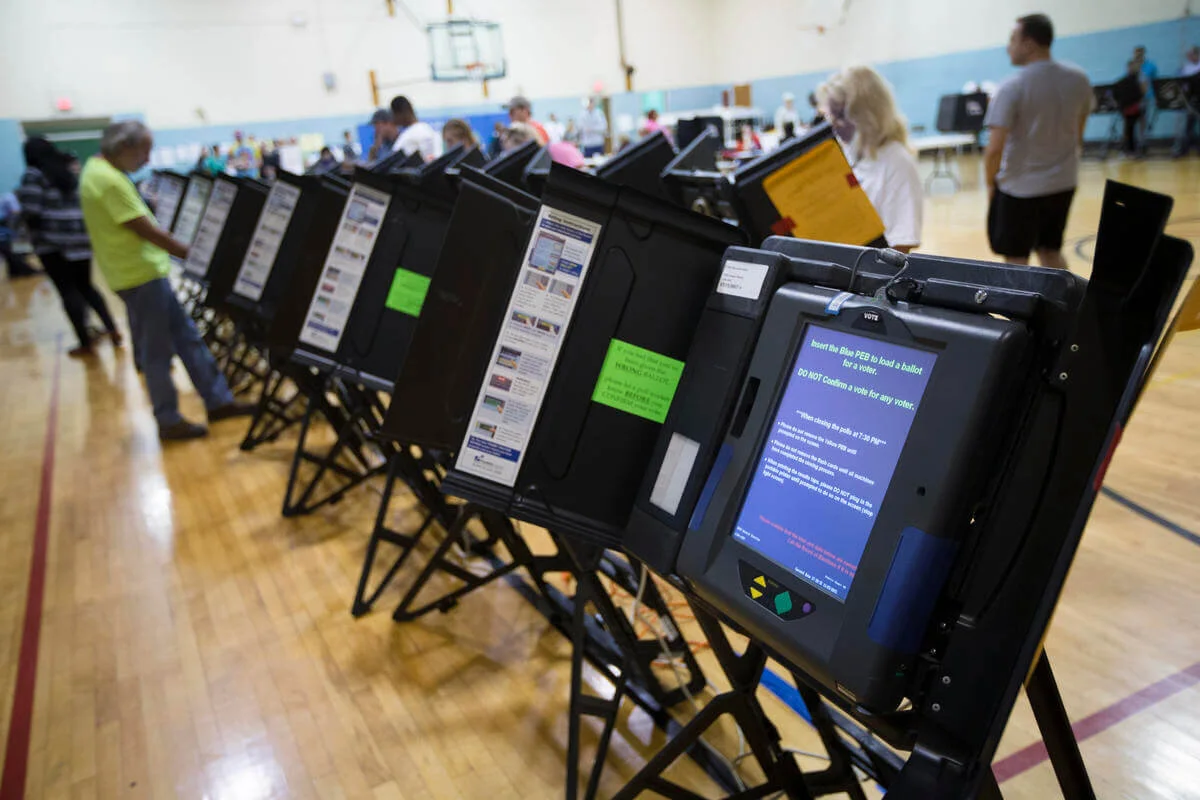
Read MoreIn this issue of The Corner, we highlight concentration in the voting machine industry, look at how Facebook and Google have monopolized advertising, and, in the process, threatened local journalism.
Read MoreKevin Carty published an article in the New York Post explaining how big tech's monopolistic rule is hiding in plain sight.
Read MoreOpen Markets Food & Power reporter Leah Douglas published an article in Washington Monthly explaining how corporate-run agricultural co-ops are squeezing the very farmers they’re supposed to protect. The depressed state of rural America is getting a fresh look as a result of the 2016 election, and rightly so. People are asking how to bring back rural prosperity and restore small-town civic life.
Read MoreSome antitrust experts are skeptical of whether those benefits will be passed onto consumers. Phillip Longman, policy director at the Open Market Institute and a health policy lecturer at Johns Hopkins University, said the Aetna-CVS merger could create new problems along with the ones it solves.
Read MoreBrian Feldman, of the antitrust research group Open Markets Institute, argues that mergers in the past few decades have “created a funhouse mirror situation—the drug industry’s incentives have become incredibly warped.”
Read MoreAmazon, Khan told me, should be viewed "as an infrastructure company." And as a group, big tech "are utilities on which other companies depend," equating to the 19th century railroads, which their owners exploited to outsized profit advantage because they could.
Read MoreWe discuss an under-reported proposal to shift the balance of power within the Federal Communications Commission, look at how concentrated economic power harms patients and healthcare employers, and explain why antitrust enforcement may come sooner rather than later for tech giants.
Read MoreOpen Markets Institute Advisory Board Member Roger McNamee published an article in Washington Monthly explaining why the social media platform’s business model is such a threat and what to do about it.
Read MoreThe Open Markets Institute's work documenting the effects of corporate concentration was featured in Bloomberg Businessweek.
Read MoreIn this issue of The Corner, we look closely at three of the biggest anti-monopoly questions for 2018, the boom in anti-monopoly political candidates, and a compounding factor behind the Spectre and Meltdown flaws in Intel computer chips.
Read MorePhil Longman published an article in Democracy Journal about the need for antitrust enforcement to curb consolidation in the healthcare sector.
Read More