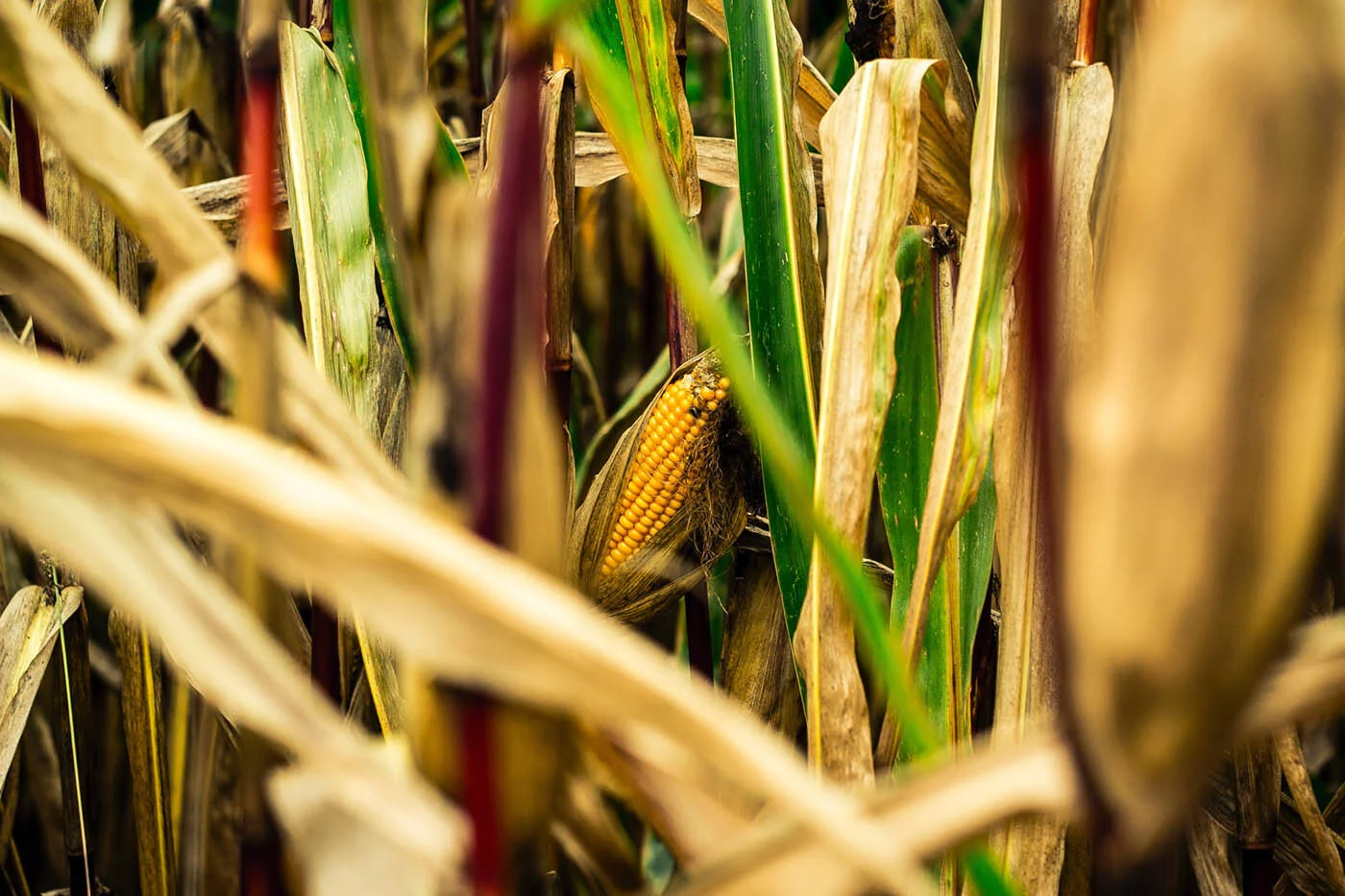
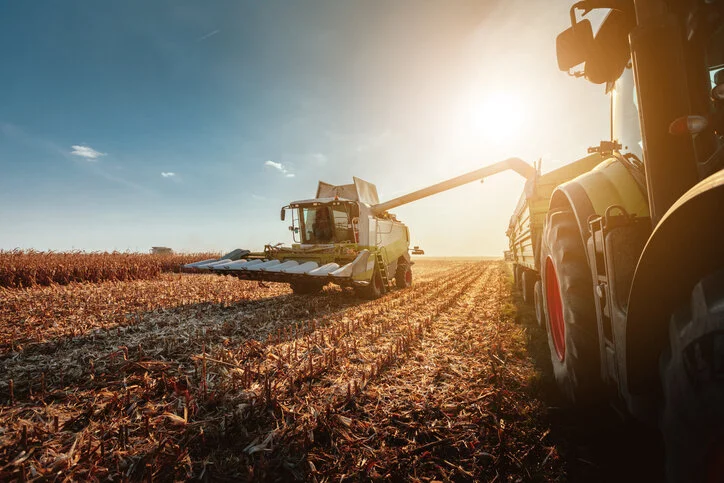
In an article for Civil Eats, Open Markets' fellow Austin Frerick explains how the Iowa Farm Bureau is hurting rural communities. Although it was created to advocate for farmers and rural communities and is registered as a non-profit corporation, it now receives 84 percent of its revenue from its for-profit insurance arm, the FBL Financial Group, which controlled $10.1 billion in assets in 2017 alone. Its holdings include millions of dollars of investments in large agribusiness conglomerates like Monsanto and Tyson.
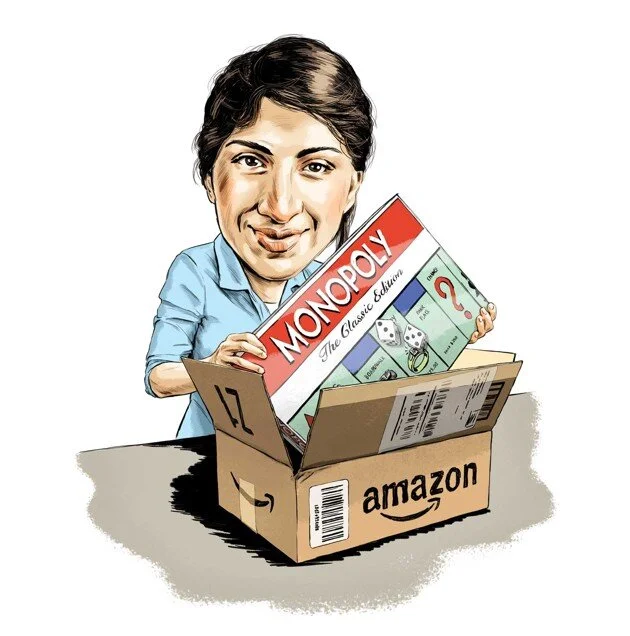
Read MoreLina Khan, "the trustbuster", was the main feature of the Atlantic's July/August 2018 Issue.
Read MoreSarah explained the significance of CWA joining the Freedom From Facebook Coalition.
Read More"We should all be deeply concerned by Facebook’s power over our lives and democracy," said Communications Workers of America researcher Brian Thorn.
Read MoreOMI's own, Lina Khan, will join the office of Federal Trade Commissioner Rohit Chopra as a legal fellow for the next few months.
Read MoreLina Khan, recent Director of Legal Policy at Open Markets Institute, will work as a legal fellow at the FTC for the next few months.
Read MoreIn the letter, OMI expressed concern over the proposed change that could inflict additional economic hardship on patients and their families and threaten patient health.
Read MoreOn Thursday, Bayer closed its $62.5 billion purchase of Monsanto. This comes roughly a week after the Department of Justice (DOJ) approved the merger, on the condition that the corporations sell off $9 billion worth of assets, including seed divisions, intellectual property, research projects, and more. Yet even after these divestitures, the combined entity will be the largest global seed and agrochemical corporation, and U.S. based field crop growers fear the power of the new combine.
Read MoreIn the Take Care blog, Lina Khan explains why the SCOTUS decision on AmEx shows stunning disregard for traditional antitrust principles.
Read MoreIn an article for Vice, Open Markets Food & Power reporter Claire Kelloway explains why from hot dogs to beer to chips and even charcoal, you don’t have much of a choice in whom you pay to celebrate. Even though the average grocery store carries tens of thousands of products, Americans' Independence Day shopping dollars overwhelmingly go to a tiny number of enormous companies.
Read MoreLina Khan explains how the decision in favor of American Express will make it easier for big tech companies to pressure workers, suppliers, and customers.
Read MoreMatt Stoller's tweet called out AT&T for raising prices.
Read MoreIn the Georgetown Law Technology Review, Lina Khan writes about the growing share of our commerce and communications that tech platforms possess.
Read MoreSandeep explains how antitrust laws are being used an anti-worker tool.
Read MoreThe Economist notes Barry Lynn and Matt Stoller's role in the debate on how to address tech monopolies, and endorses the idea that Facebook should be separate from WhatsApp and Instagram, a measure that the Open Markets Institute was first to call for.
Read MoreIn this issue of The Corner, we look at U.S. Supreme Court nominee Brett Kavanaugh's extreme pro-corporate record in antitrust cases. We report on the troubling implications of Match Group's roll-up of dating apps and question its intentions. And we interview Stacy Mitchell on Amazon's effort to grab power over your local government's procurement business.
Read MoreLina Khan's March op-ed is cited in this article explaining the consequences of the Supreme Court ruling.
Read MoreMatt explains the danger the individual citizen faces by endorsing the business model of total surveillance and discrimination and the recent AT&T Supreme Court decision.
Read More