
Mars Buys Another Veterinary Network, as a Candy-Company Turned Pet Care Giant Furthers its Influence Over Animal Health

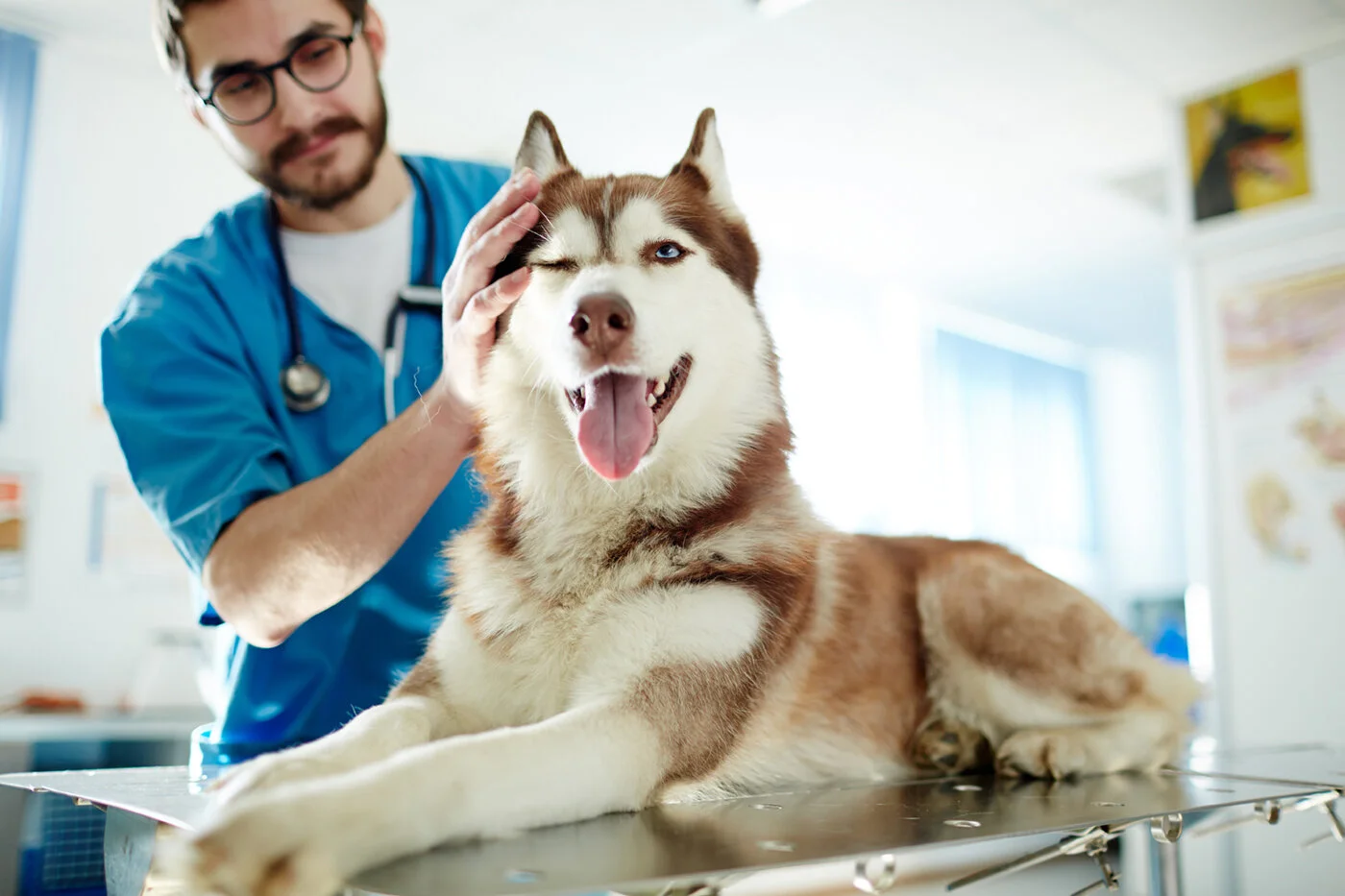
Last week, Mars, the company best known for brands like Snickers, Skittles, and Wrigley’s gum, purchased AniCura, a network of 200 animal hospitals spanning seven European countries. On its face, Mars’ acquisition of AniCura might not seem to make business sense. What synergies could possibly exist between making candy bars and taking care of sick dogs and cats? Yet, it turns out the deal is part of a much larger trend in which Big Food companies are cornering the business of both feeding and caring for pets.

Read More
Colluding Pork Packers Accused of Pigging Out On Fixed Prices

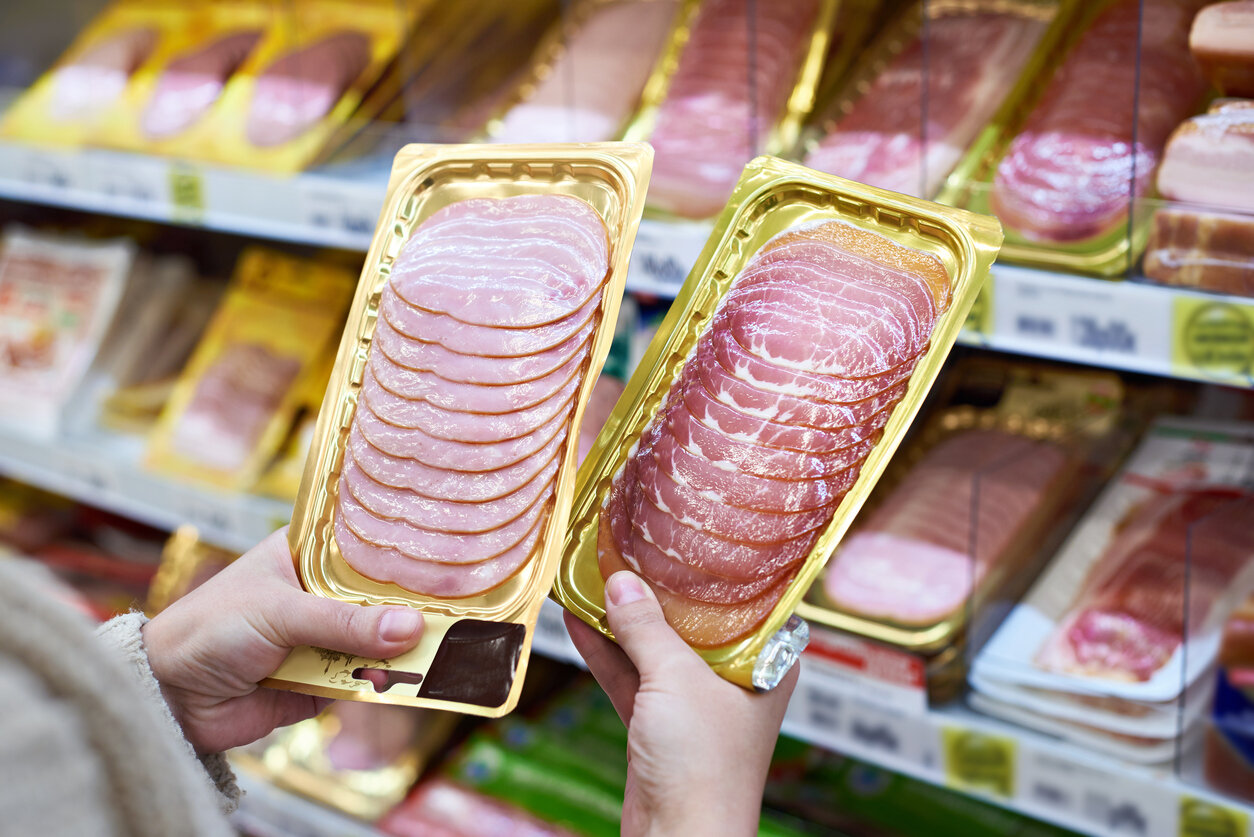
Since roughly 2009, Americans may have been paying too much for their pork chops, barbeque, hams, and trotters. That’s the claim of two law firms that filed separate class action suits on behalf of consumers and food distributors charging eight major pork packers and an industry data sharing service, Agri Stats, with colluding to manipulate prices.

Read More
AFL-CIO Commission on the Future of Work and Unions - Wealth, Power, Control, and Command Private Monopoly and the American Worker

Executive Director Barry Lynn writes in a paper for the AFL-CIO Commission on the Future of Work and Unions, about the political origins of America’s monopoly problem, the magnitude of the problem, and some of the specific ways in which Big Tech corporations such as Google and Uber make the monopoly problem worse.

Read More
The Corner Newsletter, July 13, 2018: Judge Kavanaugh: a Blessing to Big Business — Match Group's March to Power — Amazon's Latest Target: the Taxpayer

In this issue of The Corner, we look at U.S. Supreme Court nominee Brett Kavanaugh's extreme pro-corporate record in antitrust cases. We report on the troubling implications of Match Group's roll-up of dating apps and question its intentions. And we interview Stacy Mitchell on Amazon's effort to grab power over your local government's procurement business.

Read More
The Farm Group that’s Part of Rural America’s Crisis

In an article for Civil Eats, Open Markets' fellow Austin Frerick explains how the Iowa Farm Bureau is hurting rural communities. Although it was created to advocate for farmers and rural communities and is registered as a non-profit corporation, it now receives 84 percent of its revenue from its for-profit insurance arm, the FBL Financial Group, which controlled $10.1 billion in assets in 2017 alone. Its holdings include millions of dollars of investments in large agribusiness conglomerates like Monsanto and Tyson.

Read More