
Welcome to The Corner. In this issue, we argue that the Department of Justice should continue to prevent movie studios from buying theater chains. We also examine the potential harms of Facebook and other tech giants getting into the banking business, or simply into your bank account. And we look at why a lone dissent in an obscure FTC case is much more than it may first appear.
Read MoreThe Open Markets Institute submitted three comments to the Federal Trade Commission for its upcoming "Hearings on Competition and Consumer Protection in the 21st Century." Read those comments here.
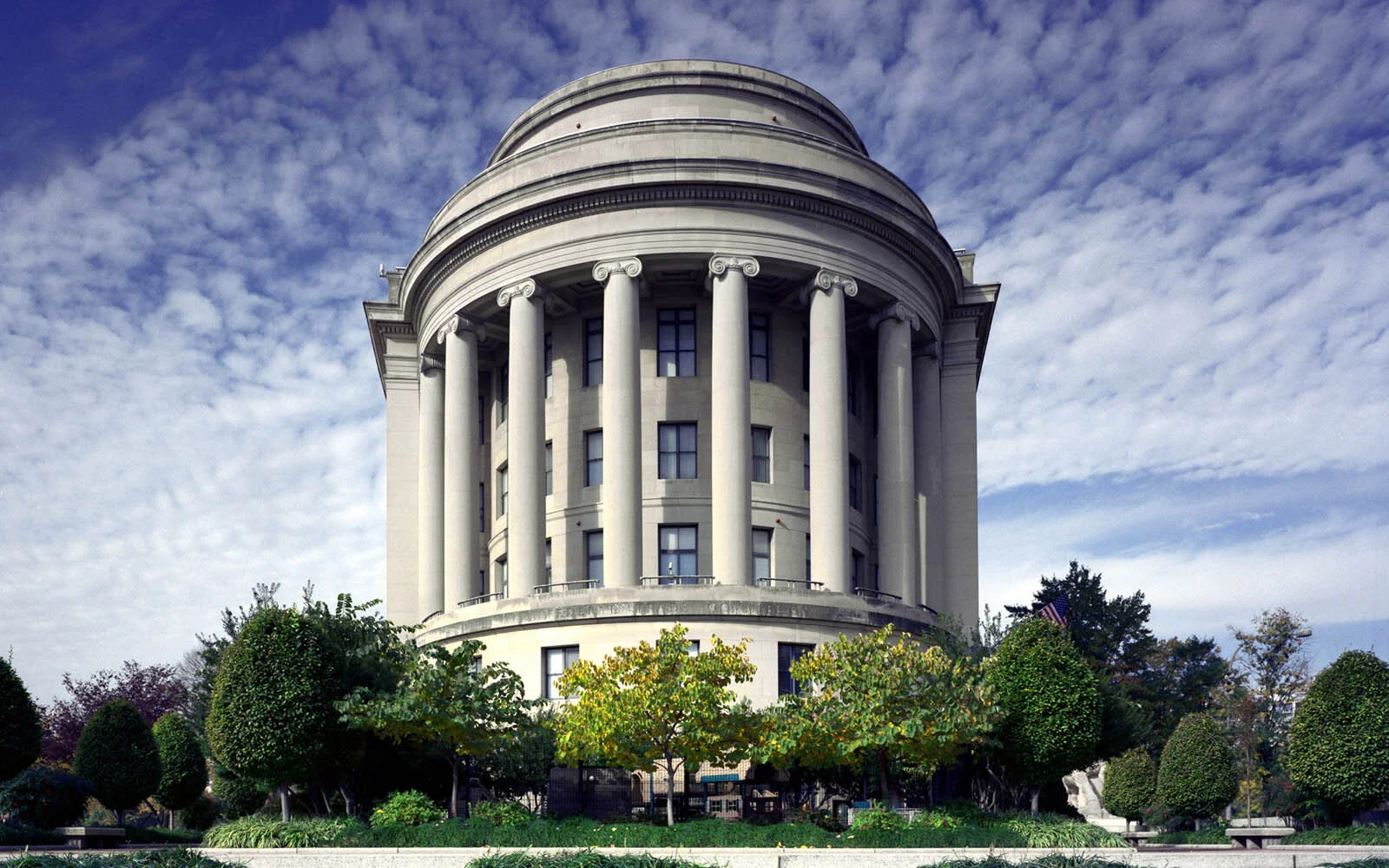
Read MoreThe Freedom From Facebook coalition, spearheaded by the Open Markets Institute, submitted a letter to the Federal Trade Commission's "Competition and Consumer Protection in the 21st Century" Hearing on August 20, 2018.
Read MoreRead the amicus curiae brief filed by the Open Markets Institute amicus curiae in support of the U.S. government's appeal of the lower district court's decision allowing the merger.
Read MoreThis week, we highlight Sen. Mark Warner's surprisingly tough proposal to regulate Google and other platform monopolists. We also look at how New York City turned to simple 20th century policies to fix its Uber problems. Finally, we point out how consolidation in Canada drives inequality.
Read MoreRead the public comment that the Open Markets Institute, along with the Roosevelt Institute and the Economic Policy Institute, submitted to the Federal Trade Commission regarding its proposed settlement in the Your Therapy Source matter.
Read MoreRead The Economist's interview with our Executive Director, Barry Lynn.
Read MoreSandeep Vaheesan was quoted in the Atlantic explaining how Amazon's power hurts workers and wages.
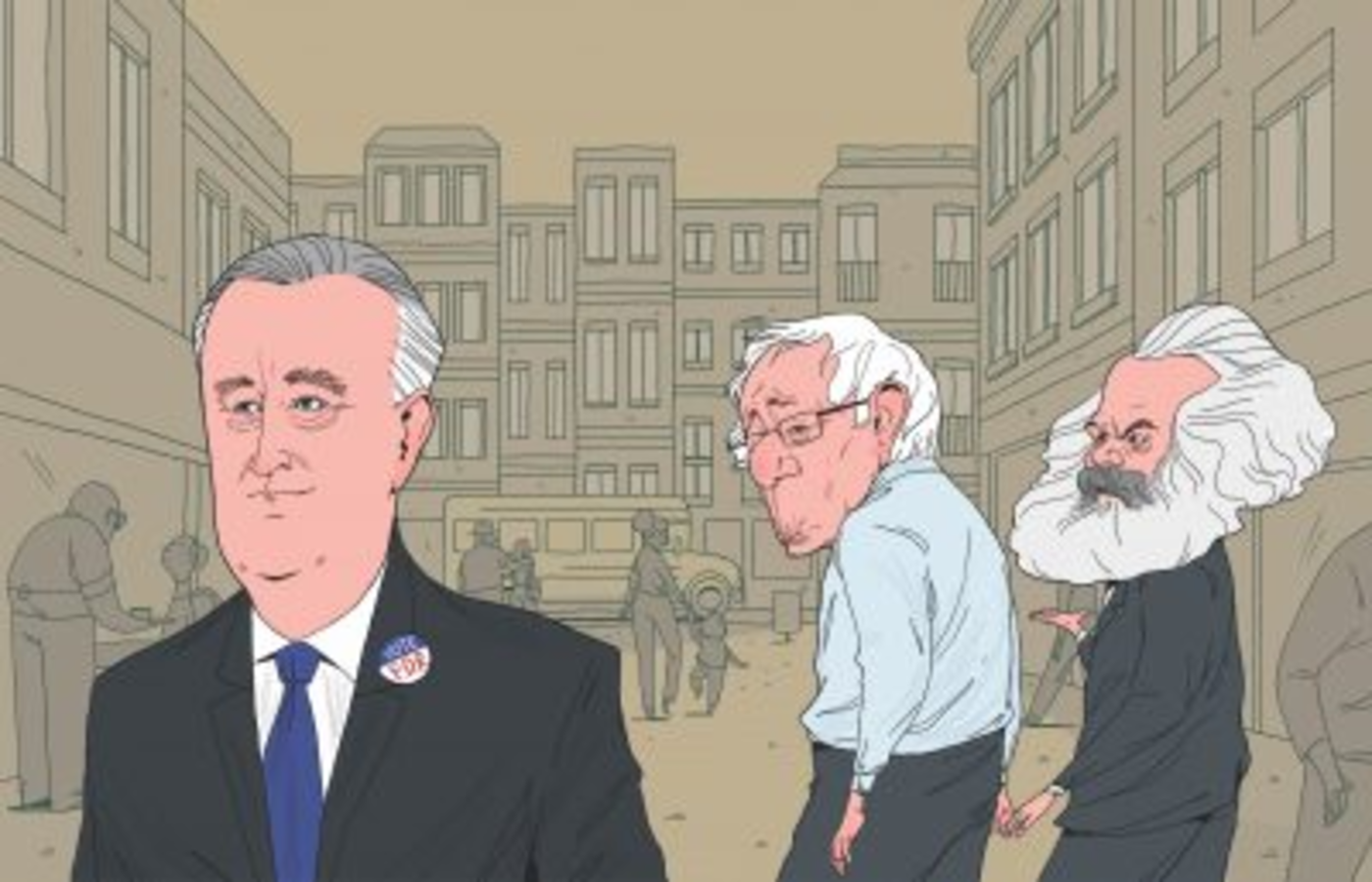
Read MoreOpen Markets Institute is mentioned in this article as an example to draw a clear distinction between socialists and the anti-monopoly movement, which promotes greater competition.
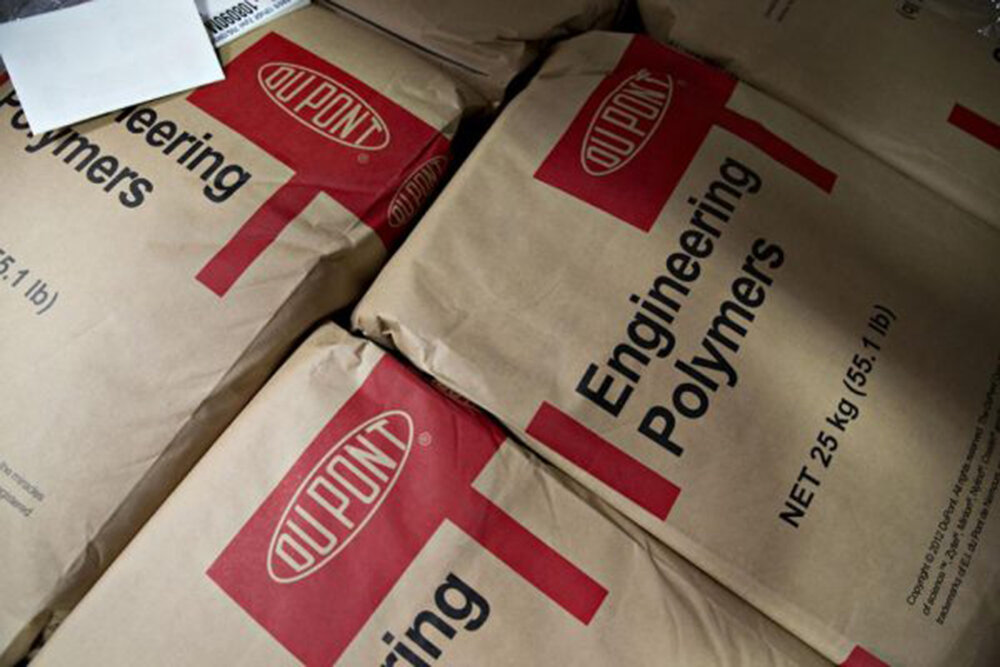
Read MoreIn his Forbes debut, Open Markets fellow Austin Frerick wrote that Senator Tom Carper's conflicts of interest may explain why he did little to oppose a merger that is bad for Delaware. DuPont merged with the Dow Chemical Company to create DowDuPont, the world's largest chemical company in terms of sales. This merger occurred amid a massive wave of consolidation in the agricultural sector.
Read MoreSarah Miller, Deputy Director, spoke on behalf of the Freedom From Facebook Coalition about Facebook's massive market value drop.
Read MoreIn the Guardian, Barry Lynn, Executive Director explains, that as gatekeepers to the news, Google and Facebook pose dangers to even the most successful outlets.
Read MoreIn this issue, we ask whether the EU’s $2.7 billion fine on Google last year has fixed online shopping in Europe, identify some of the facts left out of a recent Wired article about Amazon, and examine how T-Mobile’s takeover of Sprint merger would likely harm rural Americans.
Read MoreOpen Markets Institute's Executive Director, Barry Lynn, responds.
Read More"The knee-jerk reaction to the European Union’s decision to fine Google $5.1 billion is to blame the Europeans. How can it be possible that in Europe the antitrust authorities determined that Google abused its dominance in the smartphone market when in America it did not?
Read MorePhil and Barry were quoted in Joe Nocera's piece explaining that any antitrust action directed at the tech giants is tainted by the president's tweets.
Read MoreSarah said Freedom from Facebook plans to fight Facebook for as long as it takes to bring about change and that the health of democracy depends on it.
Read More"My general point that no one should be doing the filtering of news for 2.1 billion people. But Mark Zuckerberg defending the sincerity of Holocaust deniers suggests that we may have picked the single worst person to do what is an impossible job." - Matt Stoller
Read More