Fundamentally rebuilding our democracy means engineering our corporations and markets to enable the freedom of the producer from the domination by the monopolist or financier.
Read More
Publications
Fundamentally rebuilding our democracy means engineering our corporations and markets to enable the freedom of the producer from the domination by the monopolist or financier.
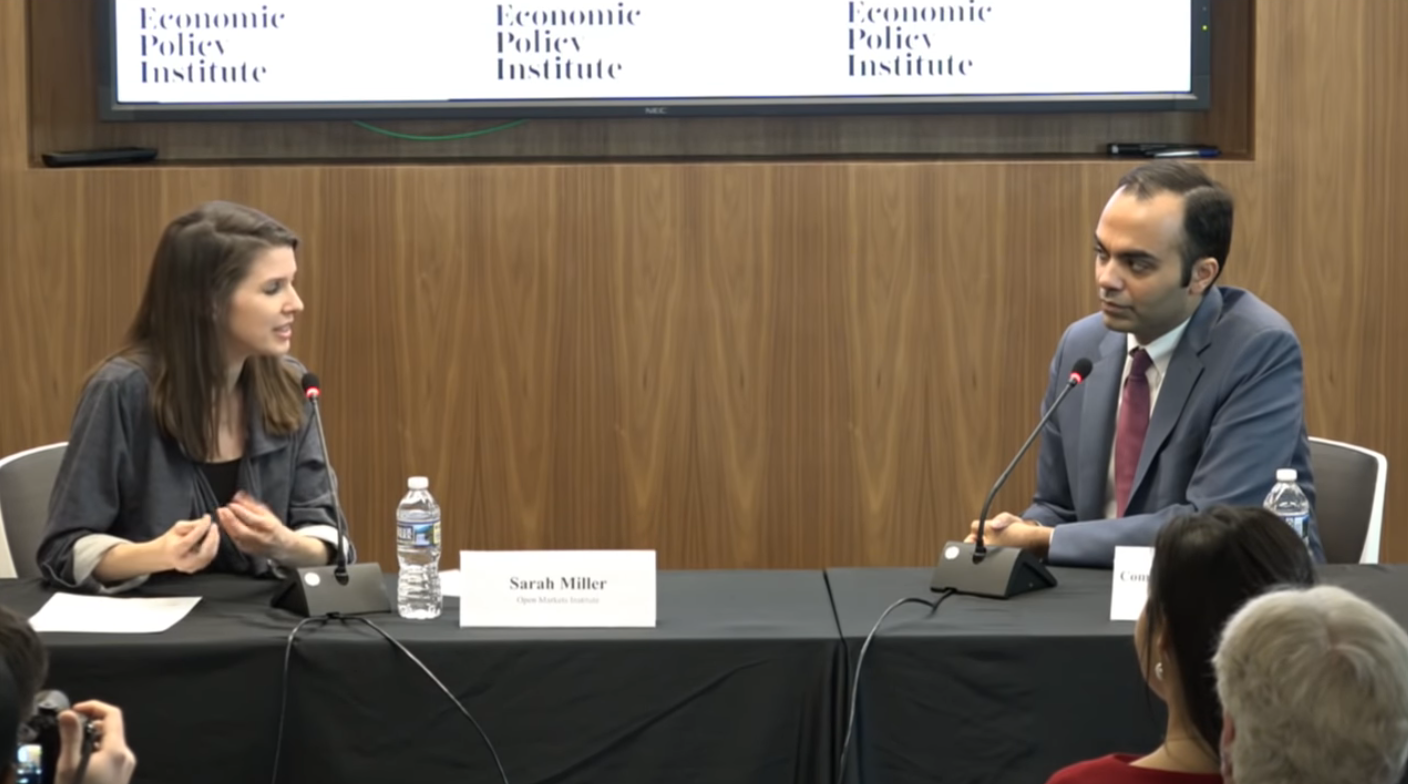
Read MoreOpen Markets Institute and The Economic Policy Institute join together for a discussion about monopolies, monopsonies, and worker power.
Read MoreBloomberg's Mark Bergen and Ben Brody receive comment from Open Markets' Matt Stoller about Google's monopoly power amid the company facing Congressional hearings and greater public scrutiny. Limits on Google’s control of so much data would be a blow, says Stoller.
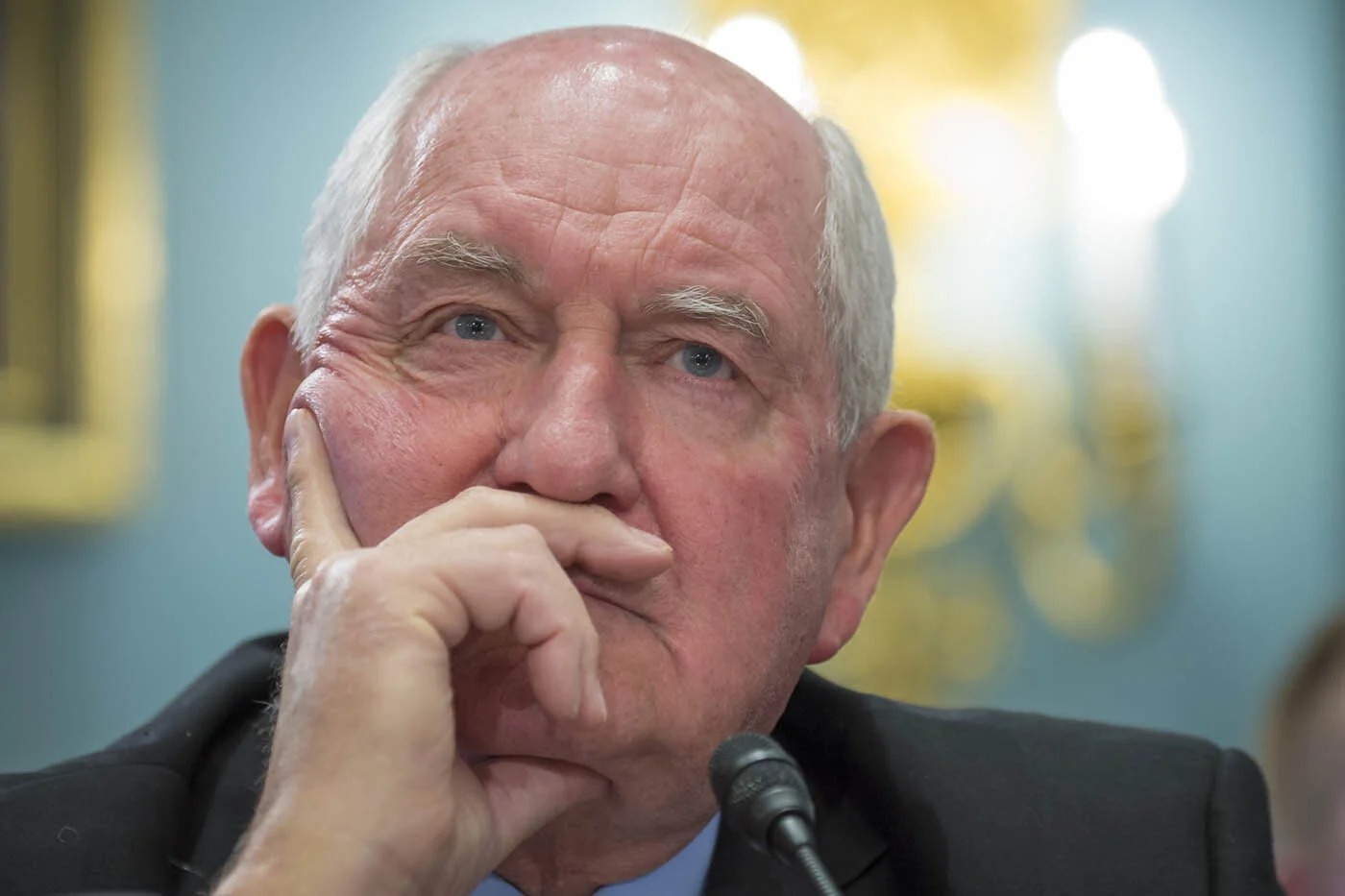
Read MoreAlmost a century ago, in 1921, Congress passed the Packers & Stockyards Act to protect America’s farmers and ranchers from meat packing monopolies. Last week the Department of Agriculture quietly eliminated the independent office tasked with enforcing that law, the Grain Inspection, Packers, and Stockyards Administration (GIPSA). The change was the single biggest in agricultural antitrust regulation since Congress passed the original Act.
Read MoreIn this post, we will explain why licensing’s mix of consumer protection and labor market stabilization is a legitimate policy option for a wide range of occupations.
Read MoreOpen Markets Institute has underwritten a poll with Public Policy Polling gauging citizens' public opinion concerning corporate power in America. The poll suggests challenging monopoly is good politics.
Read MoreIn this issue of The Corner, we report on the fast-building pressure on the FTC to address Facebook's abuse and misuse of its power, and we share some more details from our new report, "America's Concentration Crisis." We also announce two opportunities for reporters and future lawyers to work with Open Markets.
Read MoreIn this post, we cover the basics of licensing, and then reframe current attacks on it.
Read MoreMonopoly power is all around us: as consumers, business owners, employees, entrepreneurs, and citizens. When we purchase everything from washing machines to groceries, website domains to medical supplies, and even when we select a coffin for a recently deceased loved one, we are constrained by the small set of actors who increasingly control America’s commerce.
Read MoreOpen Markets Institute, Public Knowledge and twelve other signatories have sent a comment letter to the House Judiciary Committee and Committee on Energy and Commerce urging the House of Representatives to hold a hearing on the likely effects of the proposed Sprint, T-Mobile merger.
Read MoreAt the root of rural America’s angst are small towns whose economies have been taken over by a handful of predatory multinationals.
Read MoreOpen Markets joined public interest, consumer, and labor groups in sending a letter to leaders in the House calling for hearings on the pending merger between T-Mobile and Sprint.
Read MoreOpen Markets Fellow Austin Frerick discusses the newly-released concentration crisis data with The Intercept.
Read MoreDue to extreme concentrations of wealth and political power, our country is experiencing severe economic inequality, stagnant household income, the collapse of business formation and innovation, and historic levels of political polarization. This report shows that such concentration is not unique to one or two economic sectors. It is persistent across a diverse range of industries.
Read MoreMatthew Buck , reporter-researcher for the Open Markets Institute, writes in The Washington Monthly about the monopolization of America’s railroads.
Read MoreWashington DC - Last Thursday, The Economist published a special report calling attention to the dangerous levels of market concentration in the U.S. economy and taking antitrust authorities to task for their inaction.
Read MoreOpen Markets filed an amicus brief in the Supreme Court in support of the petitioner in Tennessee Wine and Spirits Retailers Association v. Byrd asserting that the Supreme Court should restore the states’ full regulatory authority, under the Constitution, over alcohol production and distribution.
Read MoreSince the 1970s, the US has seen a growing power imbalance between workers and employers. This story was not inevitable, but the product of conscious legal and political choices.
Read More