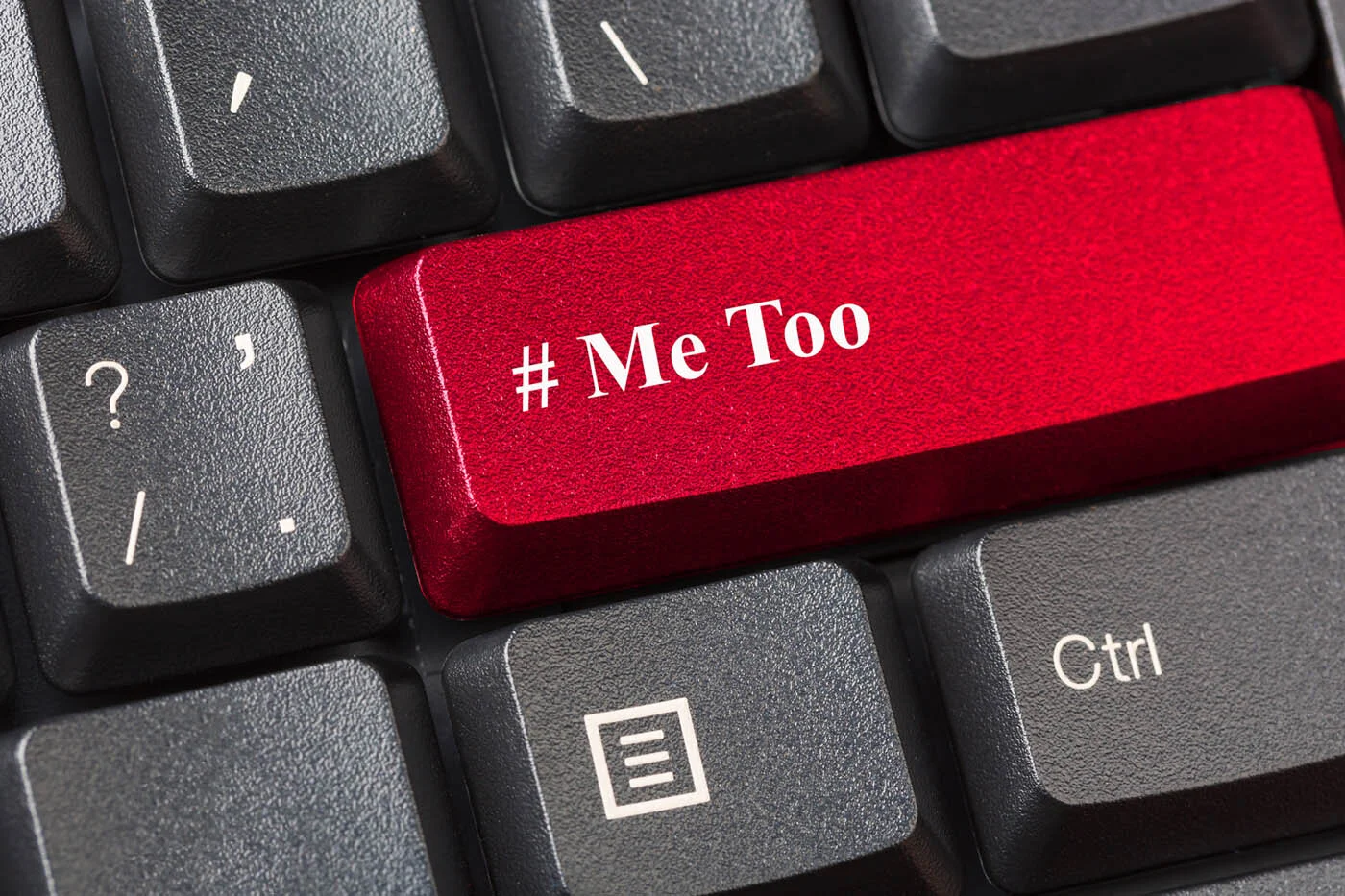
After decades of virtual silence, the #MeToo movement has publicized the epidemic of sexual harassment and assault in the workplace. The recent New York Times investigation of Sterling Jewelers exposes the depth of the problem and shows how long and hard women’s fight for justice remains. Since women who complain about harassment face retaliation and even termination, often the only way to escape it is to find a new job. Yet for many women, continuing their careers with a new employer turns out to be impossible.
Read MoreAmerican capitalism used to mean economic equality and security. When I mention this in speeches or talks today, this observation prompts laughter, or outright disbelief. But it’s true. Americans used to believe economic equality was foundational to our political system. That America—at least for those considered citizens—carried with it an implicit promise of rough commercial equality. How did this notion change so radically?
Read MoreBloomberg Law's Victoria Graham speaks to Open Markets Director of Enforcement Strategy Sally Hubbard about the recent decision by the Supreme Court in the Apple v. Pepper case and how the ruling clarifies another high court decision last year—Ohio v. American Express Co.—that set a difficult standard for bringing antitrust suits. The Apple case “makes it clear that the American Express decision was addressing a very specific type of platform,” Hubbard said. “It was not meant to cover all two sided markets.”
Read MoreThe Open Markets Institute, Food & Water Watch, and the Organization for Competitive Markets submitted a letter to the Justice Department supporting a letter by The Ranchers-Cattlemen Action Legal Fund United Stockgrowers of America (“R-CALF USA”) on March 28, 2019, regarding the proposed acquisition of Iowa Premium, LLC, (“Iowa Premium”) by National Beef Packing Company, LLC (“National Beef”).
Read MoreThe New York Times speaks with Open Markets Legal Director Sandeep Vaheesan about the Supreme Court's ruling in Apple v. Pepper and what it means for consumers. “What Apple has done since the launch of the iPhone is tell all iPhone owners and iPhone app developers that if they want to buy and sell apps, they have to go through the App Store,” Vaheesan said. “So Apple has set up this app store as a bottleneck where everyone in the iPhone ecosystem must transact.”
Read MoreIn a recent letter to government regulators, the National Black Farmers Association (NBFA) argues that the proposed $66 billion takeover of SunTrust by BB&T will harm “rural and economically disadvantaged areas.” In the letter, the NBFA said the takeover will result in fewer rural branches, less competition in the regions where many of their members farm, and cuts in staff and services, particularly those dedicated to anti-discrimination compliance oversight.
Read More“This is an important win in the public’s fight against monopoly in the tech sector and elsewhere,” said Open Markets Legal Director Sandeep Vaheesan. “The Court followed its own precedent and the plain text of the Clayton Act and rejected Apple’s specious attempt to exempt itself and other monopolists from consumer antitrust suits for damages.”
Read MoreWhile the world has failed to make significant progress in combating climate change over the past decade, the prospect for real action looks very promising today. Proponents of a Green New Deal aim not to nudge the current energy economy toward carbon neutrality but to restructure the production, distribution, and use of energy. Even as it represents a break from the impoverished political imagination of the (still ongoing) neoliberal era, the Green New Deal draws on a rich legal and historical template for transforming our energy economy and deepen democracy.
Read MoreThe Hill's Harper Neidig speaks with Open Markets Deputy Director Sarah Miller about how a groundbreaking op-ed by Facebook co-founder Chris Hughes on The New York Times is making it "harder and harder to defend Facebook maintaining its monopoly power." In the op-ed, Hughes said that he was worried about the amount of power Facebook had amassed over the world’s communications and how Mark Zuckerberg, his former roommate and co-founder, had complete control over the company.
Read MoreFacebook has become "one of the world's most dangerous monopolies" and needs to be dismantled, Open Markets Deputy Director Sarah Miller tells CBC's The Current podcast. In light of a groundbreaking op-ed by Facebook co-founder Chris Hughes on The New York Times, CBC interviews Miller about Facebook's monopoly power and why US regulators should move to hold Mark Zuckerberg accountable and break-up the corporation.
Read MoreUber hit the stock market May 10. NPR reported its value may reach 90 billion dollars, But its ultimate market value could face headwinds with the populist movement rising in America. NPR speaks to Open Markets fellow Matt Stoller about Uber's bigness and whether it could be subject to antitrust in the future.
Read MoreOpen Markets applauds Facebook co-founder Chris Hughes for publishing a courageous and groundbreaking essay in the New York Times advocating that the corporations he helped create should be broken up.
Read MoreIn 2011, the Federal Trade Commission settled charges with Facebook that the social networking giant “deceived consumers by telling them they could keep their information on Facebook private, and then repeatedly allowing it to be shared and made public”. Today, the company is again in hot water for, among other things, misusing private user data, failing to stop the spread of fake news and enabling the distribution of toxic and violent multimedia.
Read MoreIf the FTC fails in its duty to enforce the consent decree and regulate companies like Facebook in meaningful ways, Congress should move to hold the FTC accountable for its failure to regulate and consider redirecting its funding to the State Attorneys General.
Read MoreEnforcers from around the world, from Germany to Washington, DC Attorney General Karl Racine and New York Attorney General Letitia James, are taking meaningful action against Facebook. It's time for Congress to investigate why the FTC has not.
Read MoreFacebook didn't get where it is today by protecting your privacy. The company made $56 billion in 2018, in part by tracking people both on and off its platform and then selling targeted advertisements based on that surveillance. Yet when Facebook announced a shift to a "privacy-focused communications platform" in March and unveiled a redesign toward private messaging at its F8 developers conference on Tuesday, Facebook's stock value did not even dip. How could that be, if surveillance is essential to Facebook's business model?
Read MoreOpen Markets fellow Matthew Stoller and Deputy Director Sarah Miller published an op-ed on BuzzFeed News explaining that while corporate megamergers often result in thousands of job cuts, corporate executives, on the other hand, are rewarded with sweet multi-million dollar golden parachutes to sell their companies in what amounts to a form of "normalized corruption," which they call on Congress to eliminate.
Read MoreAn influential federal appellate judge last week expressed great concern about the growing power of tech platforms, including Google and Facebook, and said that anti-monopoly enforcers and courts may have been “too hasty” in abandoning two key traditional tools of antitrust law – the essential facilities doctrine and predatory pricing law.
Read More