
Open Markets Health Care Researcher and Reporter Olivia Webb writes on The American Prospect about how investment firms have bought up emergency medical service companies, squeezing soaring profits from vulnerable patients. "The Great Recession created an opportunity to financialize the practice of lifesaving emergency transport," she writes. "After 2008, a number of private equity firms moved to take over ambulance and air ambulance providers."
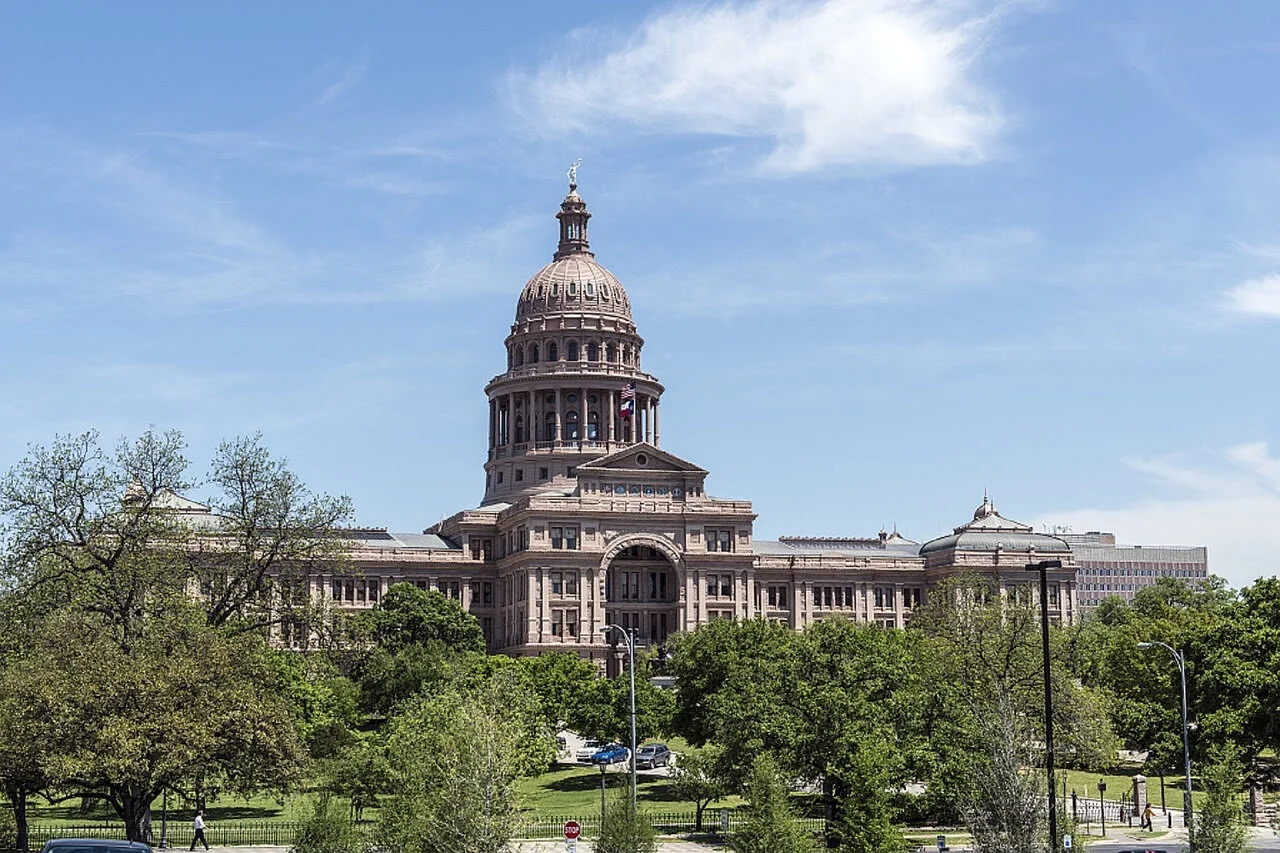
Welcome to The Corner. In this issue, Sandeep Vaheesan lists some actions the next administration could take on day oneto fight concentrated power. And we explain why Senator Mike Lee is getting the U.S. constitutional philosophy wrong when he criticizes regulatory overlap between the DOJ Antitrust Division and the FTC.
Read MoreAt a Senate oversight hearing last month, antitrust subcommittee Chairman Mike Lee, R-Utah, reacted to reports of disagreements between the Federal Trade Commission and the Department of Justice over who would investigate Facebook for antitrust violations. The whole exchange, however, revealed a deep misunderstanding of American’s antimonopoly tradition and political philosophy generally. Read the latest piece from The Corner newsletter.
Read MoreThe below is a statement from Claire Kelloway, Reporter & Researcher at Open Markets Institute, regarding Agriculture Secretary Sonny Perdue’s comment “In America, the big get bigger and the small go out.”
Read MoreIn her latest issue of Food & Power, Open Markets Researcher and Reporter Claire Kelloway reports on a lesser-known policy shift around the turn of the millennium helped create our current system of high-stress large-scale contract tobacco farming. She reports that today, corporations dictate many aspects of farmers’ operations through contracts, including what type of plants to grow, how to harvest them, and how much water and chemicals to apply.
Read MoreThe New York Times reports on the troubles facing WeWork C.E.O. Adam Neumann before his recent resignation. Reporters asked Open Markets Senior Fellow Matt Stoller for comment. “Investors saw through Lyft, and they saw through Uber as well,” Matt Stoller told the NYT. “This one has simply been rejected. Investors are saying, ‘We’re not going to tolerate this nonsense anymore.’”
Read MoreOpen Markets Legal Director Sandeep Vaheesan argues on The American Prospect that corporate power can be neutralized if federal agencies simply used the prodigious authority they’ve been granted. "The president already has extraordinary authority under decades-old statutes," Vaheesan writes. "The question is will he or she appoint officials—to the Department of Justice (DOJ) Antitrust Division, Federal Trade Commission (FTC), U.S. Department of Agriculture (USDA), and other agencies—determined to tame corporate dominance of our economy and politics."
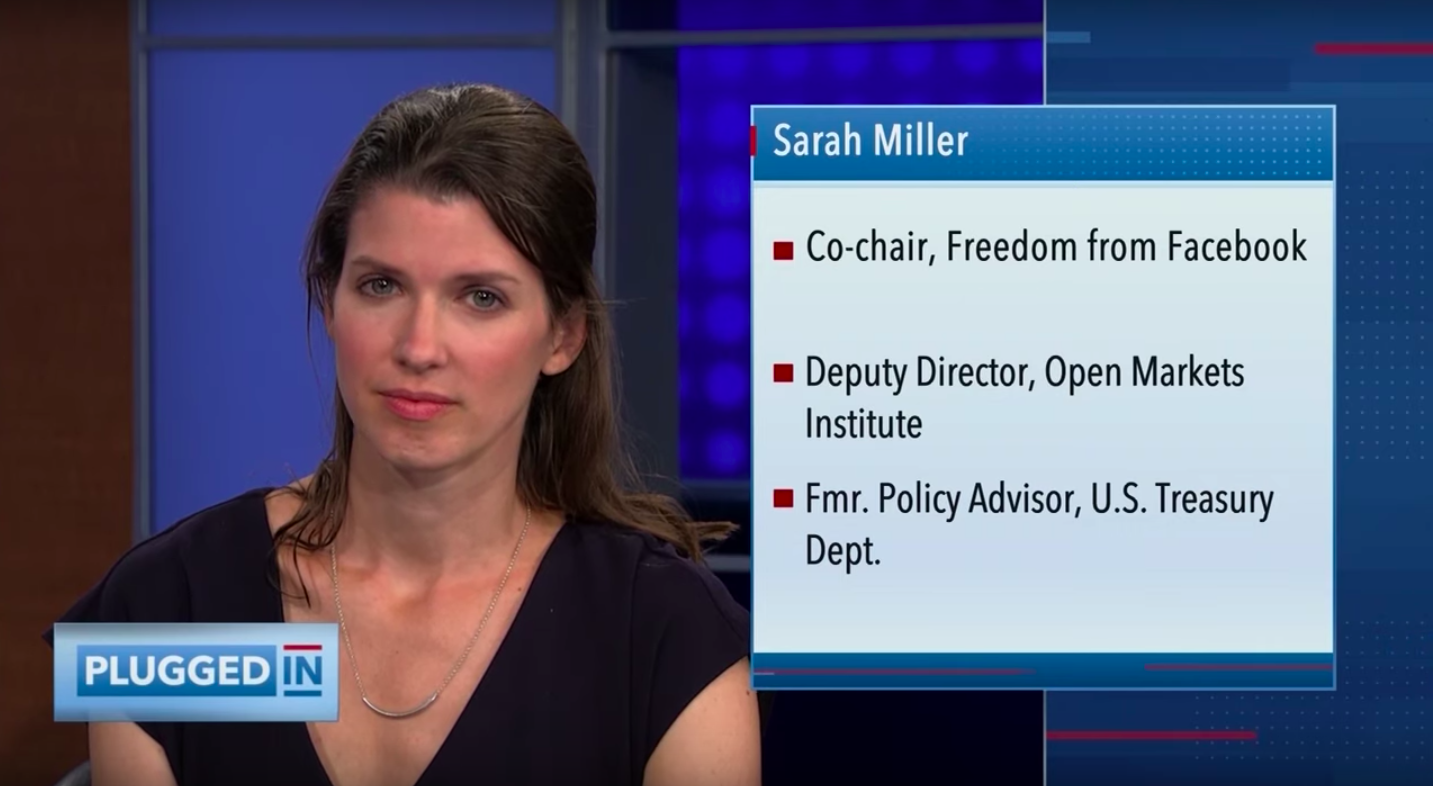
GQ Magazine's Elle Hardy writes that over the past decade, some of Silicon Valley's brightest ideas have evolved into the biggest, most powerful companies on the planet. Sarah Miller, deputy director of the Open Markets Institute, a think tank devoted to curbing big tech’s economic dominance, told her that firms are uniquely equipped to get away with breaching our trust. “Consumers don’t have any power in the way that they would in a functioning market, where if they’re unhappy with the way customers or workers are being treated, they can take their business elsewhere.”
Read MoreWelcome to The Corner. In this issue, we highlight an important case involving labor and monopoly and weigh in on the building controversy over the “Right to Repair.” We also discuss why Microsoft deserves similar antitrust scrutiny now being applied to Amazon, Apple, Facebook, and Google.
Read MoreDaniel Hanley of Open Markets Institute writes about how Microsoft is leveraging a combination of monopoly power and data and should not be ignored as focus remains on behemoths like Google, Amazon, and Facebook.
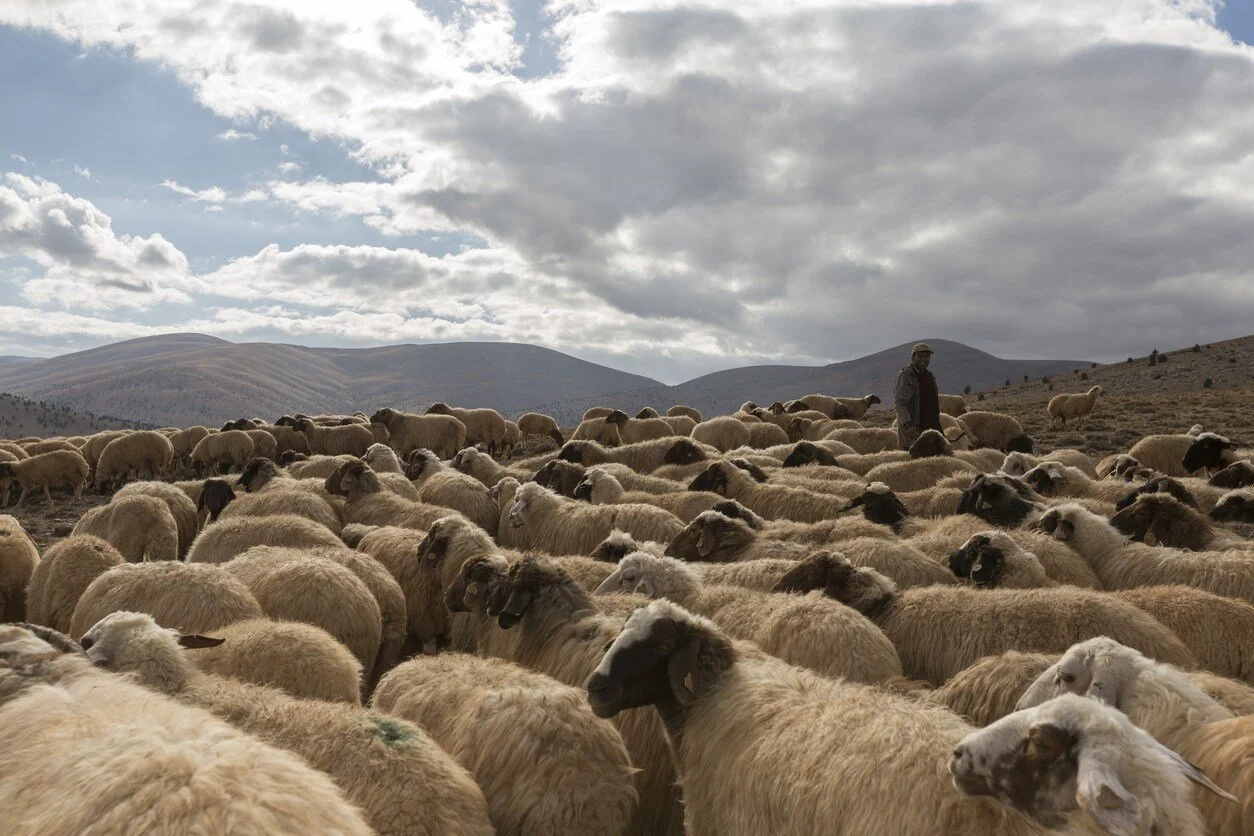
Read MoreOpen Markets filed an amicus brief in support of thousands of immigrant shepherds who allege they are the victims of a cartel among ranchers in the Western United States. The shepherds – here on a guest worker program from Peru – in 2015 sued the ranchers and their associations for colluding to suppress their wages.
Read MoreIn Washingtonian magazine, reporter Luke Mullins exposes Big Tech’s number one enemy: Open Markets Institute. As Mullins details, founder Barry Lynn and his team are shifting the debate over Big Tech, presenting potential antitrust solutions to challenge Silicon Valley’s monopoly power. The anti-trust movement has reached critical mass in Washington, writes Mullins. Barry Lynn and his allies helped put it there.
Read MoreThe Open Markets Institute filed a comment to the Federal Trade Commission (FTC) exposing how manufacturers - of everything from cellphones to tractors – monopolize markets for parts and service, shutting out independent technicians, driving up repair costs, and sending more goods to landfills.
Read More“We believe that the plaintiffs have shown the existence of a collusive agreement among the ranchers and that the panel's decision is bad law and threatens to encourage other employer cartels,” said Open Markets Legal Director Sandeep Vaheesan.
Read More“Corporations are using dirty tricks to control and restrict repair in virtually every industry, from consumer electronics and appliances, to agriculture, even the military," said Claire Kelloway, Open Markets Food and Power reporter. "The FTC has the authority to break up these repair monopolies, and we hope they step in to do what’s right for consumers, small businesses, and the planet.”
Read MoreIn 2015, a group of Peruvian shepherds working for sheep ranchers in the western U.S. filed an antitrust suit alleging that the ranchers had colluded to hold down wages and avoid competing for labor. A judge initially dismissed the case and a three-judge panel on the Tenth Circuit agreed this July. The plaintiffs petitioned for another chance at their day in court. Open Markets Food & Power reporter Claire Kelloway asserts that the Tenth Circuit Court of Appeal’s recent decision sets a precedent that, if adopted by other courts, could legalize cartel activity across the entire economy against both workers and consumers.
Read More"This is the latest in a series of DOJ actions that threaten the legitimacy of the antitrust laws and suggest the Antitrust Division, led by Assistant Attorney General Makan Delrahim, is serving as an instrument of the White House," said Open Markets Legal Director Sandeep Vaheesan.
Read More