
Washington Monthly - Trump Promised a Shipbuilding Boom. He’s Sinking It Instead
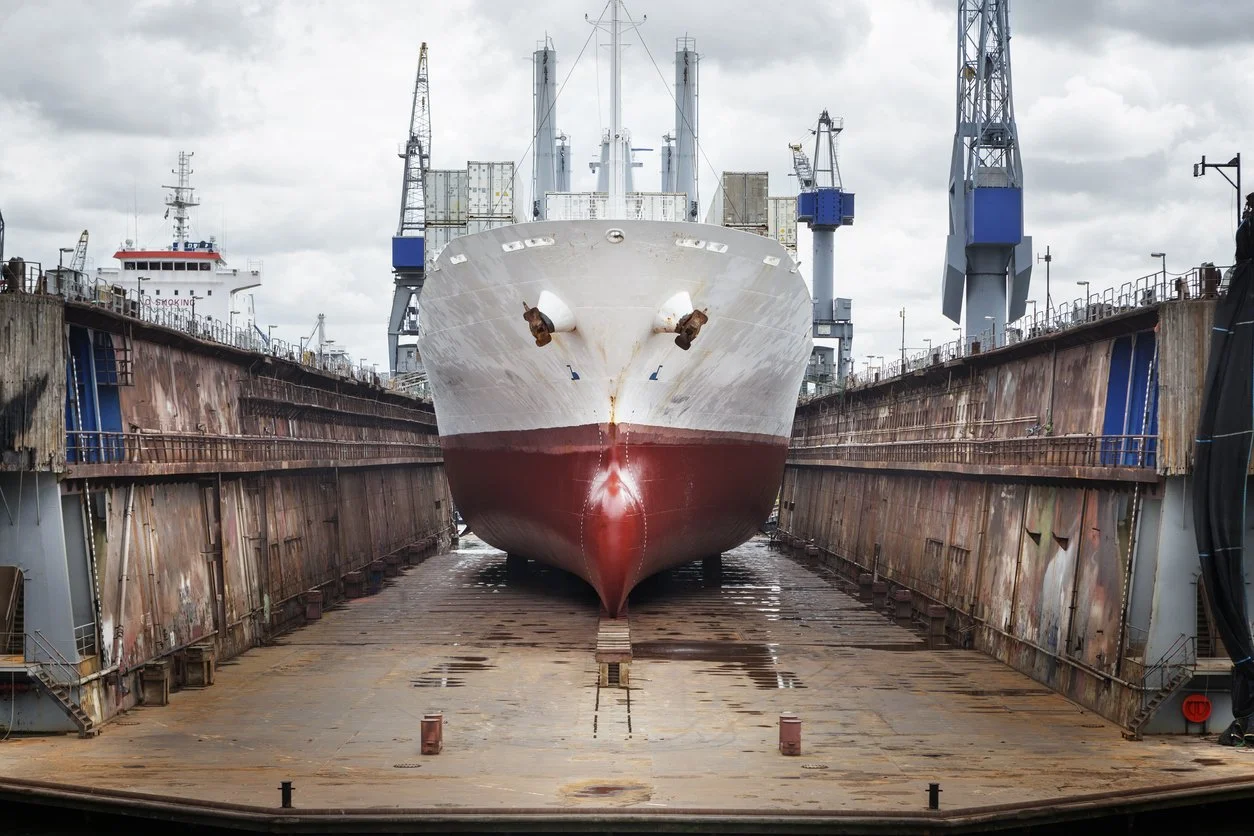
Transportation analyst Arnav Rao argues that Donald Trump’s promise to revive U.S. shipbuilding has unraveled amid leadership failures, bureaucratic dysfunction, and neglect of the nation’s maritime industrial base—leaving America’s shipyards weaker and less prepared for economic and national security challenges.
When Donald Trump returned to the White House last January, one of his earliest declarations was that the United States would begin building ships “very fast, very soon.” But in the ten months since his inauguration, the administration’s actions have not laid the groundwork for a shipbuilding revival. If anything, they have actively undermined the industry’s prospects.
Unlike many of Trump’s other policy priorities, this one at least addresses a worthy cause. A strong maritime sector underpins everything from trade resilience to military readiness. Merchant ships transport critical cargoes across oceans, transport aid during disasters, and sustain the skilled mariners that the military relies on for sealift in wartime. Yet decades of decline have left American yards with a sliver of the global market, old infrastructure, and a shrinking workforce.
At first, Trump appeared to recognize the scale of the problem. In March, the administration announced the creation of the Office of Shipbuilding within the National Security Council, billed as the centerpiece of a broader maritime strategy. The following month, an executive order raised hopes for a coordinated industrial policy and a whole-of-government approach. But within months, that effort had collapsed.
Mike Waltz, the former national security adviser and a central architect of Trump’s shipbuilding executive order, was pushed out for his role in Signalgate, the scandal in which Waltz erroneously added the editor in chief of The Atlantic to a group chat where top administration officials were discussing imminent plans to bomb Yemen. Soon after, Ian Bennitt, the senior director tapped to lead the shipbuilding office, resigned. And because of Trump’s cuts to the NSC, five of seven staffers in the shipbuilding office soon followed. Then, in a clear sign that maritime strategy was no longer a priority, the office was quietly downgraded, moved out of the NSC, and folded into the Office of Management and Budget.
At the same time, the Maritime Administration, the federal agency most directly responsible for supporting U.S. shipping, remains leaderless. So far, no administrator has been confirmed. Without permanent leadership, MARAD has been unable to set priorities and goals, press for needed resources, or reassure industry stakeholders about the administration’s seriousness.
A recent Government Accountability Office report underscored the problem, noting that MARAD “cannot determine to what extent [its] programs are effective in growing the U.S. maritime fleet because it has not established measurable goals … or assessed the performance” of its programs. The absence of leadership has prevented the government from exercising its powers to grow maritime capacity.
Read full article here.