
In an article for Civil Eats, Open Markets' fellow Austin Frerick explains how the Iowa Farm Bureau is hurting rural communities. Although it was created to advocate for farmers and rural communities and is registered as a non-profit corporation, it now receives 84 percent of its revenue from its for-profit insurance arm, the FBL Financial Group, which controlled $10.1 billion in assets in 2017 alone. Its holdings include millions of dollars of investments in large agribusiness conglomerates like Monsanto and Tyson.
Read MoreIn the Take Care blog, Lina Khan explains why the SCOTUS decision on AmEx shows stunning disregard for traditional antitrust principles.
Read MoreIn an article for Vice, Open Markets Food & Power reporter Claire Kelloway explains why from hot dogs to beer to chips and even charcoal, you don’t have much of a choice in whom you pay to celebrate. Even though the average grocery store carries tens of thousands of products, Americans' Independence Day shopping dollars overwhelmingly go to a tiny number of enormous companies.
Read MoreLina Khan explains how the decision in favor of American Express will make it easier for big tech companies to pressure workers, suppliers, and customers.
Read MoreSandeep explains how antitrust laws are being used an anti-worker tool.
Read MoreMatt explains the danger the individual citizen faces by endorsing the business model of total surveillance and discrimination and the recent AT&T Supreme Court decision.
Read MoreIn the Financial Times, Barry Lynn writes that this decision will make it harder to bring even basic antitrust complaints.
Read MoreIn The Des Moines Register, Open Markets' fellow Austin Frerick writes about the Iowa Farm Bureau's power over agricultural policy and how its private revenue sources have given it significant clout both in Iowa and in the national agricultural space. It continues to push for cultivation of only a few crops without any consideration of the consequences of this model on rural Americans. Monopolies, however, thrive under this system.
Read MoreBarry explains why the US government is right to oppose the mega-merger a judge allowed this week and why an appeal must follow.
Read MorePhilip Longman published "Five Myths About VA Healthcare," which dispels misconceptions about the Veteran Administration's delivery of care.
Read MoreIn the Law and Political Economy Blog, Sandeep Vaheesan writes how competition is deficient as a general social organizing principle and should be promoted selectively, not categorically.
Read MoreIn The Guardian, Open Markets' Board Member Zephyr Teachout writes that now that the initial show trial is done, we need the real deal.
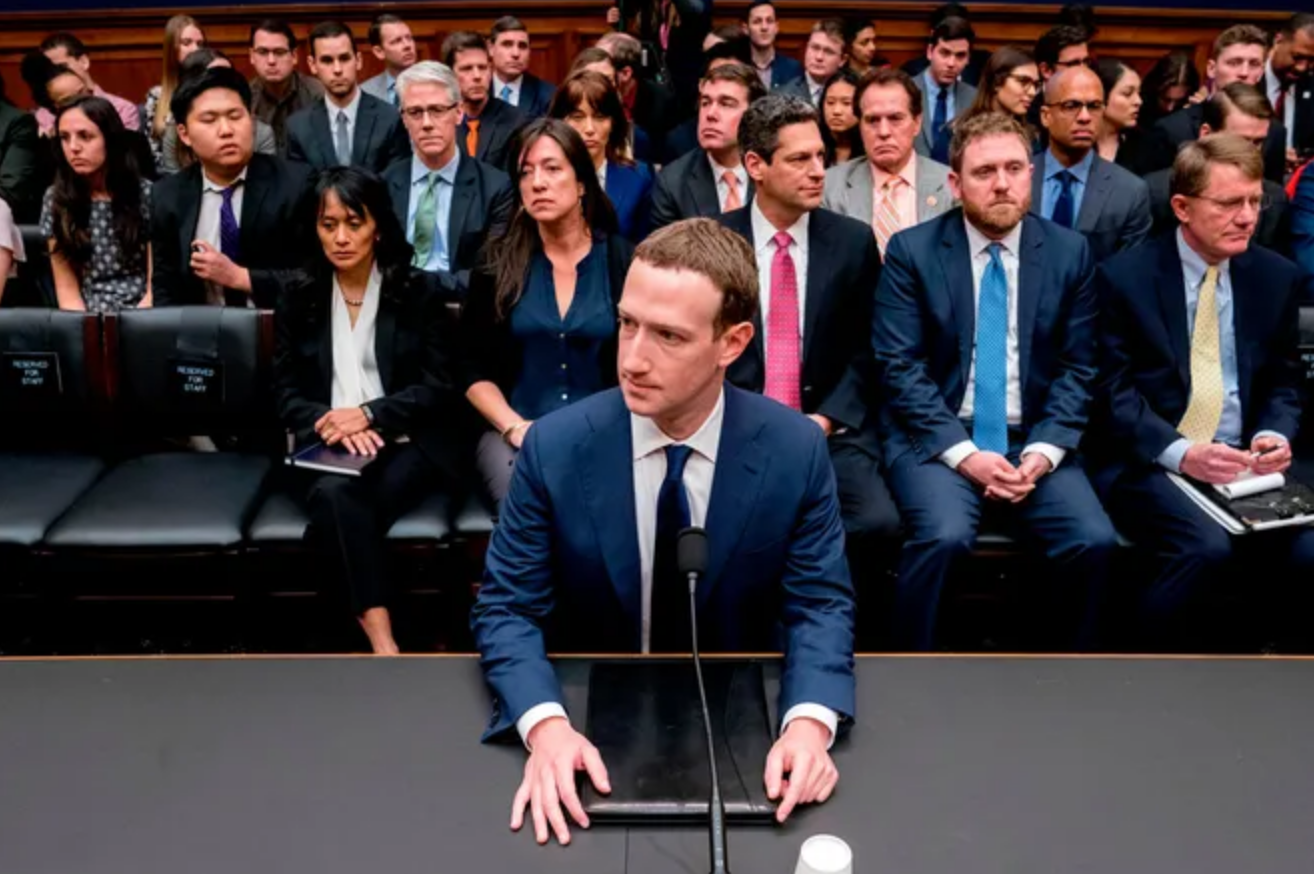
Read MoreIn The Daily Beat, Sarah Miller writes about Facebook as a monopoly whose business model is surveillance and manipulation of users and how regulation alone won’t change that.
Read MoreIn the Washington Monthly, Phil Longman explores how to solve the cost crisis simply by making Medicare prices universal.
Read MoreIf FTC commissioners truly are serious about making Facebook serve the interests of the American public, here is a set of actions they should take
Read MoreLina Khan published an op-ed in the New York Times explaining how the Ohio v. American Express Supreme Court case could shield tech corporations like Amazon, Google, and Facebook from antitrust scrutiny.
Read MoreTim Wu, Open Markets advisory board member, writes in the New York Times about how an emphasis on consumer convenience can foster monopoly and homogeneity.
Read MoreKevin Carty published an article in the New York Post explaining how big tech's monopolistic rule is hiding in plain sight.
Read More